





Resources
- Home
- Resources
- Fertility Resources
- What Is The Normal AMH Level? A Clear Guide to Fertility and Ovarian Reserve
What Is The Normal AMH Level? A Clear Guide to Fertility and Ovarian Reserve
Share
Discover what AMH (Anti-Müllerian Hormone) is, how and when it is tested, and the normal AMH ranges by age. Understand what low or high AMH levels mean for ovarian reserve, fertility potential, and reproductive planning. The article also covers how to address abnormal AMH levels, including lifestyle adjustments, supplements, Traditional Chinese Medicine, and reproductive options such as IVF, egg freezing, and egg donation, along with a real success story from a Hong Kong couple.

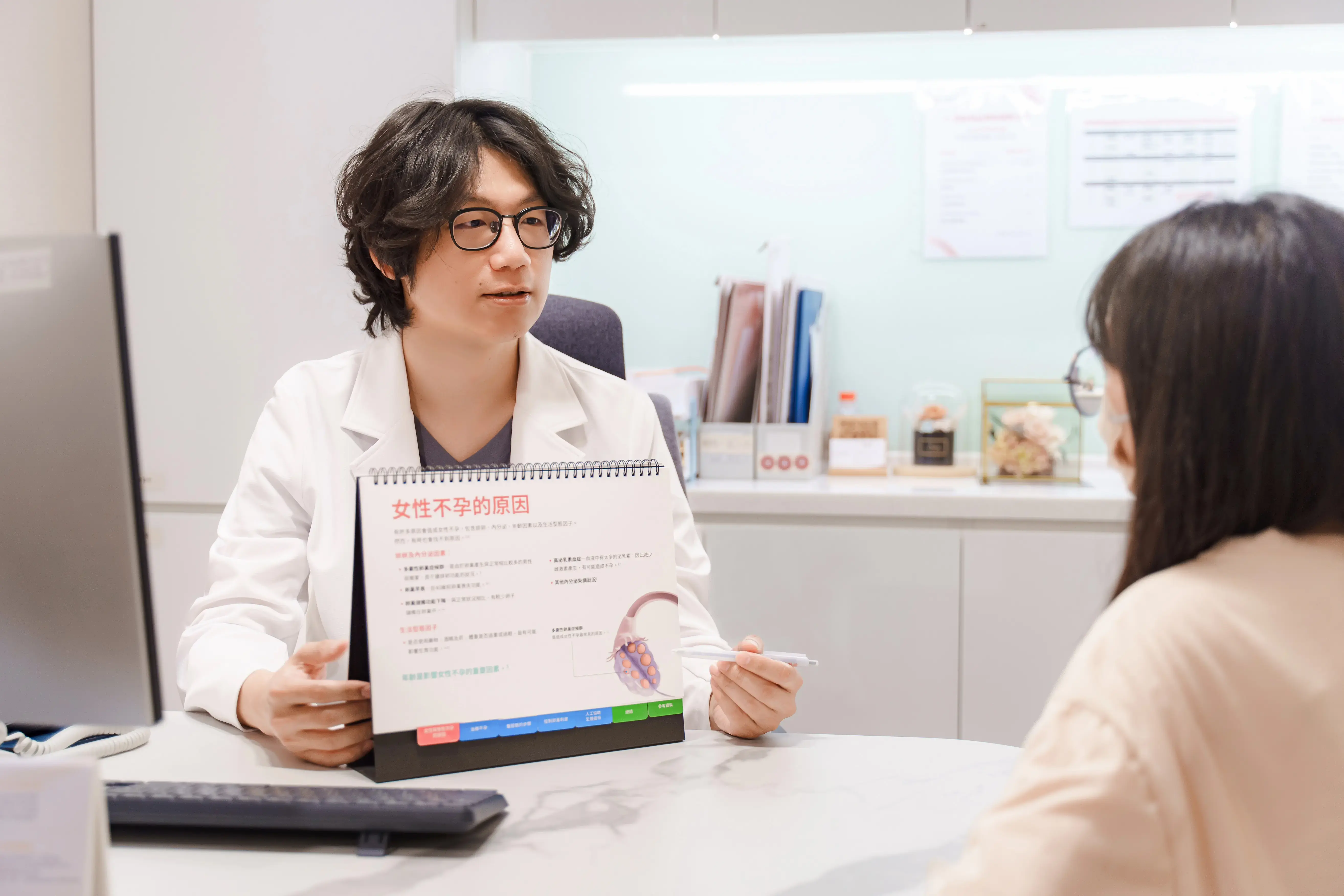
AMH (Anti-Müllerian Hormone) is an important marker for assessing ovarian reserve and can help women understand their fertility potential. For those who are planning to conceive or considering egg freezing, knowing the standard AMH range and its influencing factors can support more informed reproductive decisions. This article will provide an in-depth explanation of normal AMH levels and how testing can help monitor ovarian health.
What Is AMH (Anti-Müllerian Hormone)?
AMH is a hormone secreted by the granulosa cells of small follicles in a woman’s ovaries. Its levels reflect the number of small follicles in the ovaries, making it an important indicator of ovarian reserve and fertility potential. In general, higher AMH levels indicate a larger egg supply, while lower levels may be associated with diminished ovarian function.
When Should AMH Be Tested?
Unlike other hormones such as follicle-stimulating hormone (FSH), luteinizing hormone (LH), or estradiol (E2), AMH is not affected by the menstrual cycle. This means it can be measured at any time, and its levels remain relatively stable, providing a reliable reflection of ovarian function.
Standard AMH Range
As women age, the number of eggs in the ovaries gradually declines, and AMH levels decrease accordingly. AMH is commonly measured in ng/mL or pmol/L, with the following conversion between the two units:
📌 1 ng/mL = 7.14 pmol/L
The following are common reference ranges for AMH at different age groups (expressed in ng/mL and pmol/L):
| Age Range | ± 30 Years | Above 35 Years | Above 40 Years |
| Standard Range (ng/mL) | 2.0~5.0 ng/mL | Less than 2.0 ng/mL | Less than 1.0 ng/mL |
| Standard Range (pmol/L) | 14.3 ~ 35.7 pmol/L | Less than 14.3 pmol/L | Less than 7.14 pmol/L |
High AMH: This may be associated with polycystic ovary syndrome (PCOS). Although the number of eggs is higher, ovulation may be irregular, which can affect natural conception.
Low AMH: This may indicate diminished ovarian function, meaning a reduced egg supply, which could impact the chances of pregnancy.
How Is AMH Tested?
AMH testing is a non-invasive procedure that can be done with a simple blood test. Since AMH levels are not affected by the menstrual cycle, the test can be performed at any time. At NUWA Fertility Center, results are available within 90 minutes, followed by a consultation with a doctor to discuss and plan a personalized fertility strategy.
Who Should Consider AMH Testing?
Doctors recommend regular AMH testing for the following groups to assess ovarian function and fertility potential:
- Women who want to understand their ovarian reserve
- Those planning a future pregnancy and wish to evaluate fertility potential in advance
- Women experiencing infertility or of advanced maternal age
- Individuals preparing for assisted reproductive treatments, such as intrauterine insemination (IUI) or in vitro fertilization (IVF)
Other Reproductive Hormones
- FSH (Follicle-Stimulating Hormone): Primarily stimulates follicle development during the early menstrual phase (follicular phase). Elevated baseline FSH may indicate diminished ovarian function.
- E2 (Estradiol): Rises during follicle development and is commonly used to assess ovarian response in assisted reproductive treatments.
👉 Further Reading:
How to Regulate and Balance Abnormal AMH Levels: A Complete Guide for Fertility Planning
AMH (Anti-Müllerian Hormone) is an important marker for assessing a woman’s ovarian reserve. When AMH levels are abnormal, it may impact fertility planning. Low AMH can indicate a reduced egg supply, while high AMH may be associated with polycystic ovary syndrome (PCOS). So, how can AMH levels be managed to improve fertility chances?
How to Regulate Low AMH Levels
Low AMH levels indicate a reduced number of available eggs in the ovaries. The following approaches may help improve ovarian health and support fertility:
1. Lifestyle Adjustments
- Maintain a regular sleep schedule and avoid late nights to ensure good sleep quality.
- Engage in moderate exercise to promote blood circulation and hormonal balance.
- Avoid smoking, alcohol, and excessive caffeine to reduce negative effects on the ovaries.
2. Nutritional Supplements
- DHEA (Dehydroepiandrosterone): May help enhance ovarian function.
- Coenzyme Q10: Acts as an antioxidant and may improve egg quality.
- Vitamin D3: Supports hormone regulation and ovarian health.
- Folic Acid: Assists with cell division and DNA synthesis, supporting fertility.
3. Traditional Chinese Medicine (TCM) Support
- Consult a professional TCM practitioner for personalized treatment, such as qi and blood tonification or improving circulation, to support ovarian function.
4. Reproductive Medicine Options
- Egg freezing or in vitro fertilization (IVF) can be considered as part of a fertility plan.
👉 Further Reading:
Does low AMH mean you have no chance of becoming a mother? Not necessarily — many women with low AMH can still conceive naturally or with fertility treatments. For those who face more challenges, egg donation is a reliable alternative. Discover Taiwan’s legal egg donation process and inspiring success stories:
How to Regulate High AMH Levels: Is It Related to PCOS?
When AMH levels are high, it’s important to first assess whether polycystic ovary syndrome (PCOS) is present. Women with PCOS often have more follicles, which can lead to elevated AMH levels. The following approaches may help regulate AMH and support fertility:
1. Lifestyle Adjustments
- Maintain a healthy, balanced diet; the Mediterranean diet is a recommended option.
- Manage body weight and avoid obesity to help stabilize hormone levels.
- Exercise regularly, aiming for at least 3 sessions per week, 30 minutes each.
2. Nutritional Supplements
- Supplements such as myo-inositol, Coenzyme Q10, DHEA, vitamin D3, vitamin C, vitamin E, and folic acid can support ovarian health and improve egg quality. Always consult a professional doctor before starting any supplements.
3. Traditional Chinese Medicine (TCM) Support
- Consult a professional TCM practitioner for personalized treatment to regulate hormones, adjust the menstrual cycle, and support ovulation.
4. Medical Assistance
- For irregular menstruation, medication can help restore a normal cycle.
- If planning pregnancy, ovulation-inducing medications may improve ovulation and increase the chances of natural conception.
PCOS and Abnormal AMH? Integrative Medicine Helps a Hong Kong Couple Achieve Their Dream
Xiaoxin and her husband, both from Hong Kong, had struggled with fertility due to her high AMH levels, polycystic ovary syndrome (PCOS), and her husband’s poor sperm quality. Despite undergoing two rounds of IVF locally, including egg retrieval and embryo transfer, they were unsuccessful. Ultimately, they chose NUWA Fertility Center in Taiwan, where an integrative approach combining Western and Traditional Chinese Medicine (TCM) helped regulate their bodies, alongside IVF treatment, resulting in the arrival of their long-awaited baby boy.
High AMH and Menstrual Cycle Regulation Through TCM
Xiaoxin initially sought treatment at NUWA’s TCM clinic due to irregular menstrual cycles (once every 2–3 months) and high AMH levels. Dr. Li Xiangping diagnosed her with a “Liver Qi Stagnation with Heart Fire” pattern, while her husband, experiencing low sperm motility due to work stress, was diagnosed with a “Qi and Yin Deficiency with Damp-Heat” pattern. Through weekly acupuncture sessions and herbal treatments, Xiaoxin’s menstrual cycle gradually shortened to 40 days, and her husband’s sperm morphology improved from 3% to 8%, with significant enhancement in overall sperm quality.
Integrative Chinese and Western Treatment Leads to IVF Success and a Healthy Baby
The IVF results were impressive: Xiaoxin successfully retrieved 17 eggs, cultivating 6 Day-5 (D5) blastocysts, 4 of which were top-quality 4AA embryos—showing remarkable improvement compared to her previous attempts. She underwent embryo transfer in Taiwan and became pregnant. During early pregnancy, Xiaoxin experienced elevated D-dimer levels, abdominal discomfort, and spotting, which were carefully managed with TCM by Dr. Li to stabilize the pregnancy through the first trimester. In the end, Xiaoxin gave birth to a healthy baby boy, bringing joy and fulfillment to the family.
Author Information
NUWA Fertility Center – Reproductive Specialist Clinic
NUWA Fertility Center brings together leading infertility experts and an experienced IVF clinical team. With three high-standard reproductive centers, two Chinese medicine clinics, and three international-level embryology labs across Taipei, Taoyuan, and Taichung, we provide comprehensive reproductive services, supporting every family on their journey to parenthood.
Main Services: Infertility treatment, IVF, artificial insemination, egg freezing, egg donation, and reproductive consultations.
NUWA Fertility Center combines professional expertise with compassionate care to help every family achieve their dream of parenthood.