





Resources
- Home
- Resources


NUWA Healthcare Education and Resources
Search
NUWA Healthcare Education and Resources
Fertility Resources
Low AMH and IVF: Can You Still Get Pregnant?
What Is AMH and Why Is It Important?AMH (anti-Mullerian hormone) is representative of your ovarian reserve. It reflects the quantity of eggs left in your body. This test is important to let us know how many eggs are left in your body and how urgent it is for you to freeze your eggs or become pregnant soon.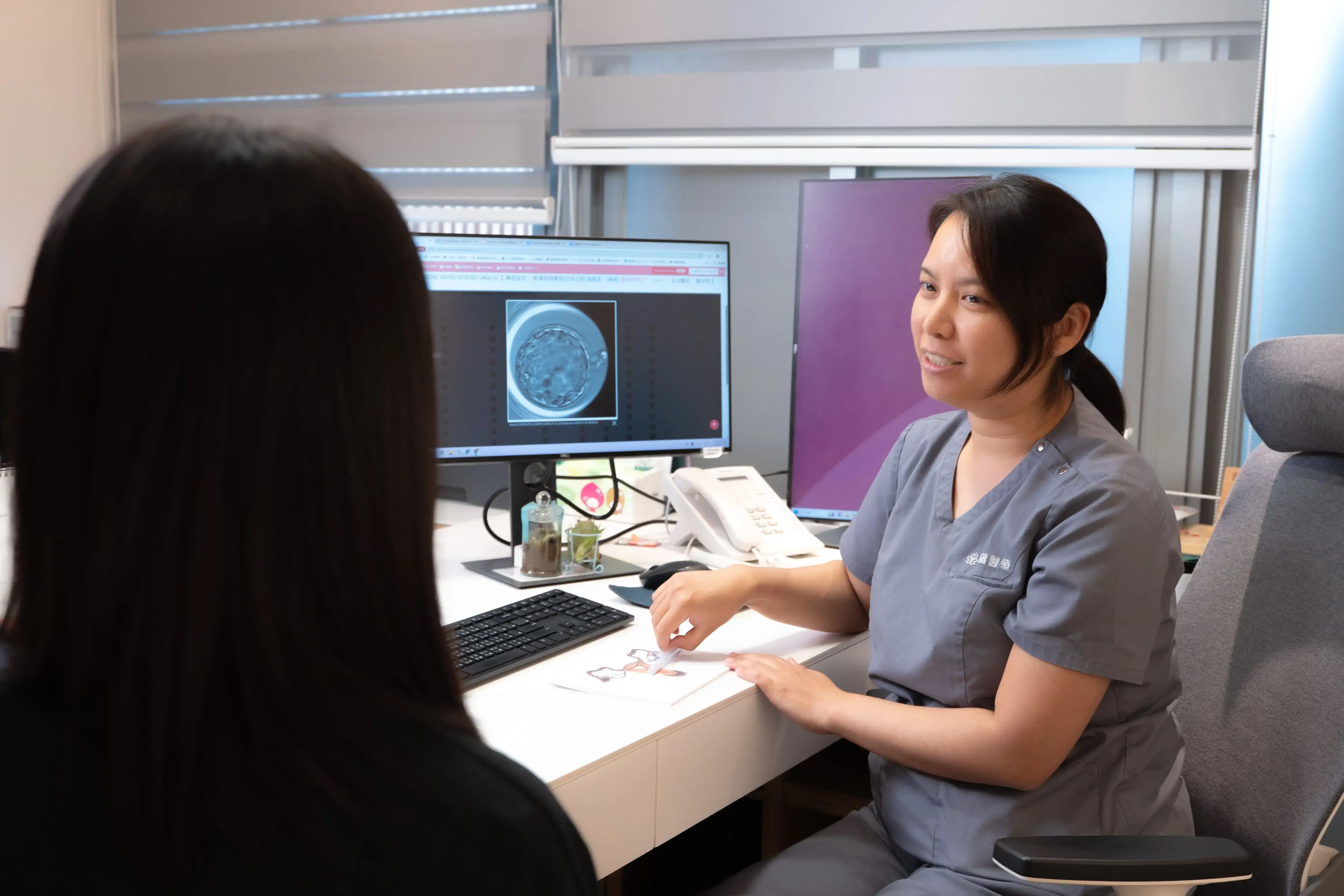
What Is Considered a Low AMH Level?
When your AMH reaches 0, it means you have no eggs left in your body and you have most likely reached menopause.So if your AMH is around 1ng/ml, it is more urgent and you may have fewer eggs left in your body. You will need to begin considering your desire for future children and your family planning options.Can You Do IVF with Low AMH?
Yes, with a low AMH you can still undergo IVF, but depending on your age and AMH level, the results will vary. Due to the lesser number of eggs able to be retrieved, patients may need to be prepared to undergo more than one IVF cycle before finding a good quality embryo viable for transfer.IVF Success Rates with Low AMH
IVF success rates are influenced by both AMH levels and age, but age plays a particularly critical role.- Younger patients (<35 years old):
Even with fewer eggs, egg quality is often better, which can still result in favorable IVF outcomes.- Older patients (>35 years old):
Both egg quantity and quality tend to decline, making it more challenging to obtain viable embryos and achieve pregnancy.It is important to emphasize that low AMH does not equal poor egg quality—egg quality is primarily determined by age.
How to Improve IVF Outcomes with Low AMH
Low AMH can be caused by several factors, including age, prior ovarian surgery, chemotherapy or radiotherapy, endometriosis, or unknown reasons.Since women are born with a fixed number of eggs that gradually decline over time, treatment strategies focus on optimizing outcomes rather than increasing egg quantity.In clinical practice, we may recommend:- Individualized ovarian stimulation protocols
- Nutritional supplements, such as DHEA or CoQ10, to support egg quality
- Adjunct therapies, including Traditional Chinese Medicine (TCM), depending on patient condition
Each treatment plan should be personalized based on age, AMH level, and medical history.When Should You See a Fertility Specialist?
You should consider consulting a fertility specialist if:- You have been trying to conceive for
6 months (for patients aged >36)12 months (for patients aged <36)- You would like to evaluate your fertility proactively for future planning
- Low AMH (<1 ng/ml)
Early consultation allows for timely intervention and more reproductive options.
Real Case: IVF Success with Low AMH
Case 1: Successful Pregnancy with Low AMH at Age 38
Mrs.C was 38 years old before she finally decided she was ready to have kids. But by this time her AMH levels were 0.5 ng/ml. During her first stimulation cycle, only two eggs were retrieved and luckily both were fertilized and on Day 3 the embryos were transferred. Fortunately, one embryo had implanted successfully and she was able to give birth to a beautiful baby girl later that year.Case 2: IVF Breakthrough After Multiple Failures and Extremely Low AMH
Mrs.N was 40 years old when she first came to our clinic, her AMH was 0.013 ng/ml and she had already gone through EIGHT IVF cycles. She was able to transfer twice but unfortunately one had no implantation and one miscarried during the early weeks of pregnancy. She did not want to give up her chance of becoming a mother, but when she first came she practically had no egg follicles visible.After a year of careful follow-up with minimal stimulation medication and traditional Chinese medicine, there were no eggs able to be retrieved and she decided to finally apply for donor eggs. Perhaps she was under less stress knowing her donor eggs option or the new acupuncture she did at TCM was taking effect, but she suddenly began having 1-2 follicles appear during her new menstrual cycles.In three IVF cycles, we were able to retrieve 1-3 eggs each time and create a total of 6 embryos available for transfer! After her first transfer, she gave birth to a beautiful baby girl.Frequently Asked Questions About Low AMH and IVF
Q:Can you get pregnant naturally with low AMH?
Yes, you can still become pregnant naturally with a low AMH but it may be more difficult depending on your age and further evaluation would be recommended.Q:Is low AMH a sign of early menopause?
A low AMH does not mean you are already menopausal, but does indicate that you might reach menopause before the usual average age of 50 years old.Q:Does low AMH mean poor egg quality?
No, AMH is representative of the quantity of eggs left in your body. Egg quality depends on your age.Q:Should I freeze eggs if I have low AMH?
If you have a low AMH and depending on your age, you may need to discuss with your fertility specialist about your future family planning before deciding whether or not egg freezing is necessary.Low AMH Does Not Mean No Chance
A low AMH level can feel discouraging, but it does not mean that pregnancy is impossible. With timely evaluation, personalized IVF strategies, and appropriate medical support, many patients are still able to achieve successful outcomes.If you are concerned about your AMH level, seeking professional guidance early can make a meaningful difference in your fertility journey.AuthorNUWA Fertility CenterSpecialty Areas:Infertility ,Egg freezing/Embryo Freezing/Sperm Freezing, IVF, IUI, Hysteroscopy, Ovarian Failure, Polycystic Ovary Syndrome (PCOS), Endometriosis, Recurrent Miscarriage.2026.05.06
Fertility Resources
Egg Donation IVF Abroad for US Patients | A Guide for Taiwan
For many intended parents in the United States, egg donation IVF abroad has become an increasingly practical solution. In the US, a donor egg IVF cycle can cost between US$25,000 and US$50,000 per cycle, often excluding medications, repeated embryo transfers, and time away from work. As a result, more patients are wondering whether pursuing treatment abroad could offer better value and efficiency.For the right patient, the answer is often yes. Countries such as Taiwan, Spain, Greece, and the Czech Republic have become leading destinations for egg donation IVF abroad, offering a combination of lower costs, shorter wait times, and well-established treatment programs. Among them, Taiwan stands out for its strong laboratory performance, transparent legal framework, and efficient treatment process. This guide explains what US patients should know before choosing egg donation IVF abroad and why Taiwan is increasingly considered a top destination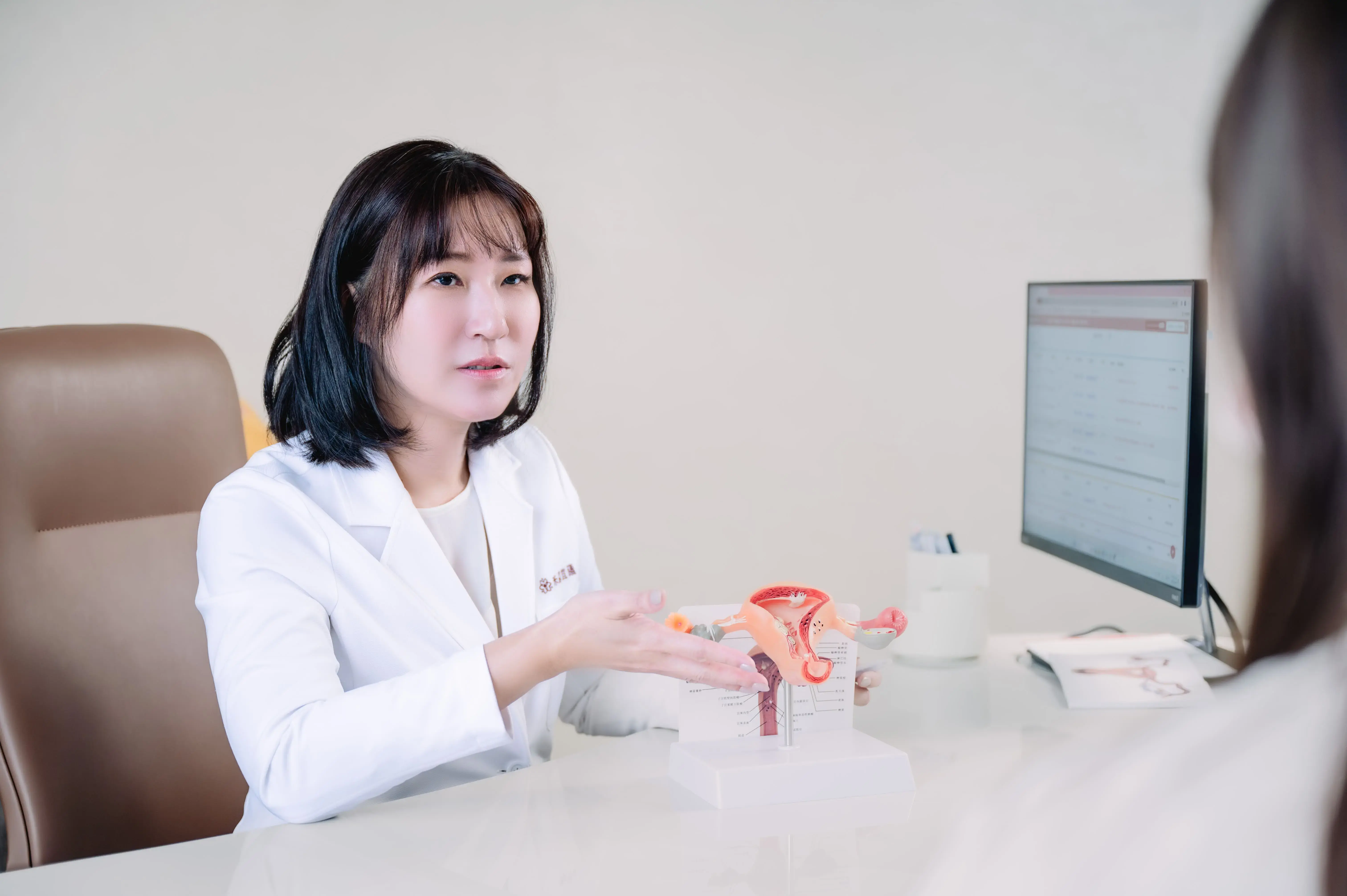
Why Do Patients Travel Abroad for Egg Donation IVF?
The cost remains the biggest driver
One of the most important reasons patients consider egg donation IVF abroad is the significant difference in cost. In the United States, a donor egg IVF cycle includes multiple components such as clinic fees, donor compensation, medications, laboratory work, embryo culture, embryo freezing, and transfer-related costs. These expenses often reach US$25,000–50,000 or more. In contrast, treatment in Taiwan is typically around US$18,150–20,050, making it a far more cost-effective option even after travel expenses are included.Legal access and regulatory clarity
Legal restrictions on donor egg IVF vary widely by country. In some regions, access is limited or poorly regulated, creating uncertainty for international patients. Taiwan offers a clear legal structure under the Assisted Reproduction Act, along with government oversight of fertility clinics. This level of transparency provides reassurance and reduces risk during treatment.Strong success rates and laboratory quality
Patients are increasingly focused on success rates rather than cost alone. Laboratory quality, embryo culture systems, and cryopreservation technology all play a key role in outcomes. Taiwan has gained global attention for its IVF performance, with an embryo implantation rate of approximately 36.7%, close to the US at 37.5%, and live birth rates that are similarly competitive.More efficient and flexible treatment planning
Modern egg donation IVF abroad is far more streamlined than many patients expect. At clinics with established international programs, consultations, treatment planning, and monitoring can often be completed remotely. In Taiwan, many patients can finish treatment with just two short visits, avoiding the need for extended stays overseas.Cost Comparison: Egg Donation IVF in the US vs Abroad
When evaluating egg donation IVF abroad, it is important to consider total value rather than cost alone. While the US remains one of the most expensive options, countries like Taiwan and several European destinations offer significantly lower pricing without compromising medical quality.Typical donor egg IVF costs
Location Typical Donor Egg IVF Cost Notes United States
US$25,000–50,000+ Often includes donor compensation, agency coordination, IVF lab fees, and transfer-related costs
Taiwan
US$18,150–20,050+ Strong value for patients seeking advanced IVF care with clearer cost efficiency Spain US$16,000–20,000+ Popular European destination with mature donor egg programs Greece US$6,000 – $8,000+ Often selected for affordability within Europe Czech Republic US$5,000 – $7,500+ Common budget-oriented option in Europe Although some countries may appear cheaper at first glance, factors such as repeated travel, longer waiting times, or less efficient coordination can increase overall costs. For many patients, choosing a well-organized program with strong laboratory support ultimately leads to better outcomes and a more predictable experience.Best Countries for Egg Donation IVF Abroad
There is no single best destination for egg donation IVF abroad, as the right choice depends on individual priorities such as budget, legal eligibility, donor preferences, and travel considerations.Taiwan: high success rates and strong regulation
Taiwan is widely recognized for its combination of high success rates, strong regulatory oversight, and efficient treatment pathways. With over 100 licensed ART institutions and globally competitive IVF outcomes, it offers a highly reliable environment for international patients.Spain, Greece, and the Czech Republic: established European options
Spain remains a leading destination in Europe due to its long-established donor egg programs and experience in treating international patients. Greece is often chosen for its balance between accessibility and affordability, although clinic quality can vary and requires careful evaluation. The Czech Republic is known for its competitive pricing and is frequently selected by cost-conscious patients, but transparency and laboratory standards should also be carefully reviewed.Taiwan as a rising global fertility hub
Taiwan deserves particular attention, as its fertility sector has advanced rapidly over the past decade. With increasing international demand and strong clinical outcomes, it offers a rare combination of high-quality care and cost efficiency for US patients.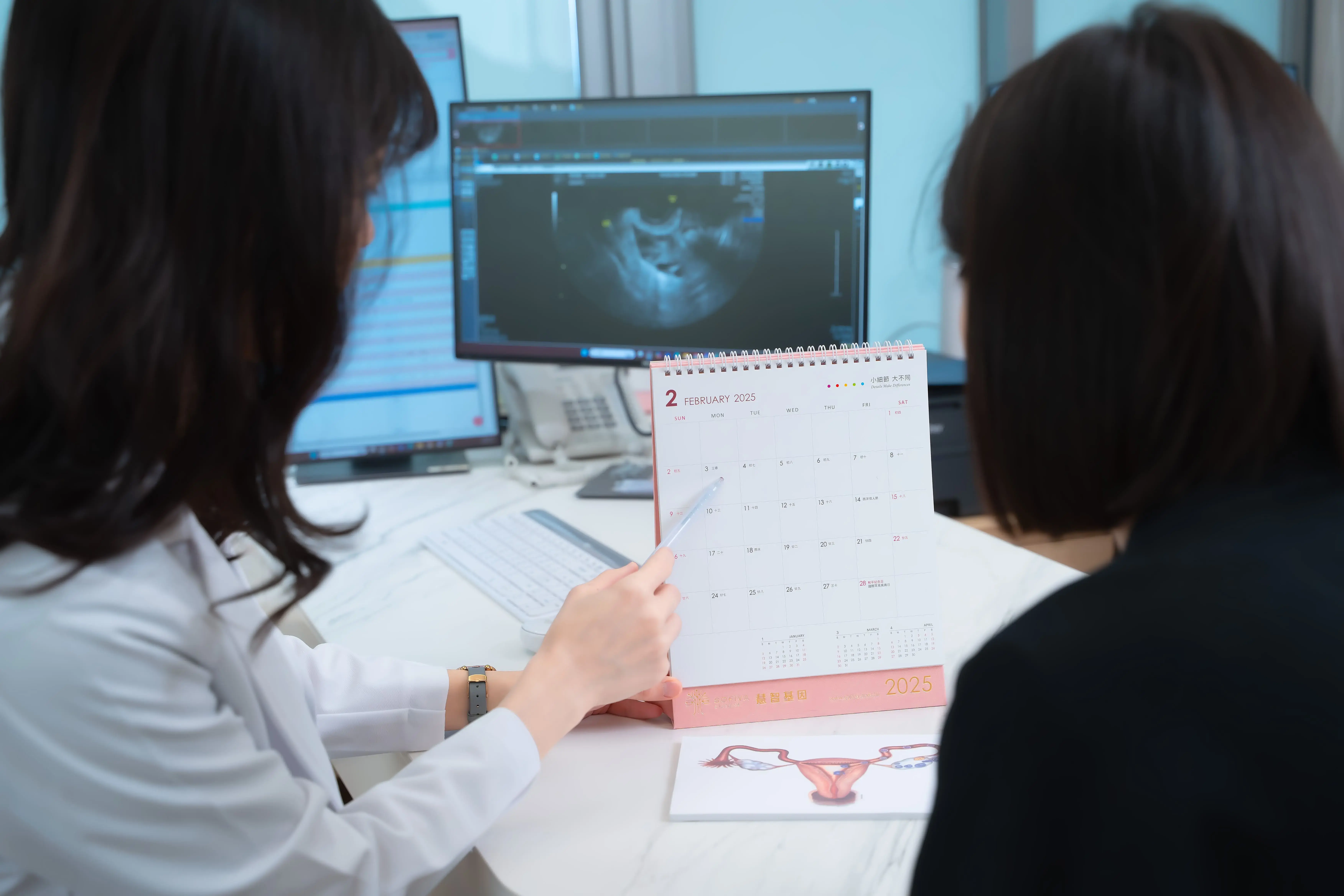
How Long Does IVF Abroad Take with Donor Eggs?
A common misconception about egg donation IVF abroad is that it requires a long stay overseas. In reality, the process is often much shorter and more structured.At NUWA Fertility Center, international patients can typically complete treatment within 2 to 3 months, with only two short visits required. The process begins with an online consultation and document preparation, followed by a brief first visit for testing and sperm freezing. After donor matching and government approval, embryos are created and prepared for transfer. Patients can complete uterine preparation in their home country before returning for a short second visit for embryo transfer.After the procedure, follow-up testing and early pregnancy care can usually be done locally. This efficient approach allows patients to undergo egg donation IVF abroad without significantly disrupting their daily routines.How to Choose a Clinic for Donor Eggs IVF Abroad
Transparency in success rates
Choosing the right clinic is one of the most critical decisions in egg donation IVF abroad. Patients should prioritize clinics that are transparent about success rates, including implantation, pregnancy, and live birth rates, and that clearly explain how these outcomes are measured. This transparency helps patients make informed comparisons.Legal clarity and laboratory quality
Legal clarity is another essential factor. Patients should confirm that donor egg IVF is permitted under their circumstances and that the country has a well-regulated system. Laboratory capability should also be carefully evaluated, as embryology quality directly impacts success rates.International support, timelines, and cost transparency
In addition, clinics should offer structured international support, including remote coordination, timely communication, and English-speaking staff. A clear and realistic timeline is important, as some clinics may underestimate the actual duration of treatment. Finally, full cost transparency ensures that patients understand what is included and can avoid unexpected expenses later in the process.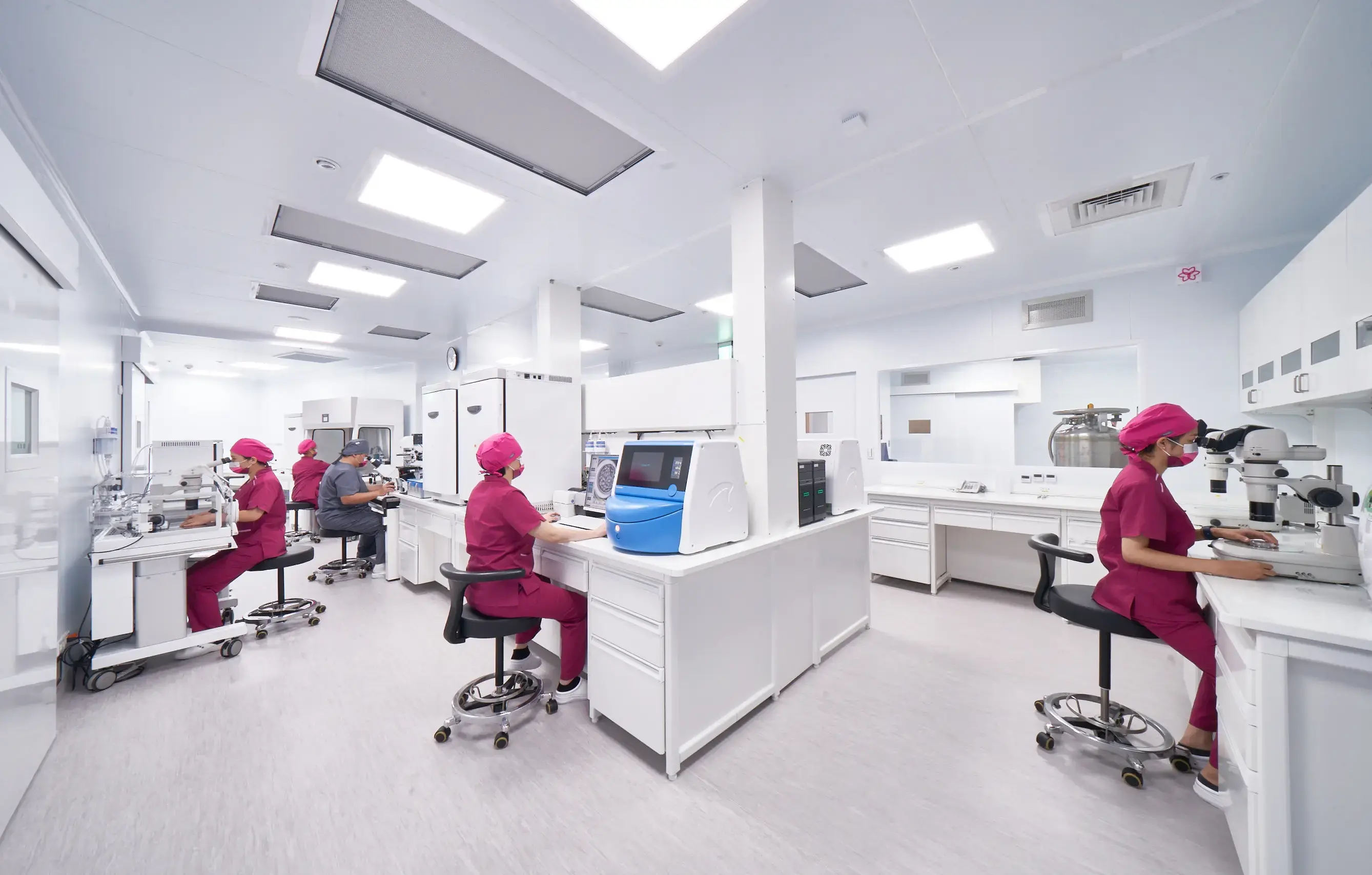
NUWA: Your #1 Choice for Egg Donation IVF Abroad
For patients considering egg donation IVF abroad, Taiwan—and particularly NUWA Fertility Center—offers a strong combination of medical quality, efficiency, and affordability.Advanced reproductive medicine and international patient pathways
Taiwan’s reproductive medicine is globally competitive, with implantation rates ranking among the highest worldwide. NUWA has developed a comprehensive treatment pathway tailored to international patients, combining remote consultations, efficient donor matching, and minimal travel requirements.Advanced technology, strong outcomes, and a highly regulated system
The fertility center integrates advanced IVF technology, including time-lapse embryo culture and high embryo survival rates, with practical conveniences such as English-speaking coordinators and flexible communication tools. NUWA also reports strong outcomes in donor egg IVF, supported by both national data and internal performance indicators.Even more so, NUWA operates within Taiwan’s highly structured healthcare system, where regulation, data transparency, and medical specialization work together to provide a reliable and reassuring treatment experience for overseas patients.
50-Year-Old Successful Egg Donation IVF Abroad Story: Japan to Taiwan
A long journey after years of IVF failure
A couple from Japan began their fertility journey at age 44 after multiple unsuccessful IVF cycles in Japan. After six years of treatment without success, they decided, at age 50, to travel to Taiwan for egg donation IVF at NUWA Fertility Center, hoping to achieve their dream of having a baby through donor eggs.Careful preparation and cross-border coordination
Before treatment, uterine evaluations in Japan revealed signs of endometritis. Antibiotic treatment was completed first to improve the uterine environment and support implantation. During the preparation cycle, a possible unexpected ovulation was detected, so the embryo transfer was safely postponed to optimize conditions.Successful embryo transfer and pregnancy
After protocol adjustments, the embryo transfer was completed in December. A few weeks later, the couple received the joyful news of a positive pregnancy test. This case highlights how careful timing, medical coordination, and individualized care can improve outcomes in egg donation IVF abroad.Frequently Asked Questions About Egg Donation IVF Abroad
Is egg donation IVF abroad safe for international patients?
Yes, egg donation IVF abroad can be very safe for international patients when performed at reputable clinics in countries with clear regulations.Key factors that determine safety include:- Strict government regulation of fertility treatments
- Experienced reproductive specialists and advanced embryology labs
- Transparent medical protocols and screening processes
Countries like Taiwan are known for maintaining high medical standards and strong legal oversight, making egg donation IVF abroad a safe and reliable option.Which countries are best for egg donation IVF abroad?
The best countries for egg donation IVF abroad depend on factors such as cost, success rates, legal regulations, and treatment efficiency.Common top destinations include:- Taiwan – High success rates, strong regulation, and efficient treatment timelines
- Spain – Established donor egg programs and international patient experience
- Greece – Lower-cost options within Europe, with variable clinic quality
- Czech Republic – Budget-friendly option for cost-conscious patients
While some countries may offer lower upfront costs, total value should also include travel frequency, waiting time, and clinical efficiency.What is the cost of egg donation IVF abroad compared to the US?
The cost of egg donation IVF abroad is often significantly lower than in the United States while maintaining high medical standards.In general:- The US has some of the highest IVF costs globally
- Many countries offer more affordable egg donation IVF abroad options
- Patients can often save a substantial percentage on total treatment costs
This cost advantage is a major reason why many patients explore treatment abroad.What is the process of egg donation IVF abroad step by step?
The process of egg donation IVF abroad follows a structured approach and can often be completed within 2 to 3 months with minimal travel.A typical process includes:- Initial online consultation and medical evaluation
- First short visit for testing and sperm collection or freezing
- Donor selection and matching
- Government approval (in regulated countries)
- Fertilization and embryo development
- Endometrial preparation in the patient’s home country
- Second short visit for embryo transfer
- Pregnancy testing and follow-up care locally
Most steps can be coordinated remotely, and patients usually only need two short trips.How many trips are needed for egg donation IVF abroad?
Most patients undergoing egg donation IVF abroad typically need only two short trips.These usually include:- One visit for initial testing or preparation
- One visit for embryo transfer
Many parts of the process can be completed remotely, making treatment more convenient than expected.Can US patients monitor locally during egg donation IVF abroad?
Yes, US patients can complete most monitoring locally while undergoing egg donation IVF abroad.|This typically includes:- Blood tests (hormone levels)
- Transvaginal ultrasound examinations
Results can be shared digitally with the overseas clinic, allowing doctors to guide treatment remotely.Who is a good candidate for egg donation IVF abroad?
Egg donation IVF abroad is a suitable option for patients who may not succeed with standard IVF or face limitations in their home country.Common candidates include:- Women with low ovarian reserve or premature ovarian insufficiency
- Patients with recurrent IVF failure
- Individuals seeking shorter wait times for egg donors
- Patients looking for more affordable treatment options
The best choice depends on individual medical, legal, and personal factors, and should be discussed with a fertility specialist.Why choose Taiwan for egg donation IVF abroad?
Taiwan has become a leading destination for egg donation IVF abroad due to its balance of success rates, affordability, and safety.Key advantages include:- High IVF success rates supported by advanced laboratory technology
- More affordable costs compared to the United States
- Well-regulated egg donation programs with legal protection
- Efficient coordination for international patients
This combination makes Taiwan an increasingly attractive option for international patients.Final Thoughts
For US patients, egg donation IVF abroad is no longer a niche option but a practical and increasingly mainstream pathway. While countries such as Spain, Greece, and the Czech Republic remain important choices, Taiwan stands out for its balance of medical excellence, efficiency, legal clarity, and affordability.At NUWA Fertility Center, we believe patients deserve not only lower costs but also a clear process, strong medical support, and a team that understands the complexity of the fertility journey. For those exploring egg donation IVF abroad, Taiwan may offer not just a better option—but a better overall experience.
AuthorNUWA Fertility Center
Specialty Areas:- Recurrent pregnancy loss, fertility consultation, and infertility diagnosis & treatment (IVF, IUI), egg freezing, and egg donation
- Genetic counseling and preimplantation genetic testing/diagnosis (PGT-A / PGT-M)
- Endometriosis, hysteroscopic surgery, and ovarian cyst aspiration procedures
2026.04.24
Fertility Resources
Advanced Maternal Age: Definition, Pregnancy Risks After 35 & Fertility Guide
Advanced maternal age refers to pregnancy at age 35 or older. Fertility declines due to reduced egg quality and ovarian reserve, increasing risks of miscarriage, chromosomal abnormalities, and pregnancy complications. In Singapore and globally, early fertility assessment and IVF treatment can help improve pregnancy outcomes, allowing many women to achieve successful pregnancies.
What Is Advanced Maternal Age?
Definition of Pregnancy at Age 35 and Above
Advanced maternal age is medically defined as pregnancy at age 35 or older, according to obstetric guidelines such as ACOG. This classification is based on evidence showing a gradual decline in fertility and increased pregnancy risks with age.Why Fertility Declines After 35
Fertility declines mainly due to reduced ovarian reserve and lower egg quality, which increases the risk of unsuccessful conception and chromosomal abnormalities.
Pregnancy Risks of Advanced Maternal Age in Singapore
Miscarriage and Chromosomal Abnormalities
Women aged 35 and above have a higher risk of miscarriage and fetal chromosomal abnormalities due to age-related egg changes.Gestational Diabetes and Hypertension
Advanced maternal age increases the risk of gestational diabetes and hypertensive disorders during pregnancy.Preterm Birth and Low Birth Weight
Pregnancies after 35 have a higher likelihood of preterm birth and low birth weight.Fertility Decline After Age 35
Egg Quality and Ovarian Reserve ReductionEgg quality and ovarian reserve decline with age, reducing natural conception rates.Natural Conception vs IVF Success Rates
IVF can significantly improve pregnancy chances for women experiencing age-related fertility decline.Fertility Treatment Options After 35 (Singapore Guide)
IVF Treatment and Embryo Transfer
IVF is often recommended when natural conception becomes difficult, especially for women over the age of 35 experiencing age-related fertility decline.In Singapore, women over 35 are typically advised to seek early fertility assessment if pregnancy does not occur after several months of trying. Fertility clinics evaluate ovarian reserve, egg quality, and overall reproductive health to determine the most suitable treatment plan. Depending on individual conditions, options may include ovulation tracking, IVF treatment, or other assisted reproductive technologies.Egg Freezing and Fertility Preservation
Egg freezing allows women to preserve younger, healthier eggs for future use, especially for those who plan to delay pregnancy due to personal or medical reasons.In Singapore, egg freezing has become an increasingly popular fertility preservation option, allowing women to take proactive control of their reproductive timeline.Recurrent IVF Failure and Fertility Clinics Support
Causes of Implantation Failure
Repeated implantation failure may be caused by embryo quality, uterine environment, or genetic factors.International Fertility Treatment and IVF Abroad Options
Why Patients Seek IVF Abroad
Some patients seek IVF abroad for access to broader fertility options and advanced reproductive technologies.
Advanced Maternal Age: Frequently Asked Questions
Q1: What is advanced maternal age?
Pregnancy at age 35 or older is considered advanced maternal age.Q2: Can women over 35 still get pregnant naturally?
Yes, but fertility declines with age, and time to conception may be longer.Q3: Do I need IVF after 35?
IVF is recommended only when natural conception is difficult or medically indicated.Q4: Why does pregnancy risk increase after 35?
Because egg quality declines and chromosomal abnormalities become more common.Medical & Pregnancy Care FAQs
Q5: Do women of advanced maternal age need amniocentesis and chromosomal testing?
Prenatal chromosomal screening is recommended for pregnancies at advanced maternal age. Options include NIPT, first-trimester screening, amniocentesis, and chromosomal microarray testing. In Taiwan, subsidies may be available for eligible individuals to reduce the cost of genetic testing. Patients are advised to discuss risks and benefits with their physician before deciding on invasive procedures.Q6: Can women of advanced maternal age have a vaginal delivery?
If both mother and baby are healthy, vaginal delivery is still possible. However, delivery planning should consider maternal age, pregnancy complications, and fetal condition.Q7: What are the chances of pregnancy for older women, and is assisted reproduction necessary?
Fertility declines with age, especially after 35 and more significantly after 37. Assisted reproductive technologies such as IVF may improve pregnancy chances depending on individual fertility status.Q8: At what age does fertility decline the most?
Fertility declines significantly after age 35 and more rapidly after age 37.Advanced Maternal Age Case Studies|Overcoming Reproductive Risks Through Integrated Eastern and Western Medicine
Many women preparing for pregnancy at an advanced maternal age encounter significant challenges along their fertility journey, often leading to both physical and emotional exhaustion. However, hope is far from lost. Through its unique integrated Eastern and Western medicine approach, NUWA tailors personalized treatment plans for women of advanced maternal age and has successfully helped countless families achieve their dream of parenthood.Below, we share two real-life case studies that demonstrate how NUWA has overcome the challenges of advanced maternal age and helped patients welcome new life.Case 1: Successful IVF Pregnancy at Age 35
Xiao-Qi, a woman over the age of 35, turned to NUWA Fertility Center after experiencing multiple failed IVF cycles at other fertility centers. Her physical condition was complex, including poor circulation, gastrointestinal discomfort, cold extremities combined with internal heat, and overall imbalance—factors that significantly reduced the likelihood of IVF success.NUWA Fertility Center and NUWA Traditional Chinese Medicine Center team designed a personalized treatment plan that combined traditional Chinese medicine (TCM)—including herbal medicine, acupuncture, and umbilical moxibustion—with advanced Western reproductive technologies.After three months of integrated TCM conditioning, Xiao-Qi’s health improved exponentially. Her menstrual cycle stabilized, and during IVF treatment, nine embryos were successfully cryopreserved, two of which passed genetic testing. Despite experiencing discomfort after egg retrieval and abnormal indicators in early pregnancy, the integrated Eastern–Western medical team responded promptly to manage these issues. Ultimately, Xiao-Qi achieved pregnancy with a single embryo transfer.NUWA Healthcare’s integrated treatment model not only delivers strong clinical results for women of advanced maternal age, but also provides emotional reassurance and support during a highly stressful journey. For couples facing age-related fertility challenges, this approach offers a trusted and effective option.Case 2: One-Time IVF Success at Age 44
A 44-year-old woman previously underwent IVF treatment at another fertility center, where her AMH level was 0.72 ng/mL. Eight eggs were retrieved, resulting in one Day-3 embryo; however, the transfer did not lead to pregnancy. After a period of rest and recovery, she and her husband decided to try again and sought a more suitable treatment plan at NUWA Fertility Taichung.Before initiating treatment, the NUWA Fertility team conducted an in-depth consultation, discussing strategies such as egg or embryo accumulation, embryo culture duration, and the choice between fresh or frozen embryo transfer. Taking into account her age and ovarian function, the team developed a plan that balanced success rates with overall treatment burden.After two treatment cycles, a total of nine eggs were retrieved. Two weeks following embryo transfer, pregnancy was confirmed, and subsequent follow-up revealed successful blastocyst implantation.This case—achieving pregnancy at age 44 through donor-egg IVF in a single attempt—highlights the importance of patient perseverance combined with a highly experienced medical team. It also demonstrates how precise, individualized treatment strategies can significantly improve pregnancy outcomes.Why Choose NUWA for Advanced Maternal Age IVF
While pregnancy at an advanced maternal age carries inherent risks, regular prenatal care, healthy lifestyle habits, and professional medical support can greatly enhance the chances of success. NUWA is committed to providing high-quality reproductive care and comprehensive support, ensuring that expectant mothers receive thorough and attentive medical guidance throughout their journey.If you are feeling uncertain about your fertility planning, NUWA is a trusted partner you can rely on. With our professional integrated Eastern and Western medicine team, we create personalized treatment plans designed to help you realize your dream of parenthood.
Author's InformationNUWA Fertility CenterWith many infertility experts and more than 10,000 doctors with successful IVF experience, the company has 5 clinics, including 3 high-specification IVF reproduction centers, 2 TCM centers, and 3 international embryo laboratories, which are located in Taipei, Taoyuan, and Taichung.Main Services: Infertility treatment, IVF, artificial insemination, egg freezing, egg borrowing, and pregnancy preparation.👉Learn more about NUWA Healthcare2026.04.24
Fertility Resources
IVF Over 40: Success Rates in the U.S. and Taiwan
With the increasing trend of delayed marriage and childbearing, more women in the U.S. are exploring IVF options after 40. Although the chances of natural conception decline with age, pregnancy is still possible with proper fertility support.Medical studies show that women under 30 have a 25–30% chance of conceiving naturally each cycle, while after 40, the chance drops to less than 5%. Therefore, many women in the U.S. turn to IVF to improve their chances, and some even consider undergoing IVF in Taiwan to access higher success rates.
Can Women Over 40 Still Get Pregnant with IVF? Is IVF worth it after 40?
Even though natural conception rates decline sharply after 40, pregnancy still remains possible. Studies indicate:- Under 30: 25–30% chance per cycle
- Age 35: 10–15% chance
- Over 40: <5% chance
This explains why many women over 40 are considering IVF to increase their chances of conception.How Age Affects Fertility After 40
Declining Egg QuantityWomen are born with a fixed number of eggs. After 40, ovarian reserve decreases, reducing the number of viable eggs available.
Declining Egg QualityAging increases chromosomal abnormalities in eggs, raising the risk of embryo development issues and miscarriage. Statistics show miscarriage rates:- Age 30: ~10%
- Over 40: Up to 35%
Additionally, pregnancies at advanced maternal age may have higher risks of gestational hypertension, gestational diabetes, and preeclampsia, which can further impact live birth rates.IVF Success Rate Over 40|U.S. and Overseas Options
For women over 40, natural conception rates are low, so early IVF intervention is often recommended. However, IVF success also declines with age. According to Taiwan Ministry of Health reproductive statistics (2023):- Under 35: Live birth rate 43.1%
- Age 40–42: Live birth rate 21.6%
- Age 43+: Live birth rate 8.8%
Women of advanced age often require multiple egg retrieval cycles to obtain healthy embryos. Preimplantation genetic screening (PGS / PGT-A) is recommended to select chromosomally normal embryos, improving success rates and reducing miscarriage risk.
If ovarian function is low or multiple IVF failures occur, egg donation may be considered. Donor eggs are usually from women under 35 years old, providing high-quality eggs. Even older recipients can achieve pregnancy rates close to those of younger women. In Taiwan, donor egg IVF shows an average live birth rate near 50%: 58.9% for fresh embryo transfers and 39.3% for frozen transfers.How to Improve IVF Success for Women Over 40
While IVF for women over 40 is challenging, lifestyle adjustments and advanced medical technology can increase success rates:
Lifestyle & Nutrition- Mediterranean diet for balanced nutrition
- Supplements: DHEA, Vitamin D3, folic acid, CoQ10
- Regular exercise and sleep
- Stress management and positive mindset
Precision Reproductive Strategies- PGS/PGT-A to select chromosomally normal embryos
- Personalized ovarian stimulation, including mild stimulation protocols
- High-quality embryo culture with AI-assisted selection
Why Women from the U.S. Choose IVF in Taiwan
NUWA Fertility Center has extensive experience in advanced-age IVF and provides tailored strategies and advanced technologies:- Integrated Western & Chinese Medicine: Optimize reproductive health and endometrial environment
- AI Smart Embryo Imaging: 24-hour time-lapse monitoring to select embryos with the highest implantation potential
- PGT-A : Experienced embryologists perform embryo biopsy to select chromosomally normal embryos, reducing miscarriage risk
- Customized Egg Retrieval Cycle: Adjust stimulation protocols based on ovarian reserve, accumulate eggs for advanced-age patients
- One-Stop Testing: AMH, hysteroscopy, semen analysis, immune evaluation; results often available the same day
- Egg Bank Resources: Latest vitrification techniques ensure high-quality donor eggs are available, reducing wait times
- Specialized Care for Advanced-Age & Complex Infertility: Handle recurrent IVF failures, with successful pregnancies even after 40
IVF Over 40 FAQs
Q1:Can you be on Wegovy while doing IVF?
No. You should stop Wegovy (semaglutide) at least 2 months before starting an IVF cycle or embryo transfer. While it helps with weight loss, its safety during pregnancy is not yet established, so doctors generally recommend stopping the medication in advance to prioritize the safety and development of the pregnancy.Q2:How many rounds of IVF are needed for a 40 year old?
Typically 2 to 4 rounds are needed when using your own eggs, due to the higher chance of the embryos developing chromosomal issues. However, using PGT-A screening or egg donation can significantly reduce the number of cycles required to achieve pregnancy.Q3: Can you do IVF if you have HPV?
Yes. HPV infection generally does not affect IVF success rates or embryo implantation. However, since HPV is considered a risk factor for cervical cancer, annual Pap smear screenings and follow-up examinations are recommended.NUWA Fertility Center|Professional Choice for Advanced Age IVF
NUWA Fertility Center provides full IVF planning for U.S. and international patients. Implementing integrative medicine, AI embryo monitoring, and PGT-A, NUWA ensures precise embryo selection and improves live birth rates while reducing miscarriage risk. Customized egg retrieval and one-stop testing provides efficient treatment planning for women with advanced age.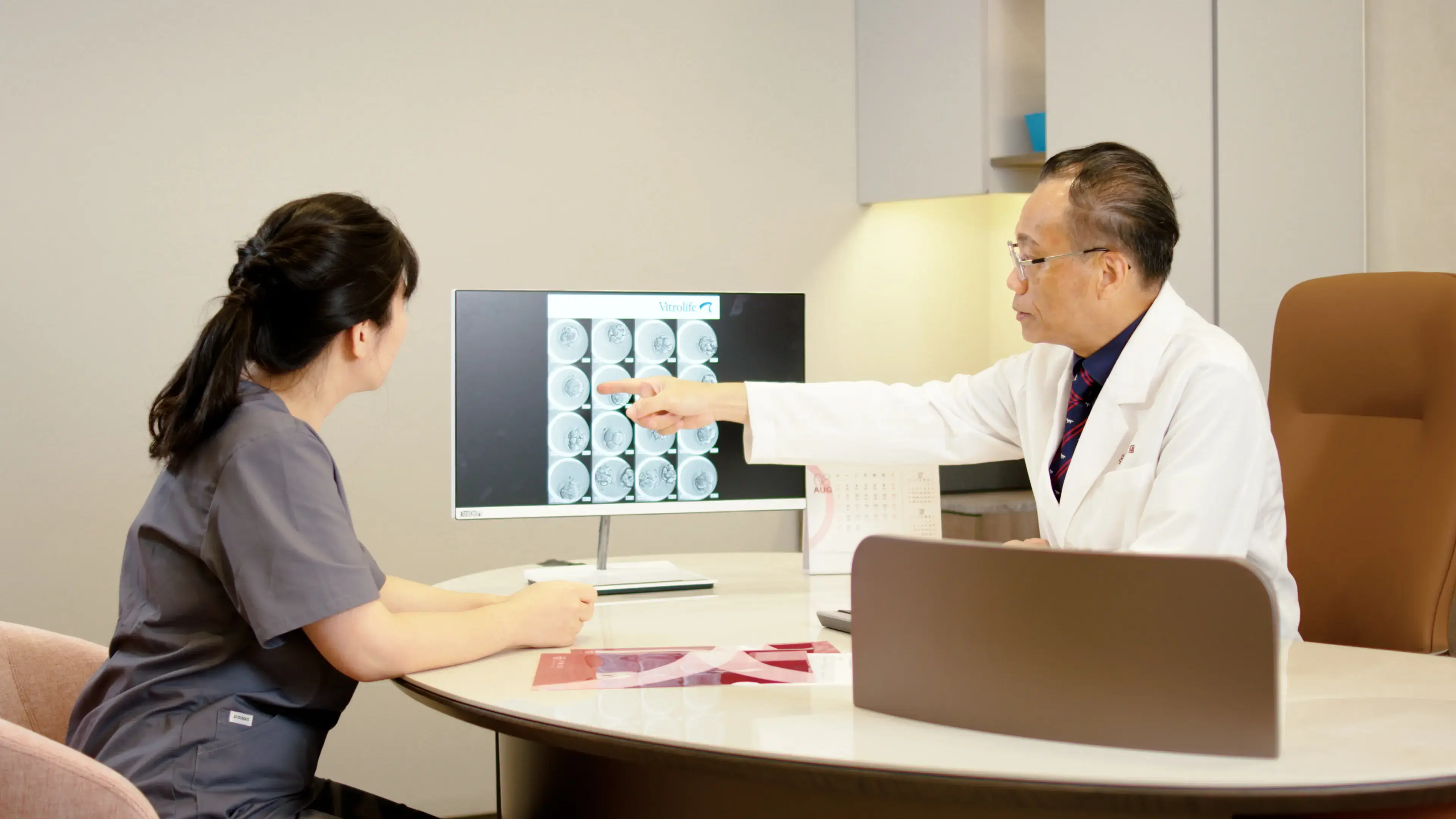
Real Success Stories
PGS Success at Age 43
Ms. Lin, 43, had two failed IVF cycles and one IUI attempt elsewhere. At NUWA Taichung, Dr. Wu Cheng-Hsuan retrieved 10 eggs, producing 3 blastocysts. PGT-A screening selected one chromosomally normal embryo, which was successfully implanted, resulting in a healthy pregnancy and delivery.Donor Egg Success at Age 44
A 44-year-old patient underwent over 10 IVF cycles previously with repeated failures. Using a high-quality donor egg at NUWA, a single embryo transfer led to a successful pregnancy and healthy baby, fulfilling her long-awaited dream of parenthood.👉 Egg Donation: Easier Than You Think!
Pregnancy after 40 is challenging but not impossible. With certain lifestyle changes, precise medical strategies, PGS screening, and professional medical support, women who want to pursue parenthood at a later age can still welcome new life. Early consultation with a specialized fertility center is recommended to maximize success.AuthorSpecialties: IVF, IUI, egg freezing, infertility evaluation & treatment, recurrent miscarriage, PCOS, endometriosis, preimplantation genetic testing, hysteroscopy2026.04.13
Fertility Resources
Asia IVF Suggest: Why Taiwan Is a Top IVF Choice for U.S. Patients
In recent years, a growing number of American patients have started exploring IVF treatment in Asia as an alternative to undergoing fertility treatment in the United States. Rising medical costs, limited insurance coverage, and long waiting times have pushed many families to consider IVF abroad.The IVF cost in the US vs Asia can differ significantly. In the United States, a single IVF cycle often costs between USD $15,000 – $30,000+ and many insurance plans do not fully cover fertility treatment depending on state law. In addition to financial pressure, some patients also face long waiting periods before starting treatment.As a result, more couples are searching online for Asia IVF suggestions, hoping to find countries that offer advanced medical technology, transparent pricing, and reliable fertility care.
Among the many destinations in Asia, Taiwan has increasingly become one of the most recommended options for American patients seeking IVF treatment abroad.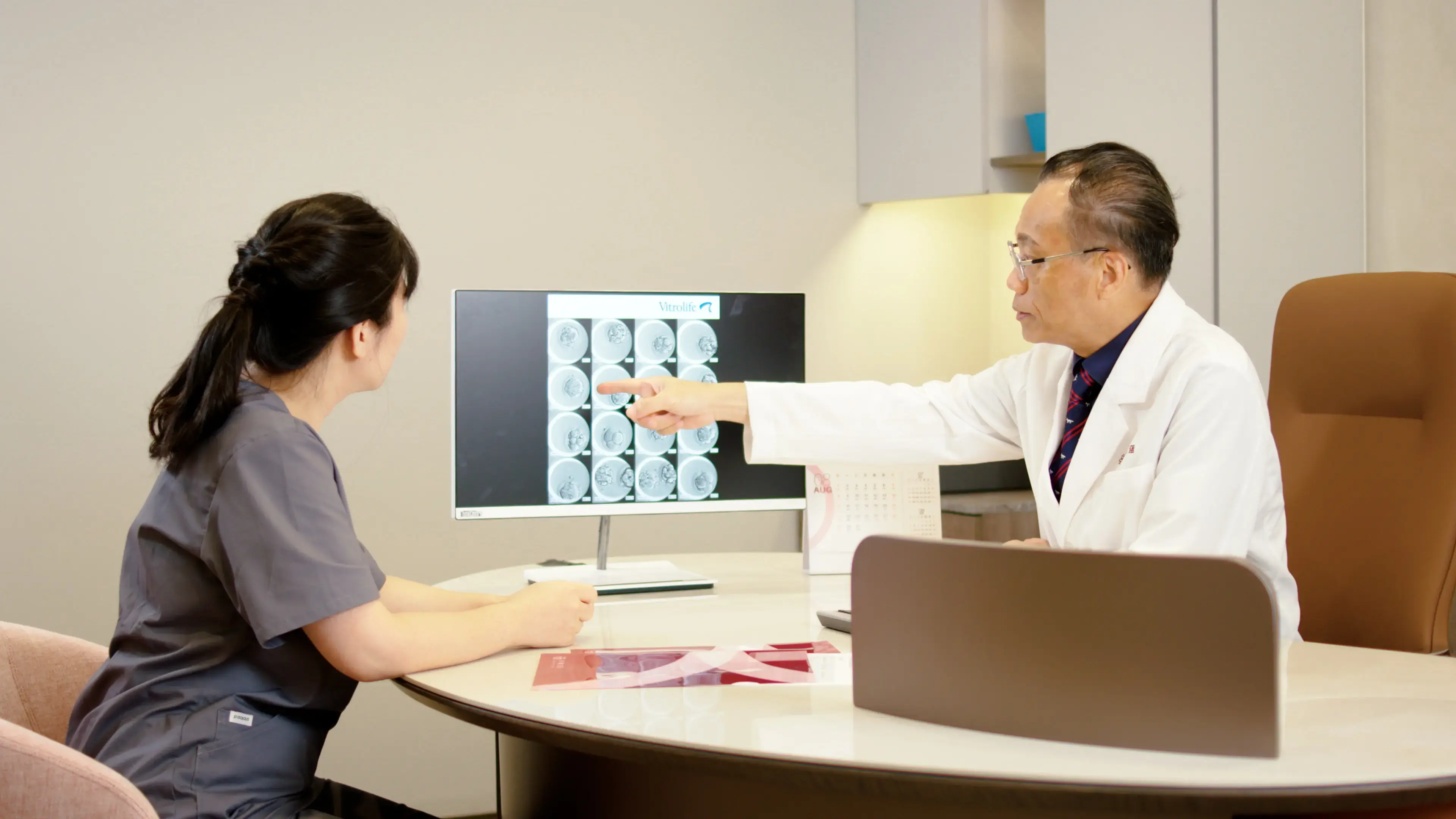 Why U.S. Patients Search “Asia IVF Suggestions”
Patients searching for Asia IVF suggestions typically want:- Lower IVF cost compared to that of the U.S.’
- Higher or comparable success rates
- Advanced reproductive technology
- Shorter waiting time
- Transparent medical systems
Asia IVF Comparison: Taiwan vs Japan, Thailand, and South Korea
Several Asian countries are known for their fertility treatment services. When researching Asia IVF options, many patients compare destinations such as Taiwan, Japan, Thailand, and South Korea.IVF in Japan
Japan is widely recognized for its advanced medical technology and meticulous clinical standards. Fertility clinics in Japan are highly regulated, and laboratory procedures are performed with great precision.However, IVF treatment in Japan can be relatively expensive compared to other Asian countries. Additionally, language barriers may exist for international patients, as English communication and dedicated international services are not always widely available. Waiting times for treatment can also be longer in some clinics.IVF in Thailand
Thailand has long been known as a destination for medical tourism, and IVF treatment there can be relatively affordable.While the pricing can be attractive, international patients should be aware that fertility regulations and policies have undergone changes in recent years, especially regarding eligibility and treatment options for foreign patients. Therefore, it is important to carefully review legal requirements before planning IVF treatment in Thailand.IVF in South Korea
South Korea is another country known for its high-quality healthcare system and advanced reproductive medicine technology.Fertility clinics in South Korea often provide modern facilities and skilled medical professionals. However, for international patients, language support and administrative procedures may still present some challenges. Navigating treatment plans and documentation may require additional assistance.IVF in Taiwan
Taiwan is increasingly recommended in Asia IVF suggestion searches due to its balance of cost, safety, and success rates.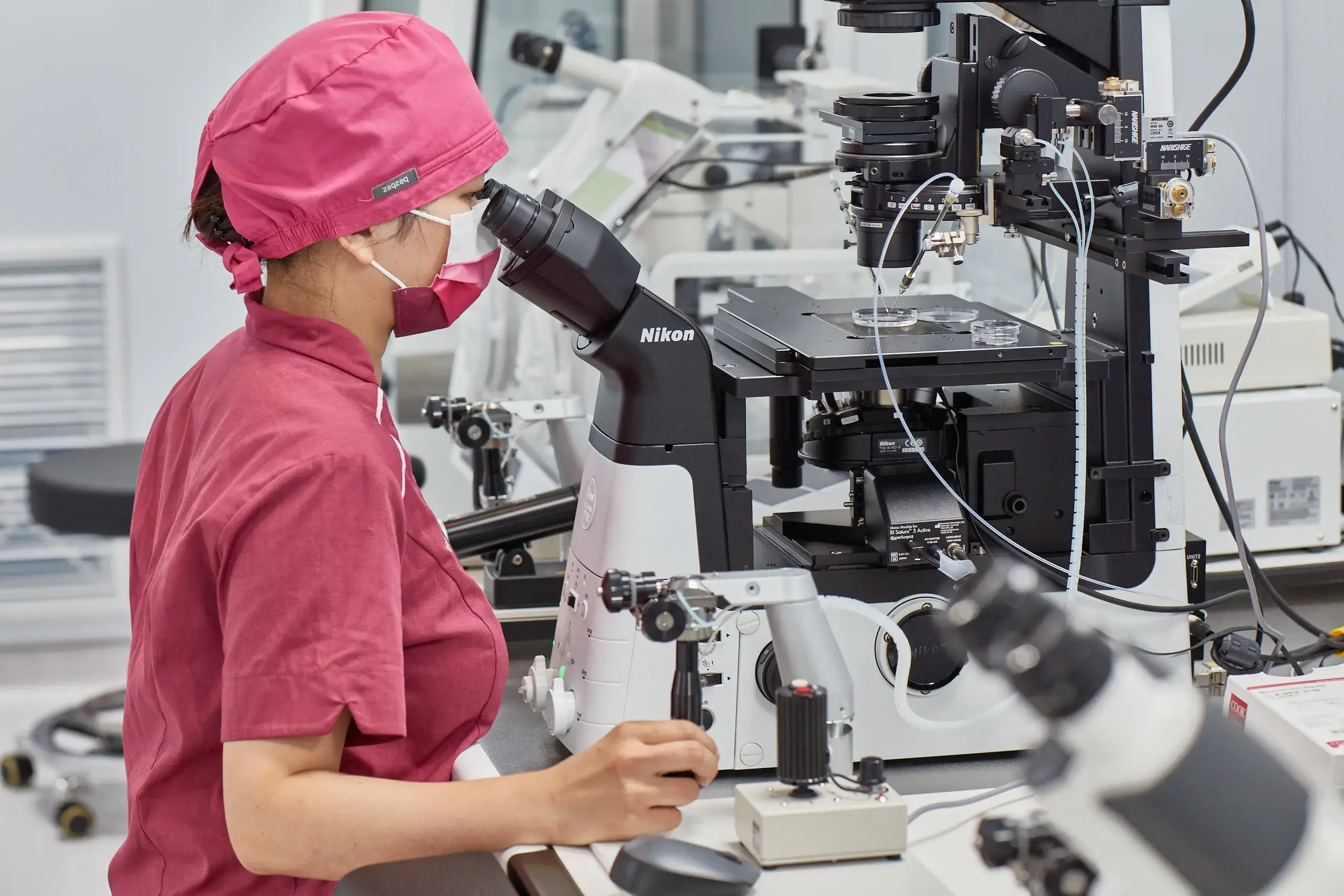
Why Taiwan Is a Top Recommendation in Asia IVF Suggest Searches
When patients search online for Asia IVF suggestions, Taiwan is increasingly listed among the top recommendations. The country combines advanced medical technology, transparent pricing, and a well-established healthcare system, making it particularly attractive for international patients.Taiwan is widely recognized for its excellence in reproductive medicine, ranking among the top in Asia. One of its greatest advantages in IVF treatment is its strong implantation rates, which are comparable to leading countries such as the United States—while the cost is often only about one-third of the United States’.In addition, Taiwan demonstrates a high level of acceptance toward global trends in reproductive medicine. Technologies such as preimplantation genetic testing (PGS/PGT-A) and AI-assisted embryo selection are actively adopted and continuously refined, ensuring that clinical practices remain aligned with international standards.Several factors contribute to Taiwan’s growing reputation as a leading IVF destination.World-Class IVF Success Rates and Medical Technology
Taiwan’s fertility clinics are equipped with world-class laboratory technology and advanced embryo culture systems, comparable to those used in leading fertility centers in the United States and Europe.Embryologists in Taiwan are highly trained, and many clinics follow international standards for embryo culture, genetic testing, and laboratory quality control. This commitment to scientific precision contributes to strong IVF success rates and reliable treatment outcomes.Transparent and Affordable IVF Costs for US Patients
One of the most significant reasons American patients consider IVF in Taiwan is the cost advantage.While IVF in the United States often costs USD $15,000 to $30,000+ per cycle, IVF treatment in Taiwan typically ranges between USD $5,000 and $10,000+ per cycle, depending on the treatment plan and medications required.This means patients may pay roughly one-third of the cost compared to the US, while still receiving high-quality medical care.Another important factor is cost transparency. Taiwanese fertility clinics often provide clear treatment plans and pricing structures, which helps patients avoid unexpected medical expenses—something many international patients value greatly.Clear Legal Framework and Ethical IVF
Taiwan also offers a well-defined legal framework for assisted reproductive technology.The country has established regulations governing fertility treatment, embryo handling, and patient safety. These regulations ensure that IVF procedures are conducted in a safe, ethical, and medically responsible manner.For many American patients considering IVF abroad, the presence of clear and stable legal regulations provides an additional level of reassurance.English-Friendly Care and International Patient Support
Many fertility clinics in Taiwan provide English-speaking medical teams and dedicated international patient services.Doctors, nurses, and coordinators are often experienced in working with overseas patients, helping them navigate consultations, treatment planning, and travel arrangements.Some clinics also offer online consultations or telemedicine services, allowing patients to discuss their medical history and treatment options before traveling to Taiwan. This makes it easier for international patients to plan their IVF journey efficiently.In addition, NUWA Fertility Center also offers excellent accessibility within Taiwan. With multiple locations in Taipei, Taoyuan, and Taichung, all conveniently situated near major public transportation hubs, patients can minimize travel fatigue and avoid the added stress of long-distance commuting or jet lag during treatment.Most importantly, choosing the right fertility center is crucial. One of the greatest concerns in assisted reproductive treatment is the risk of gamete or embryo mismatch—whether during sperm–egg fertilization or embryo transfer—which can lead to irreversible consequences. Fertility clinics in Taiwan are generally known for their extensive experience and strict laboratory management standards, with NUWA Fertility Center recognized as one of the leading institutions in ensuring safety, precision, and quality of care.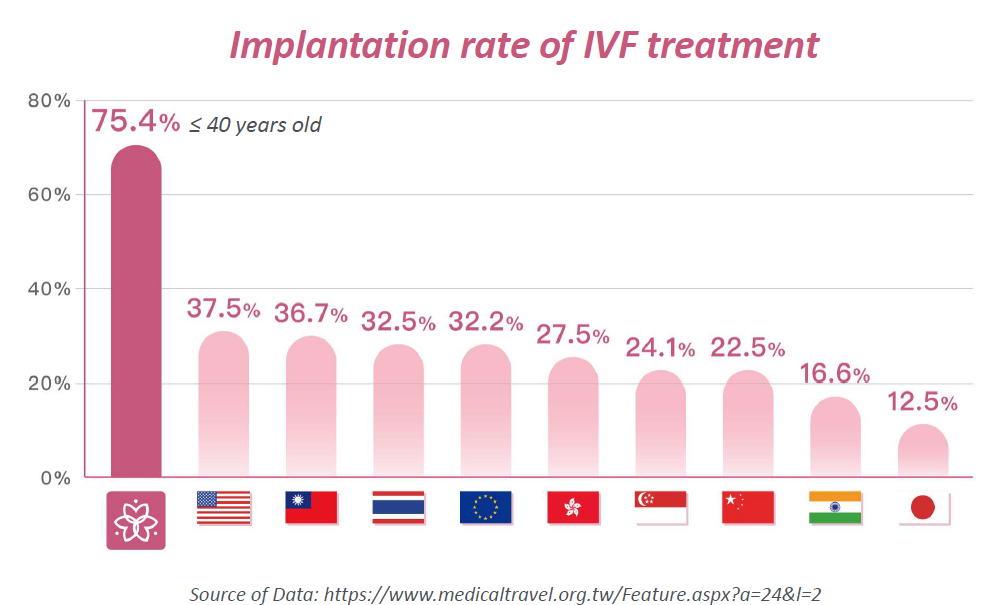
What U.S. Patients Look for in Asia IVF Recommendations
When researching IVF treatment in Asia, American patients often prioritize several key factors. Understanding these concerns can help patients identify clinics that best meet their needs.Key considerations include:- High Success rates
Patients want reliable data and evidence-based treatment approaches. Specifically, leading institutions like in NUWA Fertility Center have achieved an implantation rate of 75.4% for patients (under 40 years old), significantly outperforming the averages in the US (37.5%), Thailand (32.5%), and Europe (32.2%).- Safety and medical ethics
A clear regulatory system and responsible clinical practices are essential.- Language and communication
The ability to communicate effectively with doctors and staff is crucial for international patients.- Travel convenience
Accessible flight routes, modern infrastructure, and safe travel conditions are important factors.- Post-treatment follow-up
Patients value clinics that provide guidance even after they return home.These considerations play a major role in why Taiwan is increasingly recognized in Asia IVF recommendation searches.When searching for Asia IVF suggestions, Taiwan stands out as a leading destination for fertility care. With high success rates, affordable costs, and advanced medical technology, Taiwan offers an ideal balance of quality and value.High Success Rates
Taiwan ranks among the top globally for IVF success, with one of the highest embryo implantation rates in the world and the highest in Asia.Affordable Treatment
IVF in Taiwan is significantly more cost-effective—often around one-third of the cost compared to the U.S., while maintaining excellent medical standards.Efficient & Convenient Care
Taiwan’s healthcare system is known for its efficiency, making the IVF journey smooth and well-organized for international patients.English-Friendly Services
Most clinics offer bilingual (Mandarin & English) support, ensuring clear communication and a comfortable experience throughout treatment.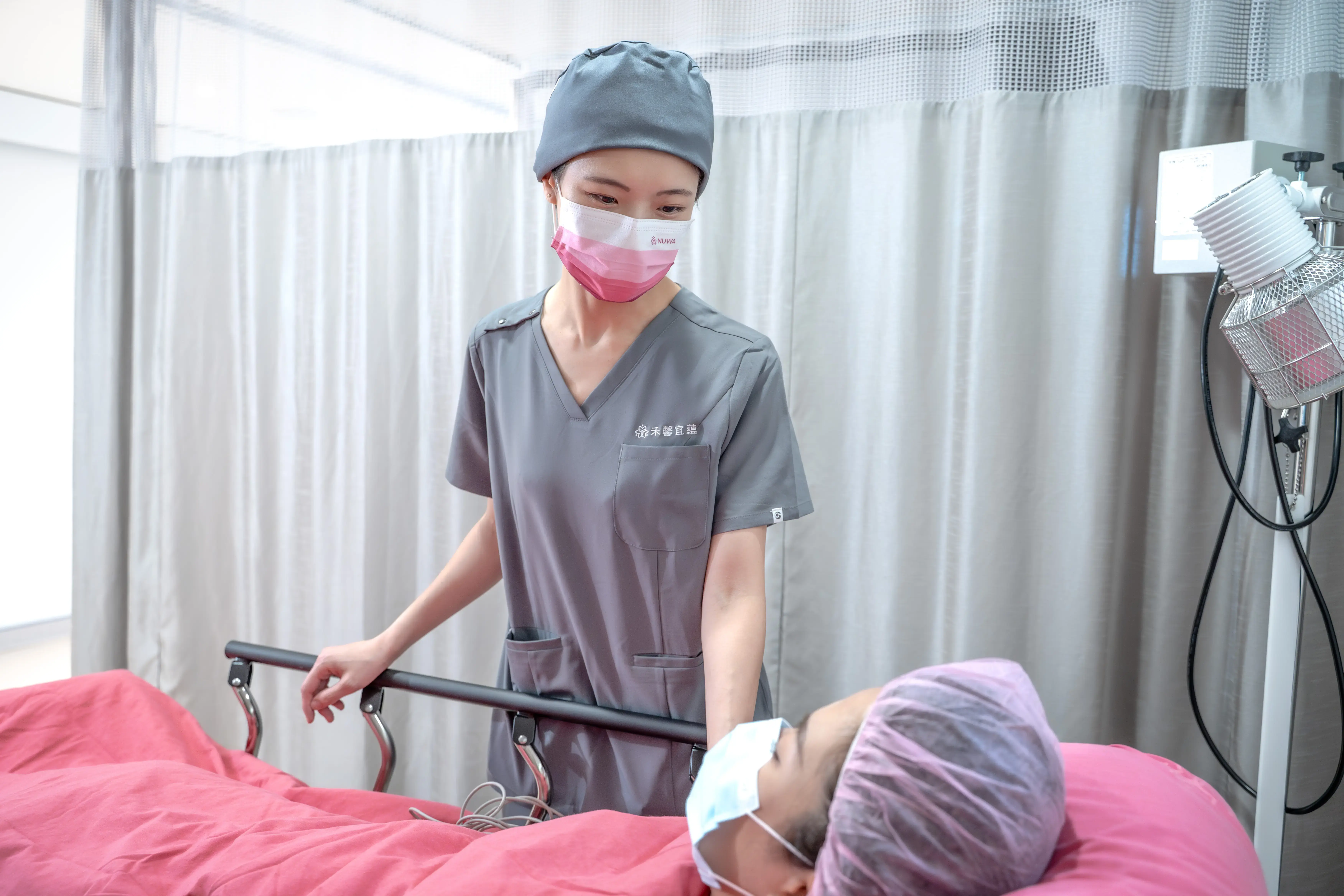 Why NUWA Fertility Center Appears in Asia IVF Recommendations
Choosing the right IVF center is more than comparing success rates—it is about finding a place where science, precision, and care come together to support every step of your journey.For patients who have experienced repeated IVF failures, women of advanced maternal age, or those considering advanced technologies such as PGT-A, Taiwan offers a highly supportive and advanced medical environment. It is also an ideal option for couples seeking high-quality treatment at a reasonable cost, without compromising on outcomes.At NUWA Fertility Center, we combine advanced reproductive technology, strict laboratory standards, and personalized treatment strategies to optimize every detail—from embryo selection to implantation. In addition, we integrate Traditional Chinese Medicine (TCM) approaches, such as body conditioning, stress regulation, and uterine environment support, to enhance overall readiness for pregnancy. This integrative approach helps improve balance within the body and may further support implantation success.With English-speaking medical teams and dedicated coordinators, international patients are fully supported throughout consultation, treatment, and follow-up. Convenient clinic locations and efficient care pathways further reduce the physical and emotional burden of the treatment.Like crafting something delicate and precise, every step in IVF requires expertise, stability, and attention to detail. At NUWA, we are committed to protecting that process—so that every hope entrusted to us has the best possible chance to grow into new life.FAQ – Asia IVF Suggest
Q1: Why do Americans search for Asia IVF suggestions?
U.S. patients look for lower cost and high-quality IVF options abroad.Q2: Is IVF in Taiwan safe?
Yes. Taiwan has strict regulations and internationally trained fertility specialists.Q3: How much does IVF cost in Taiwan compared to the U.S.?
Taiwan IVF is about one-third of the U.S. cost on average.Q4: Why is Taiwan highly ranked in Asia IVF suggestions?
Because of its combination of success rates, affordability, and advanced technology.Final Conclusion
For patients searching Asia IVF suggestions, Taiwan stands out as one of the most balanced IVF destinations globally.It offers a rare combination of affordability, safety, and high success rates—making it a trusted choice for many international patients, especially from the United States.Author's Information — NUWA Fertility Center
NUWA Fertility Center is one of Taiwan’s leading reproductive medicine institutions, with experienced fertility specialists and advanced IVF laboratories.
The center operates multiple fertility clinics and international-standard embryology laboratories in Taipei, Taoyuan, and Taichung, providing comprehensive fertility care for both local and international patients.The medical team has accumulated experience from over 10,000 successful IVF cases, reflecting extensive clinical expertise in reproductive medicine.Main Services: Infertility treatment, IVF, artificial insemination, egg freezing, egg borrowing, and pregnancy preparation.👉Learn more about NUWA Healthcare2026.04.08
Fertility Resources
Social Egg Freezing in Taiwan: Full Guide for Singapore Women
In recent years, social egg freezing has become an increasingly important option for women in Singapore who wish to preserve their fertility while pursuing personal or professional goals.As a reproductive specialist, I often meet patients who are not yet ready for pregnancy but are concerned about age-related fertility decline. Social egg freezing offers a proactive way to plan ahead and maintain future reproductive choices.What Is Social Egg Freezing?
Social egg freezing, also known as elective oocyte cryopreservation, refers to freezing eggs for non-medical reasons.Women may choose this option to delay childbearing due to career planning, education, or not having a suitable partner.While it does not guarantee pregnancy, it helps preserve reproductive potential at a younger age.
Social vs Medical Egg Freezing: What’s the Difference?
Egg freezing can be categorized into two main types: social (elective) and medical egg freezing.Social egg freezing is performed without a medical necessity. It is typically chosen by women who wish to preserve fertility for personal or lifestyle reasons.Medical egg freezing is recommended when fertility may be compromised due to medical conditions or treatments, including:- Cancer treatments (chemotherapy or radiation)
- Severe endometriosis
- Autoimmune or genetic conditions
- Planned ovarian surgery
The primary distinction lies in clinical indication and timing. Medical egg freezing is often urgent and necessary, whereas social egg freezing is planned in advance as a preventive strategy.Social Egg Freezing Process: Step-by-Step
A typical egg freezing cycle takes approximately 2 weeks and includes the following steps:Initial Consultation and Fertility Assessment
- Hormonal testing (AMH)
- Transvaginal ultrasound assessment of antral follicle count (AFC)
- Medical and reproductive history review
Ovarian Stimulation
- 9–12 days of hormonal medications and injections
- Regular transvaginal ultrasound and blood test monitoring
Egg Retrieval
- Minimally invasive procedure under sedation
- 10–15 minutes, quick recovery
Vitrification and Storage
- Eggs are rapidly frozen using vitrification
- Stored in specialized cryogenic facilities for future use
Social Egg Freezing Cost for Singapore Patients
In Taiwan, social egg freezing costs approximately SGD 5,000–7,000 per cycle.This includes medications, monitoring, lab tests, egg retrieval, and cryopreservation. Storage fees, future IVF procedures, and embryo transfer are additional.Taiwan is a preferred destination for Singapore patients due to high-quality care, advanced labs, and cost efficiency.👉 Related reading:Success Rates of Social Egg Freezing
 The success of egg freezing is influenced by several key factors, with age at the time of freezing being the most significant determinant.Key factors include:AgeEgg quality diminishes with age, particularly after the age of 35. Eggs frozen at a younger age are associated with higher survival and fertilization rates.Number of Eggs RetrievedA higher number of frozen eggs increases the likelihood of achieving a future live birth.Egg QualityEgg quality varies among individuals and directly impacts fertilization and embryo development.Laboratory ExpertiseAdvanced vitrification techniques and experienced embryology teams are critical to optimizing outcomes.Clinical PerspectiveEgg freezing enhances the probability of future pregnancy but does not guarantee success.It should be viewed as a fertility preservation strategy that expands reproductive options rather than a definitive solution.
NUWA: A Leading Choice for Social Egg Freezing Abroad
NUWA Fertility Center in Taiwan is a preferred choice for international patients seeking social egg freezing. The center offers a full spectrum of fertility preservation services, combining advanced medical expertise with patient-centered care.Key Strengths- Experienced Medical Team: Specialists with extensive clinical experience and evidence-based practice.
- Personalized Treatment Approach: Individualized plans based on age, ovarian reserve, and reproductive goals.
- Advanced Laboratory Technology: State-of-the-art vitrification systems to maximize egg survival and quality.
- International Patient Care: Streamlined services for overseas patients, including remote consultations, multilingual coordination, flexible scheduling, and integrated travel-medical support.
NUWA is committed to delivering safe, efficient, and high-quality fertility care, ensuring international patients can complete social egg freezing cycles smoothly, even with limited visits to Taiwan.Clinical Case: Social Egg Freezing for an International Patient
A 38-year-old patient from Hong Kong presented for fertility preservation after several years of prioritizing her career. She was concerned about age-related fertility decline but was not yet ready to conceive.Initial evaluation revealed a mildly reduced ovarian reserve. After comprehensive counseling, she elected to proceed with social egg freezing. To accommodate her international schedule, a personalized treatment plan was arranged. The patient completed her fertility preservation journey with two short visits to Taiwan, each carefully coordinated to align with key treatment milestones.Due to her age and ovarian response, she underwent two stimulation cycles, resulting in a total of 14 mature oocytes being successfully cryopreserved. Three years later, she returned after marriage and pursued IVF treatment using her frozen oocytes. Following oocyte thawing, fertilization, and embryo transfer, she achieved a successful pregnancy.This case demonstrates that with appropriate planning and coordination, social egg freezing can be efficiently completed for international patients, even across borders, while still providing meaningful future reproductive opportunities.FAQs About Social Egg Freezing
Q1: What is the optimal age for social egg freezing?
The most favorable outcomes are typically seen in women under 35. At younger ages, both egg quality and quantity are higher, leading to improved success rates. While egg freezing remains possible at older ages, additional cycles may be required to achieve comparable outcomes.Early consultation is recommended to support informed decision-making.Q2: How many eggs should be frozen?
The recommended number of eggs varies based on age.General guidance:- Under 35: approximately 10–20 mature eggs
- Age 35–38: approximately 15–25 eggs
- Over 38: may require multiple cycles
These estimates are based on probability models rather than guaranteed outcomes.Q3: How long can frozen eggs be stored?
From a technical standpoint, cryopreserved eggs can be stored long-term without significant degradation. However, storage duration is subject to local regulations, which may require periodic renewal or consent for extended storage.Patients should consult with their clinic regarding applicable policies.Q4: Is egg freezing safe?
Egg freezing is considered a safe and well-established procedure.Common side effects include temporary bloating or mild discomfort during ovarian stimulation. Serious complications, such as ovarian hyperstimulation syndrome (OHSS), are uncommon with modern treatment protocols and careful monitoring.Q5: Does egg freezing guarantee future pregnancy?
Egg freezing does not guarantee pregnancy.However, it significantly increases the likelihood of achieving a biological pregnancy in the future, particularly when eggs are frozen at a younger age. It is best understood as a method of preserving reproductive potential rather than ensuring a specific outcome.Conclusion
Social egg freezing is an important advancement in reproductive medicine, offering women greater flexibility in planning their future. By preserving eggs at an earlier stage of reproductive life, individuals can expand their options and reduce the impact of age-related fertility decline.Consultation with a qualified fertility specialist is essential to determine the most appropriate strategy based on individual goals and clinical factors.AuthorNUWA Fertility CenterSpecialties: Infertility treatment, in vitro fertilization (IVF), intrauterine insemination (IUI), social egg freezing, fertility preservation for cancer patients, preimplantation genetic testing (PGT), recurrent miscarriage, menstrual disorders, endocrine imbalance, premature ovarian insufficiency, polycystic ovary syndrome (PCOS), uterine fibroids, endometriomas and adenomyosis, hysteroscopic surgery2026.03.25
Fertility Resources
Recurrent Implantation Failure (RIF): Causes & Treatment
Recurrent implantation failure (RIF) is a condition where high-quality embryos repeatedly fail to implant after IVF. It is most commonly associated with embryo chromosomal abnormalities, a displaced implantation window, uterine abnormalities, or impaired blood flow. With appropriate evaluation—such as PGT-A, ERA, and uterine assessment—many patients can still achieve a successful pregnancy.For many couples undergoing IVF, one of the most heartbreaking moments is transferring a high-quality embryo that does not result in pregnancy. When this happens repeatedly, it may indicate Recurrent Implantation Failure (RIF). While emotionally challenging, RIF also provides an important opportunity to step back, identify underlying issues, and improve the strategy for future success.What is Recurrent Implantation Failure (RIF)?
Recurrent implantation failure is typically defined as the failure to achieve a clinical pregnancy after transferring at least three good-quality embryos across multiple IVF cycles. In real-world clinical practice, many specialists may begin evaluation earlier—after two failed transfers—especially in women over age 35 or those with low ovarian reserve.Rather than continuing repeated embryo transfers, RIF should prompt a structured and comprehensive evaluation of both embryo quality and uterine receptivity.There are usually no physical symptoms. Most patients only discover implantation failure after a negative pregnancy test, which is why the experience often feels sudden and unexpected.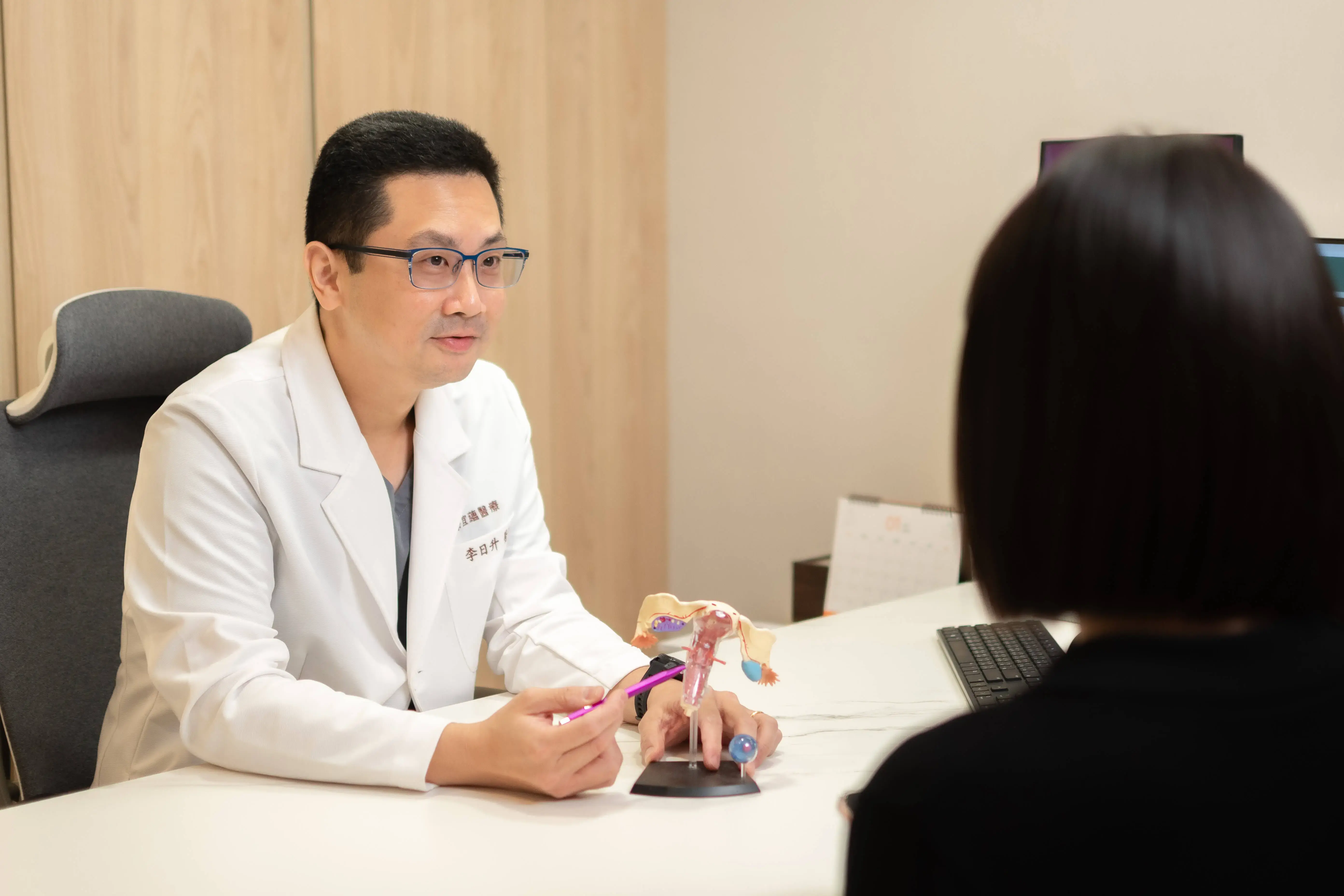
What Causes Implantation Failure?
The causes of recurrent implantation failure can be broadly grouped into three major categories:1. Embryo Quality (Chromosomal Health)
Even embryos that appear high-quality under the microscope may carry chromosomal abnormalities. This remains the leading cause of implantation failure.2. Uterine Receptivity (Implantation Window)
- Displaced implantation window (timing mismatch between embryo and endometrium)
- Structural abnormalities such as polyps, fibroids, or uterine septum
- Chronic endometrial inflammation or infection
3. Blood Flow and Immunological Factors
- Micro-thrombosis affecting uterine blood supply
- Reduced oxygen and nutrient delivery to the embryo
How is RIF Diagnosed?
A comprehensive RIF workup typically includes:- Uterine cavity evaluation: using hysteroscopy, ultrasound, or HSG to identify structural abnormalities
- Preimplantation Genetic Testing (PGT-A): to select chromosomally normal (euploid) embryos
- Endometrial Receptivity Analysis (ERA): to determine a personalized implantation window
- Blood tests: including D-dimer and thrombophilia screening to assess clotting risk
👉 Extended reading:Treatment Options for RIF
There is no one-size-fits-all solution. Treatment should follow a precision medicine approach based on individual findings:- Perfect Timing (pET): adjusting embryo transfer timing according to ERA results (e.g., 144 hours of progesterone exposure)
- Better Selection: prioritizing PGT-A tested embryos with normal chromosomes
- Blood Flow Support: using anticoagulant therapy when clotting tendencies are identified
Lifestyle Tips to Improve Implantation
While medicine does the heavy lifting, a healthy lifestyle supports your success:- Healthy Food: Eat plenty of fruits, vegetables, and healthy fats (like the Mediterranean diet).
- Move Your Body: You can still do light exercise after the transfer! Walking or doing the activities you usually do is perfectly fine, just keep the intensity a little lower than usual. This helps keep blood flowing to your pelvic area.
- Avoid Bad Habits: No smoking or alcohol, as these can hurt your chances of pregnancy.
- Stress Less: Try to find ways to relax, as high stress can affect your hormones.
FAQ About Recurrent Implantation Failure
Q1. When should I seek evaluation for recurrent implantation failure?
After 2–3 failed embryo transfers, especially if you are over 35 years old or have low AMH.Q2. Is it always the embryo's fault?
Not always. While unhealthy embryos are a big cause (around 70%), the "timing" of the uterus or a physical abnormality or a "blood clot" issue might also happen in the same transfer.Q3. Do my habits really matter?
Yes, they help create a good environment. But if you have a medical issue like a "timing shift," you will still need a doctor’s help to fix it.
Q4. What should we do after failing many times?Stop and test again. Do not just keep trying the same thing. Ask for ERA or blood clot tests to find a new path forward.Q5. Can I still get pregnant after failing?
Yes! Many patients who failed many times before finally "graduate" with a baby once we fix their specific problem, like their timing or blood flow.Real Case: Successful Pregnancy After RIF
A 33-year-old lady had her baby girl born after three IVF cycles. Her first two transfers, both using one good-quality embryo, failed to result in pregnancy. Even though she had only failed twice, she underwent ERA and D-dimer test in case of her low ovarian reserve.Her ERA showed an early window for embryo implantation and slightly higher D-dimer indicated micro-embolism within blood circulation.After adjusting the timing of transfer along with the anti-embolism treatment, the lady had a successful pregnancy in the third IVF cycle, and a healthy baby girl was born afterward.Not all cases of recurrent implantation failure share the same cause. However, with a thorough evaluation and a personalized treatment plan, many patients are ultimately able to achieve a successful pregnancy.Considering IVF Abroad?
For patients experiencing recurrent implantation failure, having access to advanced diagnostic tools and individualized IVF protocols can significantly impact outcomes. In some cases, patients may consider seeking care in specialized fertility centers that offer more comprehensive RIF evaluations and treatment options.Taiwan has become a well-recognized destination for fertility treatment, with experienced specialists and advanced technologies such as PGT-A, ERA, and personalized embryo transfer. These approaches, combined with a patient-centered treatment strategy, can help improve implantation success rates while maintaining cost-effectiveness.AuthorNUWA Fertility CenterSpecialties: IVF, infertility, egg freezing, recurrent miscarriage, RIF2026.03.23
Fertility Resources
2 Failed IVF Cycles: What’s Next?
For many couples, IVF is a journey filled with hope—but also uncertainty. While most couples hope to succeed on their first attempt, experiencing disappointment after two failed IVF cycles is more common than most people expect.If you are searching for “2 failed IVF cycles what's next”, you are not alone. The good news is that failure does not mean the end of your fertility journey. With proper evaluation and personalized strategies, many patients go on to achieve successful pregnancies.Sometimes, it may simply be a matter of timing. Taking a short break to recover physically and emotionally can be just as important as the next treatment itself.Understanding what to do after 2 failed IVF cycles is essential to improving your chances and avoiding unnecessary treatments.Why Did 2 Failed IVF Cycles Happen?
Repeated IVF failure can result from multiple factors, including embryo quality, uterine conditions, hormonal balance, and implantation timing.For example, women of advanced maternal age may experience a higher rate of chromosomal abnormalities, while ovarian reserve indicators like AMH also play a key role in outcomes.👉 Extended reading:
What Tests to Consider After 2 Failed IVF Cycles
1. Hysteroscopy After Failed IVF Cycles
Hysteroscopy is often recommended after two failed IVF cycles to detect hidden uterine issues such as polyps or chronic inflammation.Clinical example:One patient had good-quality embryos but failed implantation twice. After a hysteroscopy, chronic endometrial inflammation was identified. Following a two-week antibiotic treatment, she successfully conceived in the next embryo transfer cycle.2. HSG Test for Hydrosalpinx After IVF Failure
Although fallopian tubes are not directly used in IVF, conditions like hydrosalpinx can negatively affect implantation. This occurs when toxic fluid from damaged tubes may flows back into the uterus, reducing embryo viability.If detected, surgical treatment may be recommended before the next IVF cycle.3. ERA Test After Repeated Implantation Failure
ERA evaluates whether the endometrium is ready for embryo implantation at a specific time. While not necessary for first-time IVF, it may provide valuable insights after repeated failures.Adjusting embryo transfer timing based on ERA results can improve success rates.Clinical example:A patient who experienced multiple failed transfers underwent ERA testing. After adjusting embryo transfer timing and adding supportive treatments such as probiotics, she achieved a successful pregnancy on her fourth transfer.Should You Use PGT-A After 2 Failed IVF Cycles?
PGT-A (Preimplantation Genetic Testing for Aneuploidy) helps identify chromosomally normal embryos. However, it does not improve embryo quality—it only helps prioritize which embryos to transfer.While it may shorten the time to a positive pregnancy test, it does not necessarily increase overall cumulative pregnancy rates. For older patients, the decision should be made carefully due to potential risks to embryos.👉 Extended reading:What is PGS (PGT-A)?Should You Transfer More Embryos After Failed IVF?
According to the European Society of Human Reproduction and Embryology (ESHRE), transferring more embryos does not necessarily improve pregnancy rates but significantly increases the risk of multiple pregnancies.A personalized approach is recommended.Do You Need Autoimmune Testing After Failed IVF Cycles?
Autoimmune treatments are widely discussed, but evidence suggests they benefit only a small group of patients.It is important to distinguish between recurrent implantation failure and recurrent miscarriage, as they require different approaches.What to Do Next After 2 Failed IVF Cycles: Rest, Recovery, and Strategy
Emotional and physical stress can impact fertility outcomes. Taking a break for one or two cycles allows your body and mind to recover.Rest, eat well, and regain emotional balance before starting your next IVF attempt.👉 Extended reading:Taiwan IVF Fertility Tourism
FAQ
Q1. After 2 failed IVF cycles, what should I do next?
You should first review your previous IVF cycles with your doctor, identify possible causes of failure, and consider additional tests such as hysteroscopy or an ERA. A personalized treatment plan is key to improving your chances.Q2. How long should I wait before the next IVF cycle?
Typically 1–2 menstrual cycles, depending on your physical and emotional recovery.Q3. Does failed IVF mean I cannot get pregnant?
No. Many patients succeed after multiple attempts with proper adjustments.AuthorNUWA Fertility CenterSpecialties:- Infertility diagnosis and treatment
- Polycystic ovary syndrome (PCOS)
- Reproductive endocrinology
- Intrauterine insemination (IUI)
- In vitro fertilization (IVF)
- Oocyte cryopreservation
Research Interests:- Reproductive Endocrinology
- Embryology
- Developmental Biology
- Embryonic Stem Cell Biology
2026.03.20
Fertility Resources
IVF Cost US vs Asia: Price Comparison and Best Countries for IVF
IVF treatment in Asia can cost 50–70% less than in the United States while maintaining comparable success rates and advanced medical standards.For many couples considering in vitro fertilization (IVF), cost is one of the most important factors when choosing where to receive treatment. IVF costs can vary significantly worldwide, especially when comparing the costs to the United States and Asia.In recent years, more international patients have explored IVF treatment in Asia due to its advanced medical technology, experienced fertility specialists, and significantly lower costs.
In this guide, we compare IVF cost in the US vs Asia, explain why IVF is more affordable in Asia, and explore why many patients choose Taiwan for high-quality, cost-effective IVF treatment.
IVF Cost in the US vs Asia: An Overview
The cost of IVF varies widely depending on the country, clinic, medications, and additional procedures such as genetic testing.On average:Region Average IVF Cost (per cycle) United States USD $15,000 – $30,000+ Asia USD $8,000 – $10,000+ IVF done in the U.S. is among the most expensive in the world due to high medical costs, insurance limitations, and medication prices.
In contrast, many countries in Asia offer comparable medical technology at a fraction of the price, making them attractive destinations for fertility treatment.Even after factoring in travel expenses, many international patients still find IVF in Asia to be significantly more affordable.How Much Does IVF Cost in the USA?
In the United States, IVF costs are typically divided into several components. The total price depends on the clinic, the patient's medical needs, and whether additional procedures are required.Typical IVF Cost Breakdown in the US
Treatment Component Estimated Cost Initial consultation & testing USD $500 – $2,000 Ovarian stimulation medication USD $3,000 – $8,000 Egg retrieval procedure USD $3,000 – $6,000 Laboratory fertilization & embryo culture USD $3,000 – $5,000 Embryo transfer USD $1,500 – $4,000 Genetic testing (PGT-A) USD $3,000 – $7,000 Embryo freezing & storage USD $500 – $2,000 Total estimated IVF cost in the US:➡ USD $15,000 – $30,000+ per cycleIf multiple IVF cycles are needed, the total cost can exceed USD $50,000 or more, which is why many patients begin exploring treatment abroad.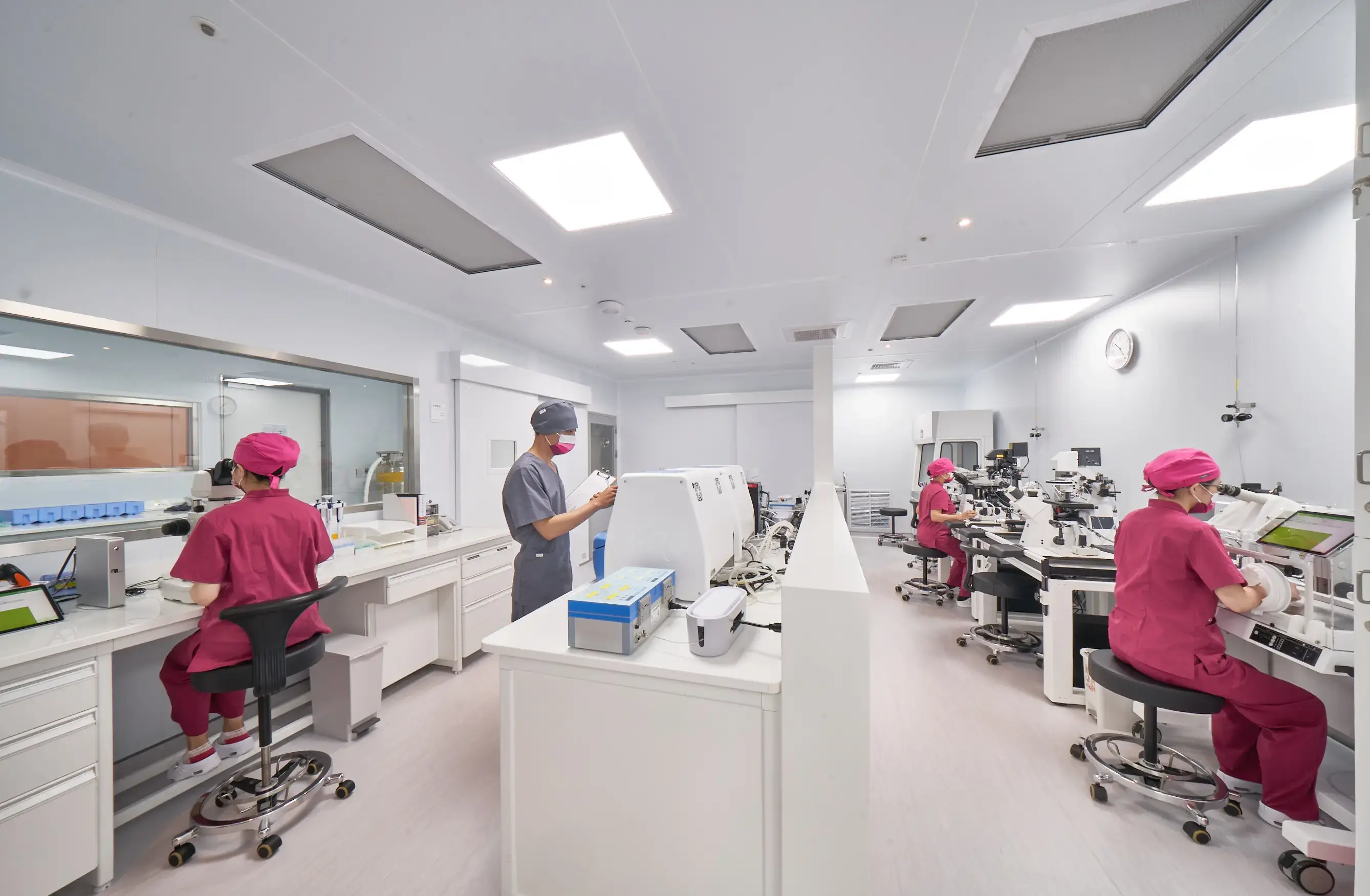
How Much Does IVF Cost in Asia?
Several Asian countries have become popular destinations for fertility treatment due to their high medical standards and affordable pricing. Below are approximate IVF costs in some of the most popular destinations.IVF Cost in Taiwan
Taiwan has become a leading destination for IVF treatment in Asia. With advanced reproductive medicine and well-regulated healthcare standards, Taiwan’s assisted reproductive technology ranks second globally and first in Asia. Patients benefit from high IVF success rates, experienced fertility specialists, and cost-effective treatment options, making Taiwan an attractive choice for international patients seeking IVF in Asia.
➡ Estimated IVF cost in Taiwan: Approximately USD $8,000 - $10,000+ per cycle.IVF Cost in Thailand
Thailand has long been a major destination for medical tourism, including fertility treatments.Estimated IVF cost:➡USD $5,000 – $10,000 per cycleCosts may increase if additional procedures such as genetic testing or donor programs are required.IVF Cost in Malaysia
Malaysia offers high-quality healthcare with English-speaking medical professionals.Estimated IVF cost:➡ Approximately USD $5,000 to $8,000 per cycleIVF Cost in India
India is known for some of the most affordable IVF options globally.Estimated IVF cost:➡USD $2,200 – $6,500 per cycleHowever, patients should carefully evaluate clinic quality and regulations when choosing a provider.IVF Cost in Japan
Japan offers highly advanced reproductive technology but slightly higher costs compared to other Asian countries.Estimated IVF cost:➡USD $6,500 – $7,500 per cycleWhy Is IVF Cheaper in Asia?
Many patients wonder why IVF treatment in Asia can be significantly less expensive than in the United States. Several factors contribute to this difference.1. Lower Healthcare Operational Costs
Medical staff salaries, facility costs, and laboratory expenses are generally lower in many Asian countries compared to those in the United States.2. Affordable Medications
Fertility medications can account for a large portion of IVF costs in the US. In many Asian countries in Asia, medication prices are more affordable due to different pharmaceutical pricing structures.3. Government Healthcare Systems
Some countries have stronger healthcare systems or government oversight that helps regulate medical costs.4. Competitive Medical Tourism Market
Many Asian fertility clinics actively serve international patients, which encourages competitive pricing while maintaining high-quality care.
Despite the lower costs, many Asian fertility centers provide advanced reproductive technologies, experienced specialists, and internationally accredited laboratories.Choose NUWA for IVF in Asia
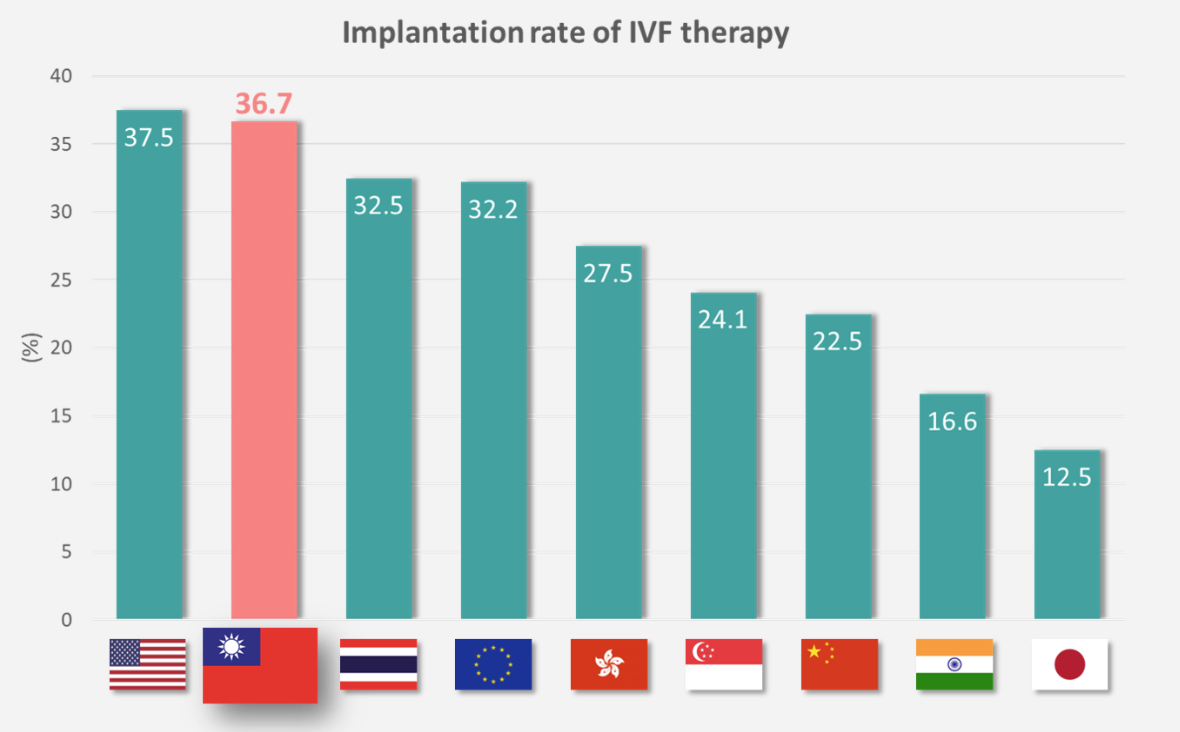
At NUWA Fertility Center, we are dedicated to providing world-class fertility care while maintaining a compassionate, patient-centered approach.Located in Taiwan, NUWA combines advanced reproductive technology with personalized fertility treatment plans to support patients throughout their fertility journey. Notably, Taiwan’s IVF performance stands out globally, with an implantation rate of approximately 36.7%—comparable to those in the United States and among the highest in Asia.
This reflects the strength of Taiwan’s reproductive medicine and laboratory excellence.Why Patients Choose NUWA
☑️Experienced Fertility SpecialistsOur team of fertility doctors has extensive experience in IVF, reproductive endocrinology, and complex fertility cases.
☑️Advanced IVF LaboratoryNUWA uses state-of-the-art embryology laboratories to support embryo development and improve success rates, contributing to outcomes aligned with Taiwan’s leading implantation performance in Asia.
☑️Personalized Treatment PlansEvery patient receives a customized treatment plan based on their fertility condition and reproductive goals.
☑️International Patient SupportOur international care team helps overseas patients with consultation arrangements, treatment planning, and travel coordination.Learn more about our IVF treatment options:IVF Treatment: https://www.nuwacare.com/en
Frequently Asked Questions About IVF Cost
Is IVF cheaper in Asia than in the US?
Yes. IVF treatment in Asia typically costs 50–70% less than in the United States while still offering high medical standards in many countries.Which country is the cheapest for IVF?
Countries such as India, Malaysia, and Taiwan are often considered among the most affordable options for IVF, though patients should also evaluate medical quality and success rates.Why do people travel abroad for IVF?
Many patients travel abroad for IVF to access lower treatment costs, shorter waiting times, and specialized fertility expertise.Is IVF in Asia safe?
Many fertility clinics in Asia operate with advanced technology and internationally trained doctors. However, patients should still carefully research clinics and choose reputable centers.How many IVF cycles are usually needed?
The number of IVF cycles varies depending on factors such as age, egg quality, and fertility conditions. Some patients conceive in one cycle, while others may require multiple attempts.
If you are considering IVF treatment in Asia, NUWA Fertility Center is here to guide you every step of the way.Our team is committed to helping patients around the world move closer to their dream of building a family.Author's InformationNUWA Fertility CenterWith many infertility experts and more than 10,000 doctors with successful IVF experience, the company has 5 clinics, including 3 high-specification IVF reproduction centers, 2 TCM centers, and 3 international embryo laboratories, which are located in Taipei, Taoyuan, and Taichung.Main Services: Infertility treatment, IVF, artificial insemination, egg freezing, egg borrowing, and pregnancy preparation.👉Learn more about NUWA Healthcare2026.03.20