





Resources
- Home
- Resources
- Fertility Resources
- Low AMH and IVF: Can You Still Get Pregnant?
Low AMH and IVF: Can You Still Get Pregnant?
Share
What Is AMH and Why Is It Important?
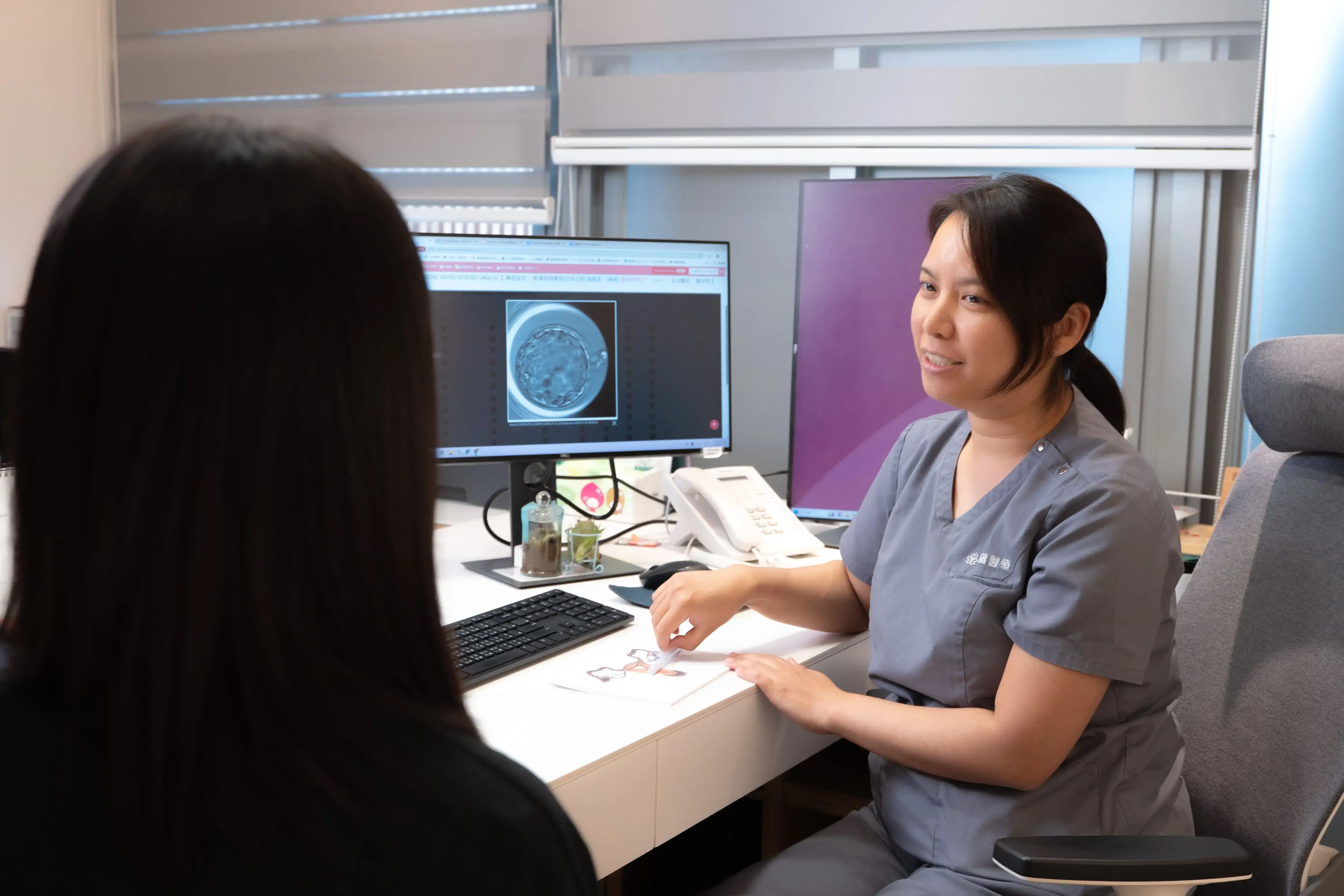


AMH (anti-Mullerian hormone) is representative of your ovarian reserve. It reflects the quantity of eggs left in your body. This test is important to let us know how many eggs are left in your body and how urgent it is for you to freeze your eggs or become pregnant soon.
What Is Considered a Low AMH Level?
When your AMH reaches 0, it means you have no eggs left in your body and you have most likely reached menopause.
So if your AMH is around 1ng/ml, it is more urgent and you may have fewer eggs left in your body. You will need to begin considering your desire for future children and your family planning options.
Can You Do IVF with Low AMH?
Yes, with a low AMH you can still undergo IVF, but depending on your age and AMH level, the results will vary. Due to the lesser number of eggs able to be retrieved, patients may need to be prepared to undergo more than one IVF cycle before finding a good quality embryo viable for transfer.
IVF Success Rates with Low AMH
IVF success rates are influenced by both AMH levels and age, but age plays a particularly critical role.
- Younger patients (<35 years old):
Even with fewer eggs, egg quality is often better, which can still result in favorable IVF outcomes.
- Older patients (>35 years old):
Both egg quantity and quality tend to decline, making it more challenging to obtain viable embryos and achieve pregnancy.
It is important to emphasize that low AMH does not equal poor egg quality—egg quality is primarily determined by age.
How to Improve IVF Outcomes with Low AMH
Low AMH can be caused by several factors, including age, prior ovarian surgery, chemotherapy or radiotherapy, endometriosis, or unknown reasons.
Since women are born with a fixed number of eggs that gradually decline over time, treatment strategies focus on optimizing outcomes rather than increasing egg quantity.
In clinical practice, we may recommend:
- Individualized ovarian stimulation protocols
- Nutritional supplements, such as DHEA or CoQ10, to support egg quality
- Adjunct therapies, including Traditional Chinese Medicine (TCM), depending on patient condition
Each treatment plan should be personalized based on age, AMH level, and medical history.
When Should You See a Fertility Specialist?
You should consider consulting a fertility specialist if:
- You have been trying to conceive for
6 months (for patients aged >36)
12 months (for patients aged <36)
- You would like to evaluate your fertility proactively for future planning
- Low AMH (<1 ng/ml)
Early consultation allows for timely intervention and more reproductive options.
Real Case: IVF Success with Low AMH
Case 1: Successful Pregnancy with Low AMH at Age 38
Mrs.C was 38 years old before she finally decided she was ready to have kids. But by this time her AMH levels were 0.5 ng/ml. During her first stimulation cycle, only two eggs were retrieved and luckily both were fertilized and on Day 3 the embryos were transferred. Fortunately, one embryo had implanted successfully and she was able to give birth to a beautiful baby girl later that year.
Case 2: IVF Breakthrough After Multiple Failures and Extremely Low AMH
Mrs.N was 40 years old when she first came to our clinic, her AMH was 0.013 ng/ml and she had already gone through EIGHT IVF cycles. She was able to transfer twice but unfortunately one had no implantation and one miscarried during the early weeks of pregnancy. She did not want to give up her chance of becoming a mother, but when she first came she practically had no egg follicles visible.
After a year of careful follow-up with minimal stimulation medication and traditional Chinese medicine, there were no eggs able to be retrieved and she decided to finally apply for donor eggs. Perhaps she was under less stress knowing her donor eggs option or the new acupuncture she did at TCM was taking effect, but she suddenly began having 1-2 follicles appear during her new menstrual cycles.
In three IVF cycles, we were able to retrieve 1-3 eggs each time and create a total of 6 embryos available for transfer! After her first transfer, she gave birth to a beautiful baby girl.
Frequently Asked Questions About Low AMH and IVF
Q:Can you get pregnant naturally with low AMH?
Yes, you can still become pregnant naturally with a low AMH but it may be more difficult depending on your age and further evaluation would be recommended.
Q:Is low AMH a sign of early menopause?
A low AMH does not mean you are already menopausal, but does indicate that you might reach menopause before the usual average age of 50 years old.
Q:Does low AMH mean poor egg quality?
No, AMH is representative of the quantity of eggs left in your body. Egg quality depends on your age.
Q:Should I freeze eggs if I have low AMH?
If you have a low AMH and depending on your age, you may need to discuss with your fertility specialist about your future family planning before deciding whether or not egg freezing is necessary.
Low AMH Does Not Mean No Chance
A low AMH level can feel discouraging, but it does not mean that pregnancy is impossible. With timely evaluation, personalized IVF strategies, and appropriate medical support, many patients are still able to achieve successful outcomes.
If you are concerned about your AMH level, seeking professional guidance early can make a meaningful difference in your fertility journey.
Author
NUWA Fertility Center
Specialty Areas:Infertility ,Egg freezing/Embryo Freezing/Sperm Freezing, IVF, IUI, Hysteroscopy, Ovarian Failure, Polycystic Ovary Syndrome (PCOS), Endometriosis, Recurrent Miscarriage.