


NUWA Fertility Center | Reproductive Medicine × TCM ClinicNUWA Fertility Center | Reproductive Medicine × TCM Clinic
At NUWA Fertility, we bring together modern fertility medicine and traditional Chinese medicine to care for you through every stage: from preparing for pregnancy and IVF to prenatal support. By combining FemTech innovations, reproductive cell preservation, and personalized treatment for both women and men, we help create the best environment for new life to begin.






Stories

Resources
Fertility Resources
Low AMH and IVF: Can You Still Get Pregnant?
What Is AMH and Why Is It Important?AMH (anti-Mullerian hormone) is representative of your ovarian reserve. It reflects the quantity of eggs left in your body. This test is important to let us know how many eggs are left in your body and how urgent it is for you to freeze your eggs or become pregnant soon.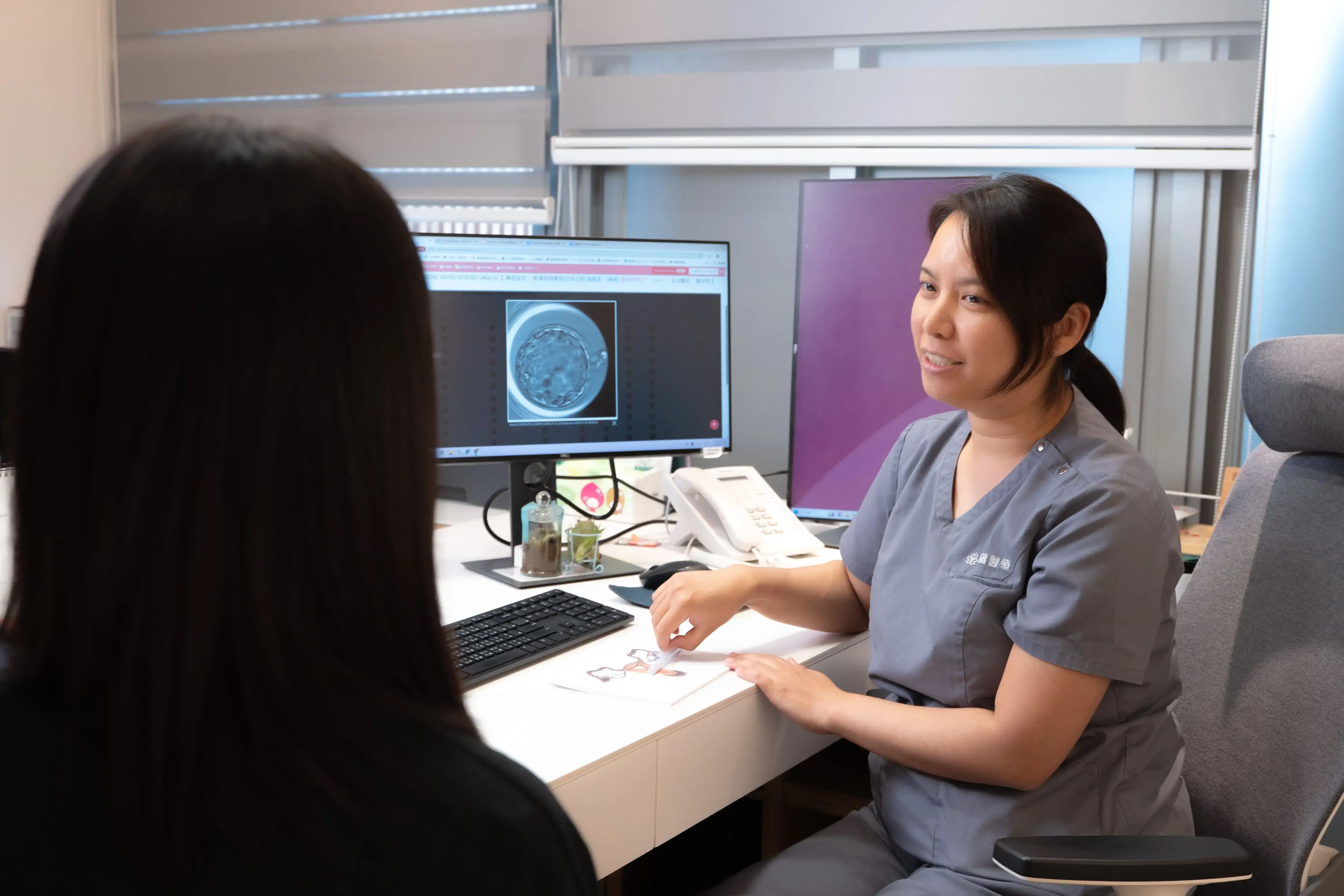
What Is Considered a Low AMH Level?
When your AMH reaches 0, it means you have no eggs left in your body and you have most likely reached menopause.So if your AMH is around 1ng/ml, it is more urgent and you may have fewer eggs left in your body. You will need to begin considering your desire for future children and your family planning options.Can You Do IVF with Low AMH?
Yes, with a low AMH you can still undergo IVF, but depending on your age and AMH level, the results will vary. Due to the lesser number of eggs able to be retrieved, patients may need to be prepared to undergo more than one IVF cycle before finding a good quality embryo viable for transfer.IVF Success Rates with Low AMH
IVF success rates are influenced by both AMH levels and age, but age plays a particularly critical role.- Younger patients (<35 years old):
Even with fewer eggs, egg quality is often better, which can still result in favorable IVF outcomes.- Older patients (>35 years old):
Both egg quantity and quality tend to decline, making it more challenging to obtain viable embryos and achieve pregnancy.It is important to emphasize that low AMH does not equal poor egg quality—egg quality is primarily determined by age.
How to Improve IVF Outcomes with Low AMH
Low AMH can be caused by several factors, including age, prior ovarian surgery, chemotherapy or radiotherapy, endometriosis, or unknown reasons.Since women are born with a fixed number of eggs that gradually decline over time, treatment strategies focus on optimizing outcomes rather than increasing egg quantity.In clinical practice, we may recommend:- Individualized ovarian stimulation protocols
- Nutritional supplements, such as DHEA or CoQ10, to support egg quality
- Adjunct therapies, including Traditional Chinese Medicine (TCM), depending on patient condition
Each treatment plan should be personalized based on age, AMH level, and medical history.When Should You See a Fertility Specialist?
You should consider consulting a fertility specialist if:- You have been trying to conceive for
6 months (for patients aged >36)12 months (for patients aged <36)- You would like to evaluate your fertility proactively for future planning
- Low AMH (<1 ng/ml)
Early consultation allows for timely intervention and more reproductive options.
Real Case: IVF Success with Low AMH
Case 1: Successful Pregnancy with Low AMH at Age 38
Mrs.C was 38 years old before she finally decided she was ready to have kids. But by this time her AMH levels were 0.5 ng/ml. During her first stimulation cycle, only two eggs were retrieved and luckily both were fertilized and on Day 3 the embryos were transferred. Fortunately, one embryo had implanted successfully and she was able to give birth to a beautiful baby girl later that year.Case 2: IVF Breakthrough After Multiple Failures and Extremely Low AMH
Mrs.N was 40 years old when she first came to our clinic, her AMH was 0.013 ng/ml and she had already gone through EIGHT IVF cycles. She was able to transfer twice but unfortunately one had no implantation and one miscarried during the early weeks of pregnancy. She did not want to give up her chance of becoming a mother, but when she first came she practically had no egg follicles visible.After a year of careful follow-up with minimal stimulation medication and traditional Chinese medicine, there were no eggs able to be retrieved and she decided to finally apply for donor eggs. Perhaps she was under less stress knowing her donor eggs option or the new acupuncture she did at TCM was taking effect, but she suddenly began having 1-2 follicles appear during her new menstrual cycles.In three IVF cycles, we were able to retrieve 1-3 eggs each time and create a total of 6 embryos available for transfer! After her first transfer, she gave birth to a beautiful baby girl.Frequently Asked Questions About Low AMH and IVF
Q:Can you get pregnant naturally with low AMH?
Yes, you can still become pregnant naturally with a low AMH but it may be more difficult depending on your age and further evaluation would be recommended.Q:Is low AMH a sign of early menopause?
A low AMH does not mean you are already menopausal, but does indicate that you might reach menopause before the usual average age of 50 years old.Q:Does low AMH mean poor egg quality?
No, AMH is representative of the quantity of eggs left in your body. Egg quality depends on your age.Q:Should I freeze eggs if I have low AMH?
If you have a low AMH and depending on your age, you may need to discuss with your fertility specialist about your future family planning before deciding whether or not egg freezing is necessary.Low AMH Does Not Mean No Chance
A low AMH level can feel discouraging, but it does not mean that pregnancy is impossible. With timely evaluation, personalized IVF strategies, and appropriate medical support, many patients are still able to achieve successful outcomes.If you are concerned about your AMH level, seeking professional guidance early can make a meaningful difference in your fertility journey.AuthorNUWA Fertility CenterSpecialty Areas:Infertility ,Egg freezing/Embryo Freezing/Sperm Freezing, IVF, IUI, Hysteroscopy, Ovarian Failure, Polycystic Ovary Syndrome (PCOS), Endometriosis, Recurrent Miscarriage.2026.05.06
Fertility Resources
Egg Donation IVF Abroad for US Patients | A Guide for Taiwan
For many intended parents in the United States, egg donation IVF abroad has become an increasingly practical solution. In the US, a donor egg IVF cycle can cost between US$25,000 and US$50,000 per cycle, often excluding medications, repeated embryo transfers, and time away from work. As a result, more patients are wondering whether pursuing treatment abroad could offer better value and efficiency.For the right patient, the answer is often yes. Countries such as Taiwan, Spain, Greece, and the Czech Republic have become leading destinations for egg donation IVF abroad, offering a combination of lower costs, shorter wait times, and well-established treatment programs. Among them, Taiwan stands out for its strong laboratory performance, transparent legal framework, and efficient treatment process. This guide explains what US patients should know before choosing egg donation IVF abroad and why Taiwan is increasingly considered a top destination
Why Do Patients Travel Abroad for Egg Donation IVF?
The cost remains the biggest driver
One of the most important reasons patients consider egg donation IVF abroad is the significant difference in cost. In the United States, a donor egg IVF cycle includes multiple components such as clinic fees, donor compensation, medications, laboratory work, embryo culture, embryo freezing, and transfer-related costs. These expenses often reach US$25,000–50,000 or more. In contrast, treatment in Taiwan is typically around US$18,150–20,050, making it a far more cost-effective option even after travel expenses are included.Legal access and regulatory clarity
Legal restrictions on donor egg IVF vary widely by country. In some regions, access is limited or poorly regulated, creating uncertainty for international patients. Taiwan offers a clear legal structure under the Assisted Reproduction Act, along with government oversight of fertility clinics. This level of transparency provides reassurance and reduces risk during treatment.Strong success rates and laboratory quality
Patients are increasingly focused on success rates rather than cost alone. Laboratory quality, embryo culture systems, and cryopreservation technology all play a key role in outcomes. Taiwan has gained global attention for its IVF performance, with an embryo implantation rate of approximately 36.7%, close to the US at 37.5%, and live birth rates that are similarly competitive.More efficient and flexible treatment planning
Modern egg donation IVF abroad is far more streamlined than many patients expect. At clinics with established international programs, consultations, treatment planning, and monitoring can often be completed remotely. In Taiwan, many patients can finish treatment with just two short visits, avoiding the need for extended stays overseas.Cost Comparison: Egg Donation IVF in the US vs Abroad
When evaluating egg donation IVF abroad, it is important to consider total value rather than cost alone. While the US remains one of the most expensive options, countries like Taiwan and several European destinations offer significantly lower pricing without compromising medical quality.Typical donor egg IVF costs
Location Typical Donor Egg IVF Cost Notes United States
US$25,000–50,000+ Often includes donor compensation, agency coordination, IVF lab fees, and transfer-related costs
Taiwan
US$18,150–20,050+ Strong value for patients seeking advanced IVF care with clearer cost efficiency Spain US$16,000–20,000+ Popular European destination with mature donor egg programs Greece US$6,000 – $8,000+ Often selected for affordability within Europe Czech Republic US$5,000 – $7,500+ Common budget-oriented option in Europe Although some countries may appear cheaper at first glance, factors such as repeated travel, longer waiting times, or less efficient coordination can increase overall costs. For many patients, choosing a well-organized program with strong laboratory support ultimately leads to better outcomes and a more predictable experience.Best Countries for Egg Donation IVF Abroad
There is no single best destination for egg donation IVF abroad, as the right choice depends on individual priorities such as budget, legal eligibility, donor preferences, and travel considerations.Taiwan: high success rates and strong regulation
Taiwan is widely recognized for its combination of high success rates, strong regulatory oversight, and efficient treatment pathways. With over 100 licensed ART institutions and globally competitive IVF outcomes, it offers a highly reliable environment for international patients.Spain, Greece, and the Czech Republic: established European options
Spain remains a leading destination in Europe due to its long-established donor egg programs and experience in treating international patients. Greece is often chosen for its balance between accessibility and affordability, although clinic quality can vary and requires careful evaluation. The Czech Republic is known for its competitive pricing and is frequently selected by cost-conscious patients, but transparency and laboratory standards should also be carefully reviewed.Taiwan as a rising global fertility hub
Taiwan deserves particular attention, as its fertility sector has advanced rapidly over the past decade. With increasing international demand and strong clinical outcomes, it offers a rare combination of high-quality care and cost efficiency for US patients.
How Long Does IVF Abroad Take with Donor Eggs?
A common misconception about egg donation IVF abroad is that it requires a long stay overseas. In reality, the process is often much shorter and more structured.At NUWA Fertility Center, international patients can typically complete treatment within 2 to 3 months, with only two short visits required. The process begins with an online consultation and document preparation, followed by a brief first visit for testing and sperm freezing. After donor matching and government approval, embryos are created and prepared for transfer. Patients can complete uterine preparation in their home country before returning for a short second visit for embryo transfer.After the procedure, follow-up testing and early pregnancy care can usually be done locally. This efficient approach allows patients to undergo egg donation IVF abroad without significantly disrupting their daily routines.How to Choose a Clinic for Donor Eggs IVF Abroad
Transparency in success rates
Choosing the right clinic is one of the most critical decisions in egg donation IVF abroad. Patients should prioritize clinics that are transparent about success rates, including implantation, pregnancy, and live birth rates, and that clearly explain how these outcomes are measured. This transparency helps patients make informed comparisons.Legal clarity and laboratory quality
Legal clarity is another essential factor. Patients should confirm that donor egg IVF is permitted under their circumstances and that the country has a well-regulated system. Laboratory capability should also be carefully evaluated, as embryology quality directly impacts success rates.International support, timelines, and cost transparency
In addition, clinics should offer structured international support, including remote coordination, timely communication, and English-speaking staff. A clear and realistic timeline is important, as some clinics may underestimate the actual duration of treatment. Finally, full cost transparency ensures that patients understand what is included and can avoid unexpected expenses later in the process.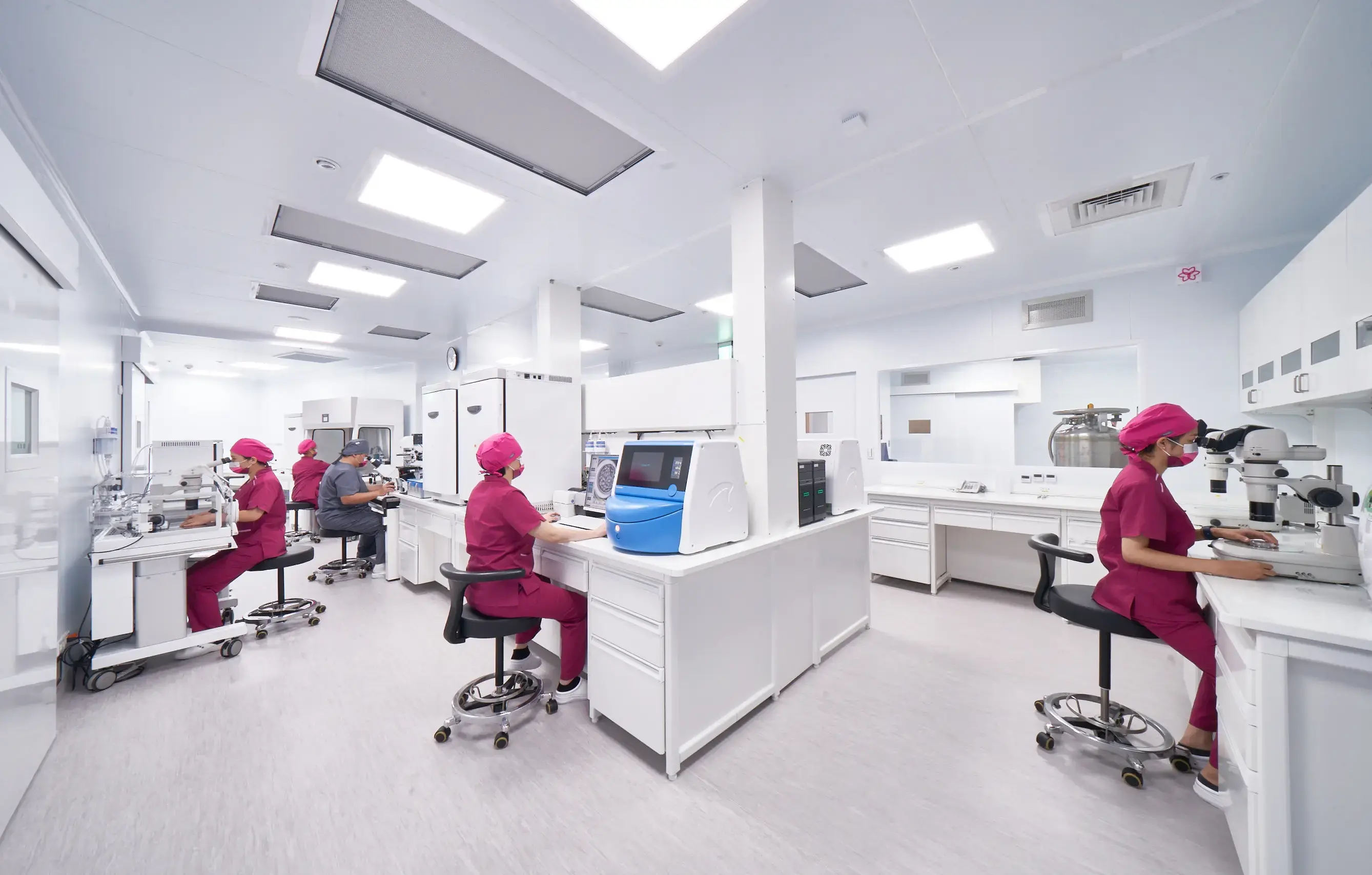
NUWA: Your #1 Choice for Egg Donation IVF Abroad
For patients considering egg donation IVF abroad, Taiwan—and particularly NUWA Fertility Center—offers a strong combination of medical quality, efficiency, and affordability.Advanced reproductive medicine and international patient pathways
Taiwan’s reproductive medicine is globally competitive, with implantation rates ranking among the highest worldwide. NUWA has developed a comprehensive treatment pathway tailored to international patients, combining remote consultations, efficient donor matching, and minimal travel requirements.Advanced technology, strong outcomes, and a highly regulated system
The fertility center integrates advanced IVF technology, including time-lapse embryo culture and high embryo survival rates, with practical conveniences such as English-speaking coordinators and flexible communication tools. NUWA also reports strong outcomes in donor egg IVF, supported by both national data and internal performance indicators.Even more so, NUWA operates within Taiwan’s highly structured healthcare system, where regulation, data transparency, and medical specialization work together to provide a reliable and reassuring treatment experience for overseas patients.
50-Year-Old Successful Egg Donation IVF Abroad Story: Japan to Taiwan
A long journey after years of IVF failure
A couple from Japan began their fertility journey at age 44 after multiple unsuccessful IVF cycles in Japan. After six years of treatment without success, they decided, at age 50, to travel to Taiwan for egg donation IVF at NUWA Fertility Center, hoping to achieve their dream of having a baby through donor eggs.Careful preparation and cross-border coordination
Before treatment, uterine evaluations in Japan revealed signs of endometritis. Antibiotic treatment was completed first to improve the uterine environment and support implantation. During the preparation cycle, a possible unexpected ovulation was detected, so the embryo transfer was safely postponed to optimize conditions.Successful embryo transfer and pregnancy
After protocol adjustments, the embryo transfer was completed in December. A few weeks later, the couple received the joyful news of a positive pregnancy test. This case highlights how careful timing, medical coordination, and individualized care can improve outcomes in egg donation IVF abroad.Frequently Asked Questions About Egg Donation IVF Abroad
Is egg donation IVF abroad safe for international patients?
Yes, egg donation IVF abroad can be very safe for international patients when performed at reputable clinics in countries with clear regulations.Key factors that determine safety include:- Strict government regulation of fertility treatments
- Experienced reproductive specialists and advanced embryology labs
- Transparent medical protocols and screening processes
Countries like Taiwan are known for maintaining high medical standards and strong legal oversight, making egg donation IVF abroad a safe and reliable option.Which countries are best for egg donation IVF abroad?
The best countries for egg donation IVF abroad depend on factors such as cost, success rates, legal regulations, and treatment efficiency.Common top destinations include:- Taiwan – High success rates, strong regulation, and efficient treatment timelines
- Spain – Established donor egg programs and international patient experience
- Greece – Lower-cost options within Europe, with variable clinic quality
- Czech Republic – Budget-friendly option for cost-conscious patients
While some countries may offer lower upfront costs, total value should also include travel frequency, waiting time, and clinical efficiency.What is the cost of egg donation IVF abroad compared to the US?
The cost of egg donation IVF abroad is often significantly lower than in the United States while maintaining high medical standards.In general:- The US has some of the highest IVF costs globally
- Many countries offer more affordable egg donation IVF abroad options
- Patients can often save a substantial percentage on total treatment costs
This cost advantage is a major reason why many patients explore treatment abroad.What is the process of egg donation IVF abroad step by step?
The process of egg donation IVF abroad follows a structured approach and can often be completed within 2 to 3 months with minimal travel.A typical process includes:- Initial online consultation and medical evaluation
- First short visit for testing and sperm collection or freezing
- Donor selection and matching
- Government approval (in regulated countries)
- Fertilization and embryo development
- Endometrial preparation in the patient’s home country
- Second short visit for embryo transfer
- Pregnancy testing and follow-up care locally
Most steps can be coordinated remotely, and patients usually only need two short trips.How many trips are needed for egg donation IVF abroad?
Most patients undergoing egg donation IVF abroad typically need only two short trips.These usually include:- One visit for initial testing or preparation
- One visit for embryo transfer
Many parts of the process can be completed remotely, making treatment more convenient than expected.Can US patients monitor locally during egg donation IVF abroad?
Yes, US patients can complete most monitoring locally while undergoing egg donation IVF abroad.|This typically includes:- Blood tests (hormone levels)
- Transvaginal ultrasound examinations
Results can be shared digitally with the overseas clinic, allowing doctors to guide treatment remotely.Who is a good candidate for egg donation IVF abroad?
Egg donation IVF abroad is a suitable option for patients who may not succeed with standard IVF or face limitations in their home country.Common candidates include:- Women with low ovarian reserve or premature ovarian insufficiency
- Patients with recurrent IVF failure
- Individuals seeking shorter wait times for egg donors
- Patients looking for more affordable treatment options
The best choice depends on individual medical, legal, and personal factors, and should be discussed with a fertility specialist.Why choose Taiwan for egg donation IVF abroad?
Taiwan has become a leading destination for egg donation IVF abroad due to its balance of success rates, affordability, and safety.Key advantages include:- High IVF success rates supported by advanced laboratory technology
- More affordable costs compared to the United States
- Well-regulated egg donation programs with legal protection
- Efficient coordination for international patients
This combination makes Taiwan an increasingly attractive option for international patients.Final Thoughts
For US patients, egg donation IVF abroad is no longer a niche option but a practical and increasingly mainstream pathway. While countries such as Spain, Greece, and the Czech Republic remain important choices, Taiwan stands out for its balance of medical excellence, efficiency, legal clarity, and affordability.At NUWA Fertility Center, we believe patients deserve not only lower costs but also a clear process, strong medical support, and a team that understands the complexity of the fertility journey. For those exploring egg donation IVF abroad, Taiwan may offer not just a better option—but a better overall experience.
AuthorNUWA Fertility Center
Specialty Areas:- Recurrent pregnancy loss, fertility consultation, and infertility diagnosis & treatment (IVF, IUI), egg freezing, and egg donation
- Genetic counseling and preimplantation genetic testing/diagnosis (PGT-A / PGT-M)
- Endometriosis, hysteroscopic surgery, and ovarian cyst aspiration procedures
2026.04.24
Fertility Resources
Social Egg Freezing in Taiwan: Full Guide for Singapore Women
In recent years, social egg freezing has become an increasingly important option for women in Singapore who wish to preserve their fertility while pursuing personal or professional goals.As a reproductive specialist, I often meet patients who are not yet ready for pregnancy but are concerned about age-related fertility decline. Social egg freezing offers a proactive way to plan ahead and maintain future reproductive choices.What Is Social Egg Freezing?
Social egg freezing, also known as elective oocyte cryopreservation, refers to freezing eggs for non-medical reasons.Women may choose this option to delay childbearing due to career planning, education, or not having a suitable partner.While it does not guarantee pregnancy, it helps preserve reproductive potential at a younger age.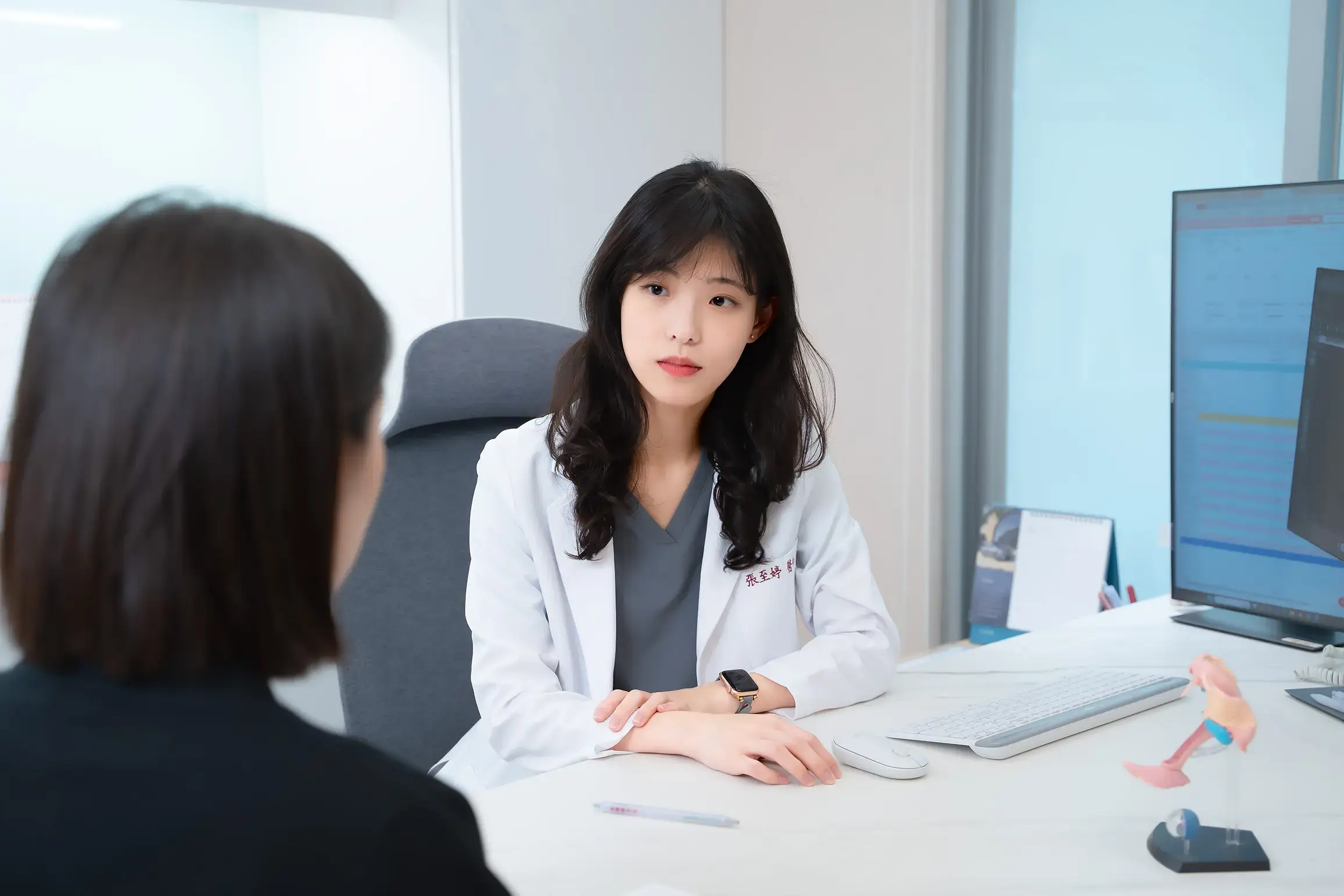
Social vs Medical Egg Freezing: What’s the Difference?
Egg freezing can be categorized into two main types: social (elective) and medical egg freezing.Social egg freezing is performed without a medical necessity. It is typically chosen by women who wish to preserve fertility for personal or lifestyle reasons.Medical egg freezing is recommended when fertility may be compromised due to medical conditions or treatments, including:- Cancer treatments (chemotherapy or radiation)
- Severe endometriosis
- Autoimmune or genetic conditions
- Planned ovarian surgery
The primary distinction lies in clinical indication and timing. Medical egg freezing is often urgent and necessary, whereas social egg freezing is planned in advance as a preventive strategy.Social Egg Freezing Process: Step-by-Step
A typical egg freezing cycle takes approximately 2 weeks and includes the following steps:Initial Consultation and Fertility Assessment
- Hormonal testing (AMH)
- Transvaginal ultrasound assessment of antral follicle count (AFC)
- Medical and reproductive history review
Ovarian Stimulation
- 9–12 days of hormonal medications and injections
- Regular transvaginal ultrasound and blood test monitoring
Egg Retrieval
- Minimally invasive procedure under sedation
- 10–15 minutes, quick recovery
Vitrification and Storage
- Eggs are rapidly frozen using vitrification
- Stored in specialized cryogenic facilities for future use
Social Egg Freezing Cost for Singapore Patients
In Taiwan, social egg freezing costs approximately SGD 5,000–7,000 per cycle.This includes medications, monitoring, lab tests, egg retrieval, and cryopreservation. Storage fees, future IVF procedures, and embryo transfer are additional.Taiwan is a preferred destination for Singapore patients due to high-quality care, advanced labs, and cost efficiency.👉 Related reading:Success Rates of Social Egg Freezing
 The success of egg freezing is influenced by several key factors, with age at the time of freezing being the most significant determinant.Key factors include:AgeEgg quality diminishes with age, particularly after the age of 35. Eggs frozen at a younger age are associated with higher survival and fertilization rates.Number of Eggs RetrievedA higher number of frozen eggs increases the likelihood of achieving a future live birth.Egg QualityEgg quality varies among individuals and directly impacts fertilization and embryo development.Laboratory ExpertiseAdvanced vitrification techniques and experienced embryology teams are critical to optimizing outcomes.Clinical PerspectiveEgg freezing enhances the probability of future pregnancy but does not guarantee success.It should be viewed as a fertility preservation strategy that expands reproductive options rather than a definitive solution.
NUWA: A Leading Choice for Social Egg Freezing Abroad
NUWA Fertility Center in Taiwan is a preferred choice for international patients seeking social egg freezing. The center offers a full spectrum of fertility preservation services, combining advanced medical expertise with patient-centered care.Key Strengths- Experienced Medical Team: Specialists with extensive clinical experience and evidence-based practice.
- Personalized Treatment Approach: Individualized plans based on age, ovarian reserve, and reproductive goals.
- Advanced Laboratory Technology: State-of-the-art vitrification systems to maximize egg survival and quality.
- International Patient Care: Streamlined services for overseas patients, including remote consultations, multilingual coordination, flexible scheduling, and integrated travel-medical support.
NUWA is committed to delivering safe, efficient, and high-quality fertility care, ensuring international patients can complete social egg freezing cycles smoothly, even with limited visits to Taiwan.Clinical Case: Social Egg Freezing for an International Patient
A 38-year-old patient from Hong Kong presented for fertility preservation after several years of prioritizing her career. She was concerned about age-related fertility decline but was not yet ready to conceive.Initial evaluation revealed a mildly reduced ovarian reserve. After comprehensive counseling, she elected to proceed with social egg freezing. To accommodate her international schedule, a personalized treatment plan was arranged. The patient completed her fertility preservation journey with two short visits to Taiwan, each carefully coordinated to align with key treatment milestones.Due to her age and ovarian response, she underwent two stimulation cycles, resulting in a total of 14 mature oocytes being successfully cryopreserved. Three years later, she returned after marriage and pursued IVF treatment using her frozen oocytes. Following oocyte thawing, fertilization, and embryo transfer, she achieved a successful pregnancy.This case demonstrates that with appropriate planning and coordination, social egg freezing can be efficiently completed for international patients, even across borders, while still providing meaningful future reproductive opportunities.FAQs About Social Egg Freezing
Q1: What is the optimal age for social egg freezing?
The most favorable outcomes are typically seen in women under 35. At younger ages, both egg quality and quantity are higher, leading to improved success rates. While egg freezing remains possible at older ages, additional cycles may be required to achieve comparable outcomes.Early consultation is recommended to support informed decision-making.Q2: How many eggs should be frozen?
The recommended number of eggs varies based on age.General guidance:- Under 35: approximately 10–20 mature eggs
- Age 35–38: approximately 15–25 eggs
- Over 38: may require multiple cycles
These estimates are based on probability models rather than guaranteed outcomes.Q3: How long can frozen eggs be stored?
From a technical standpoint, cryopreserved eggs can be stored long-term without significant degradation. However, storage duration is subject to local regulations, which may require periodic renewal or consent for extended storage.Patients should consult with their clinic regarding applicable policies.Q4: Is egg freezing safe?
Egg freezing is considered a safe and well-established procedure.Common side effects include temporary bloating or mild discomfort during ovarian stimulation. Serious complications, such as ovarian hyperstimulation syndrome (OHSS), are uncommon with modern treatment protocols and careful monitoring.Q5: Does egg freezing guarantee future pregnancy?
Egg freezing does not guarantee pregnancy.However, it significantly increases the likelihood of achieving a biological pregnancy in the future, particularly when eggs are frozen at a younger age. It is best understood as a method of preserving reproductive potential rather than ensuring a specific outcome.Conclusion
Social egg freezing is an important advancement in reproductive medicine, offering women greater flexibility in planning their future. By preserving eggs at an earlier stage of reproductive life, individuals can expand their options and reduce the impact of age-related fertility decline.Consultation with a qualified fertility specialist is essential to determine the most appropriate strategy based on individual goals and clinical factors.AuthorNUWA Fertility CenterSpecialties: Infertility treatment, in vitro fertilization (IVF), intrauterine insemination (IUI), social egg freezing, fertility preservation for cancer patients, preimplantation genetic testing (PGT), recurrent miscarriage, menstrual disorders, endocrine imbalance, premature ovarian insufficiency, polycystic ovary syndrome (PCOS), uterine fibroids, endometriomas and adenomyosis, hysteroscopic surgery2026.03.25
Fertility Resources
2 Failed IVF Cycles: What’s Next?
For many couples, IVF is a journey filled with hope—but also uncertainty. While most couples hope to succeed on their first attempt, experiencing disappointment after two failed IVF cycles is more common than most people expect.If you are searching for “2 failed IVF cycles what's next”, you are not alone. The good news is that failure does not mean the end of your fertility journey. With proper evaluation and personalized strategies, many patients go on to achieve successful pregnancies.Sometimes, it may simply be a matter of timing. Taking a short break to recover physically and emotionally can be just as important as the next treatment itself.Understanding what to do after 2 failed IVF cycles is essential to improving your chances and avoiding unnecessary treatments.Why Did 2 Failed IVF Cycles Happen?
Repeated IVF failure can result from multiple factors, including embryo quality, uterine conditions, hormonal balance, and implantation timing.For example, women of advanced maternal age may experience a higher rate of chromosomal abnormalities, while ovarian reserve indicators like AMH also play a key role in outcomes.👉 Extended reading:
What Tests to Consider After 2 Failed IVF Cycles
1. Hysteroscopy After Failed IVF Cycles
Hysteroscopy is often recommended after two failed IVF cycles to detect hidden uterine issues such as polyps or chronic inflammation.Clinical example:One patient had good-quality embryos but failed implantation twice. After a hysteroscopy, chronic endometrial inflammation was identified. Following a two-week antibiotic treatment, she successfully conceived in the next embryo transfer cycle.2. HSG Test for Hydrosalpinx After IVF Failure
Although fallopian tubes are not directly used in IVF, conditions like hydrosalpinx can negatively affect implantation. This occurs when toxic fluid from damaged tubes may flows back into the uterus, reducing embryo viability.If detected, surgical treatment may be recommended before the next IVF cycle.3. ERA Test After Repeated Implantation Failure
ERA evaluates whether the endometrium is ready for embryo implantation at a specific time. While not necessary for first-time IVF, it may provide valuable insights after repeated failures.Adjusting embryo transfer timing based on ERA results can improve success rates.Clinical example:A patient who experienced multiple failed transfers underwent ERA testing. After adjusting embryo transfer timing and adding supportive treatments such as probiotics, she achieved a successful pregnancy on her fourth transfer.Should You Use PGT-A After 2 Failed IVF Cycles?
PGT-A (Preimplantation Genetic Testing for Aneuploidy) helps identify chromosomally normal embryos. However, it does not improve embryo quality—it only helps prioritize which embryos to transfer.While it may shorten the time to a positive pregnancy test, it does not necessarily increase overall cumulative pregnancy rates. For older patients, the decision should be made carefully due to potential risks to embryos.👉 Extended reading:What is PGS (PGT-A)?Should You Transfer More Embryos After Failed IVF?
According to the European Society of Human Reproduction and Embryology (ESHRE), transferring more embryos does not necessarily improve pregnancy rates but significantly increases the risk of multiple pregnancies.A personalized approach is recommended.Do You Need Autoimmune Testing After Failed IVF Cycles?
Autoimmune treatments are widely discussed, but evidence suggests they benefit only a small group of patients.It is important to distinguish between recurrent implantation failure and recurrent miscarriage, as they require different approaches.What to Do Next After 2 Failed IVF Cycles: Rest, Recovery, and Strategy
Emotional and physical stress can impact fertility outcomes. Taking a break for one or two cycles allows your body and mind to recover.Rest, eat well, and regain emotional balance before starting your next IVF attempt.👉 Extended reading:Taiwan IVF Fertility Tourism
FAQ
Q1. After 2 failed IVF cycles, what should I do next?
You should first review your previous IVF cycles with your doctor, identify possible causes of failure, and consider additional tests such as hysteroscopy or an ERA. A personalized treatment plan is key to improving your chances.Q2. How long should I wait before the next IVF cycle?
Typically 1–2 menstrual cycles, depending on your physical and emotional recovery.Q3. Does failed IVF mean I cannot get pregnant?
No. Many patients succeed after multiple attempts with proper adjustments.AuthorNUWA Fertility CenterSpecialties:- Infertility diagnosis and treatment
- Polycystic ovary syndrome (PCOS)
- Reproductive endocrinology
- Intrauterine insemination (IUI)
- In vitro fertilization (IVF)
- Oocyte cryopreservation
Research Interests:- Reproductive Endocrinology
- Embryology
- Developmental Biology
- Embryonic Stem Cell Biology
2026.03.20
Fertility Resources
A Comparison of Egg Donation in Taiwan and Across Asia | Regulations, Price, and Success Rates
For couples who are facing challenges in fertility, egg donation can be a difficult decision, but it is often one of the most reliable options. In recent years, an increasing number of East Asian and Southeast Asian families have chosen to travel to Taiwan for egg donation—not only because Taiwan offers world-class IVF technology, but also due to its comprehensive legal protections, efficient matching services, the quality of the donor pool, and our heightened standard screenings.However, many women still have numerous questions when searching for information about where to undergo an egg donation program in Asia, and often struggle to find reliable answers. This article will explain why many couples choose to come to Taiwan and will help you fully understand the egg donation process, matching system, and success rates, so you can make a confident and informed decision.1. Current status of the egg donation program in Taiwan
One of the main factors is the natural decline in egg quality and quantity as women age. Although advances in medical technology and healthier lifestyles help many women maintain a youthful appearance, improving or restoring a woman’s ovarian reserve remains a significant challenge. Other reasons couples may consider egg donation include effects from chemotherapy, unexpected circumstances such as surgery, or unexplained infertility.According to the American Society for Reproductive Medicine, the natural pregnancy success rate is around 30% at age 30, but it is known to drop sharply to about 5% after age 40. In addition to women of advanced maternal age, those with premature ovarian insufficiency or certain genetic conditions may also achieve pregnancy and childbirth through egg donation.2. Laws and regulations regarding egg donation in Taiwan and other Asian regions
When a patient is looking for an egg donation treatment, most search results would primarily land in the United States, Thailand, and Taiwan. Of these, Taiwan and Thailand are the only countries in Asia with well-established legal regulations. However, Thailand requires the donor to be of the same nationality as the recipient, making it difficult for international patients to access donor treatment.By contrast, some countries in the region, similar to Japan, have no clear laws regarding egg donation (Grey area). The situation there remains ambiguous, often described as “not illegal, but not really legal either,” with ongoing debates over medical and ethical concerns, the child’s right to know their origins, physiological concerns, and risks related to advanced maternal age.Taiwan stands out as the country in the Asia region where the program is completely legal and state-run, with strict and clear management, ensuring that all procedures are conducted under government oversight and standardized guidelines. Taiwan is also one of the few countries across Asia that has an egg bank available for recipients. This combination of legal clarity, government oversight, and accessibility makes Taiwan a preferred destination for many couples seeking egg donation in Asia.Patients can feel confident that treatment in Taiwan is provided directly at reproductive medical centers or infertility clinics approved by Taiwan’s Ministry of Health and Welfare. The legal framework for egg donation is clear, and the process is fully regulated, offering both medical safety and legal assurance for intended parents.3. The Process of Egg Donation Programs in Taiwan
Treatment schedule: How long do I need to stay in Taiwan?
When considering IVF or an egg donation program overseas, many people feel overwhelmed by the idea and commitment of traveling abroad for medical reasons. We want to reassure you that completing the entire egg donation process in Taiwan only requires two visits. Each visit typically lasts just 2–3 days, making the treatment schedule manageable and convenient.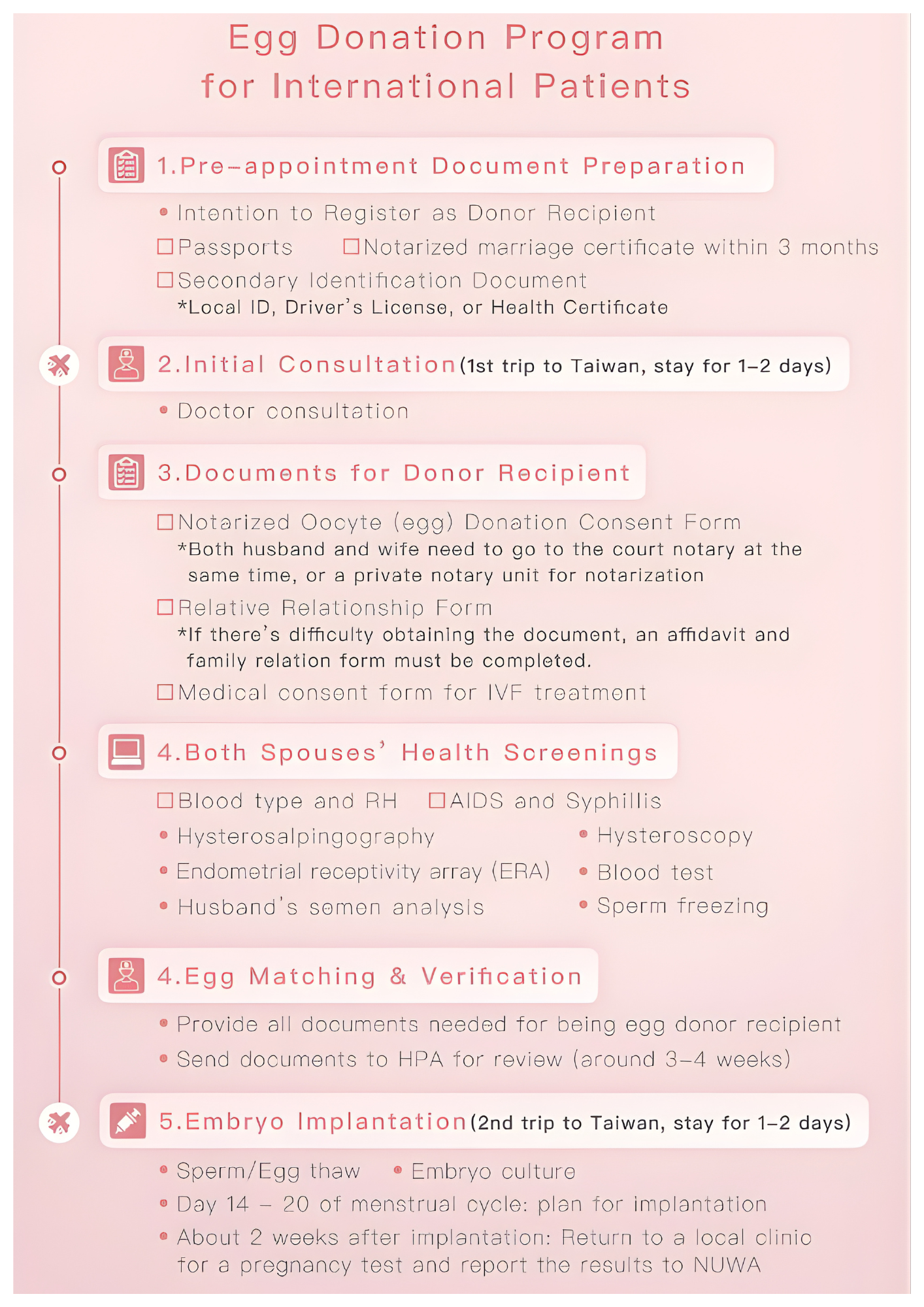
✅ Click here to learn more details about the whole egg donation treatment process at NUWA
4. Cost of egg donation in Taiwan compared to the US and other Asian countries
The United States is the most common destination for egg donation, with treatment costs ranging from approximately NT$1,310,000 – 1,813,000 (USD 41,800 – 57,900) on average. However, when factoring in accommodation, travel, and other living expenses, pursuing treatment in the US can become a very high-cost option, especially when couples are residing in Asian countries.Thailand offers egg donation at a slightly lower cost than in the US, roughly NT$605,000 – 810,000 (USD 19,300 – 25,800) on average, but the egg donation program is limited to Thai nationals, making it less accessible for international patients.Taiwan, on the other hand, provides the most cost-effective solution, with treatment priced even lower between NT$570,000 – 630,000 (USD 18,150 – 20,050) at NUWA Fertility Center, while still offering world-class reproductive technology that is second only to the US. This combination of affordable cost, egg bank availability, and advanced medical standards makes Taiwan an increasingly popular choice for couples seeking egg donation in Asia.※Disclaimer: The prices listed above are estimates only and may fluctuate higher or lower depending on your personal condition, demands, and medication requirements. Price conversion may also fluctuate daily. Prices listed exclude transportation and accommodation.✅ Click here to speak with one of our specialist consultants about the treatment price range and personalized treatment schedule for FREE.
5. Why Recipients from Around the World Choose Taiwan for Egg Donation
A. Reputation for High-Quality Medical Care
Taiwan is recognized for its exceptional healthcare system. In the 2020 Global Healthcare Index, Taiwan ranked first with a score of 86.71, ahead of South Korea and Japan. The country’s hospitals and clinics are known for their strict hygiene standards, highly trained medical staff, and patient-centered care. Additionally, many clinics offer multilingual support, making treatment accessible and comfortable for international patients.B. Advanced Technology, Second Only to the USA
Taiwan excels in reproductive medicine, particularly in IVF. According to the “In Vitro Fertilization Country Implantation Rate Ranking” published by the Taiwanese Society for Reproductive Medicine, Taiwan ranks second globally with a 36.7% implantation rate, just slightly behind the United States at 37.5%. The country is also equipped with state-of-the-art laboratory facilities and the latest reproductive technologies, ensuring high success rates while providing advanced genetic testing options like PGT-A for embryo screening.C. Strict Regulations and Government Involvement Ensure Procedural Safety
Egg donation and IVF in Taiwan are strictly regulated by the government under the Assisted Reproduction Act. Clinics operate under official oversight from the Ministry of Health and Welfare, ensuring that all procedures comply with legal and ethical standards. This regulatory framework includes rigorous donor screening, mandatory documentation, and secure handling of genetic materials, giving patients both legal protection and medical safety during the entire treatment process.6. Advantages of NUWA Fertility Center
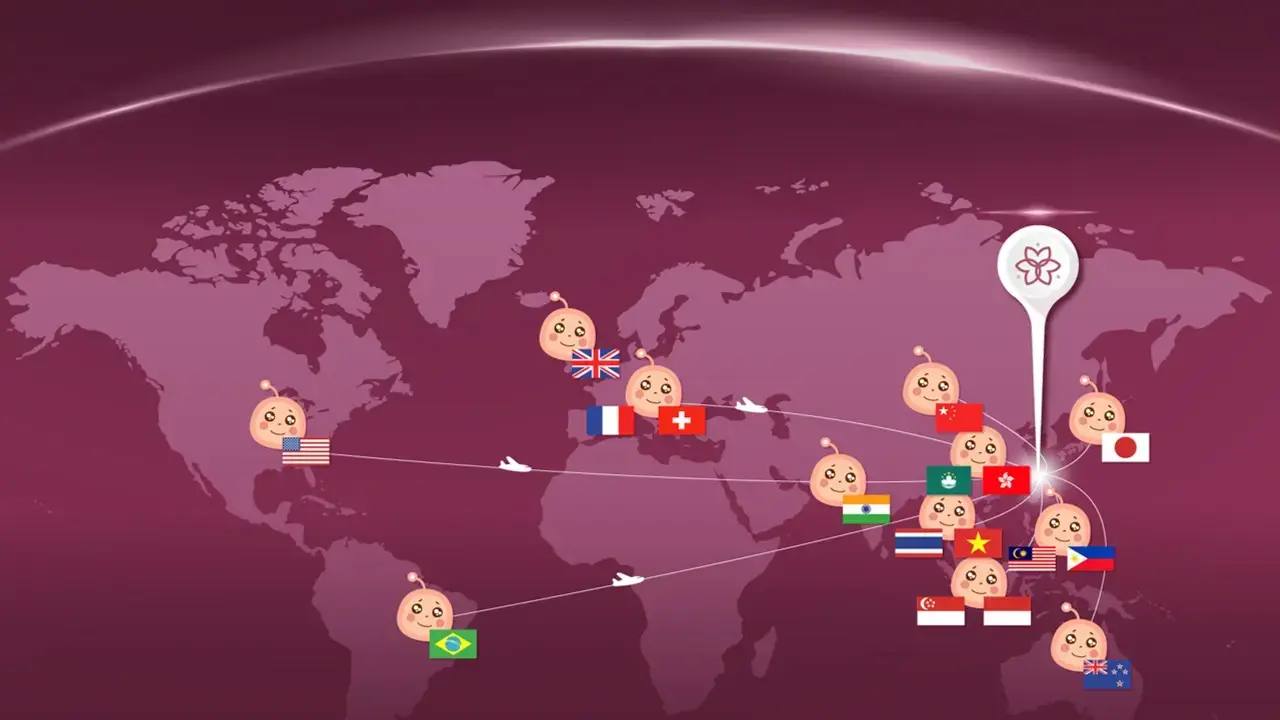
① Well-Equipped Facilities and Experienced Doctors & Embryologists
All of NUWA clinics in Taoyuan, Taichung, and Taipei are equipped with their own advanced laboratories. The embryo culture environment is optimized with a bipolar ion air purification system, and a 24-hour remote monitoring system ensures rapid response in the event of any abnormality. All fertilized eggs are cultured using time-lapse imaging to maximize success rates.In addition to state-of-the-art facilities, NUWA has doctors, nurses, coordinators, and embryologists who are experienced in treating patients residing overseas and specialize in personalizing treatment based on each patient’s availability, giving patients confidence in the flexibility of planning and scheduling their care.② High Success Rate and Trustworthy Technical Expertise
According to statistics from Taiwan's Health Promotion Administration in 2022, the live birth rate of IVF embryos conceived using donated eggs reached 42%. NUWA Fertility Center’s E-Health Medical database reports a 96.3% egg thawing survival rate, 99% embryo thawing survival rate (Both exceeding international standards of 80%), and 92% egg donor pregnancy success rate. Demonstrating advanced technology and commitment to high success rates, giving families, including international patients, peace of mind.③ Egg Bank Availability – A True One-Stop Clinic
NUWA Fertility Center operates its own egg bank, allowing the number of donor eggs to be known in advance and enabling treatment to proceed smoothly once procedures are complete. The clinic also has an in-house laboratory and pharmacy, making it a one-stop clinic where all procedures can be completed on-site efficiently.④ Multilingual Services for International Patients
All NUWA clinics in Taoyuan, Taichung, and Taipei have English-speaking counselors on-site. Egg donation involves procedures that may be unfamiliar to overseas patients, such as notarization, but NUWA staff provide translation support, including the notarization process, to ensure a smooth treatment course. Patients can also easily contact NUWA via email or WhatsApp during consultations, tests, and even after returning to their home country.2025.12.05
Fertility Resources
Egg Freezing in Taiwan for Foreigners | NUWA Fertility Center
Considering egg freezing abroad? Taiwan has become a top destination for women from Singapore, Malaysia, the Philippines, Thailand, and other Southeast Asian countries seeking safe, affordable, and advanced fertility preservation. NUWA Fertility Center offers comprehensive, foreigner-friendly egg freezing services with world-class care.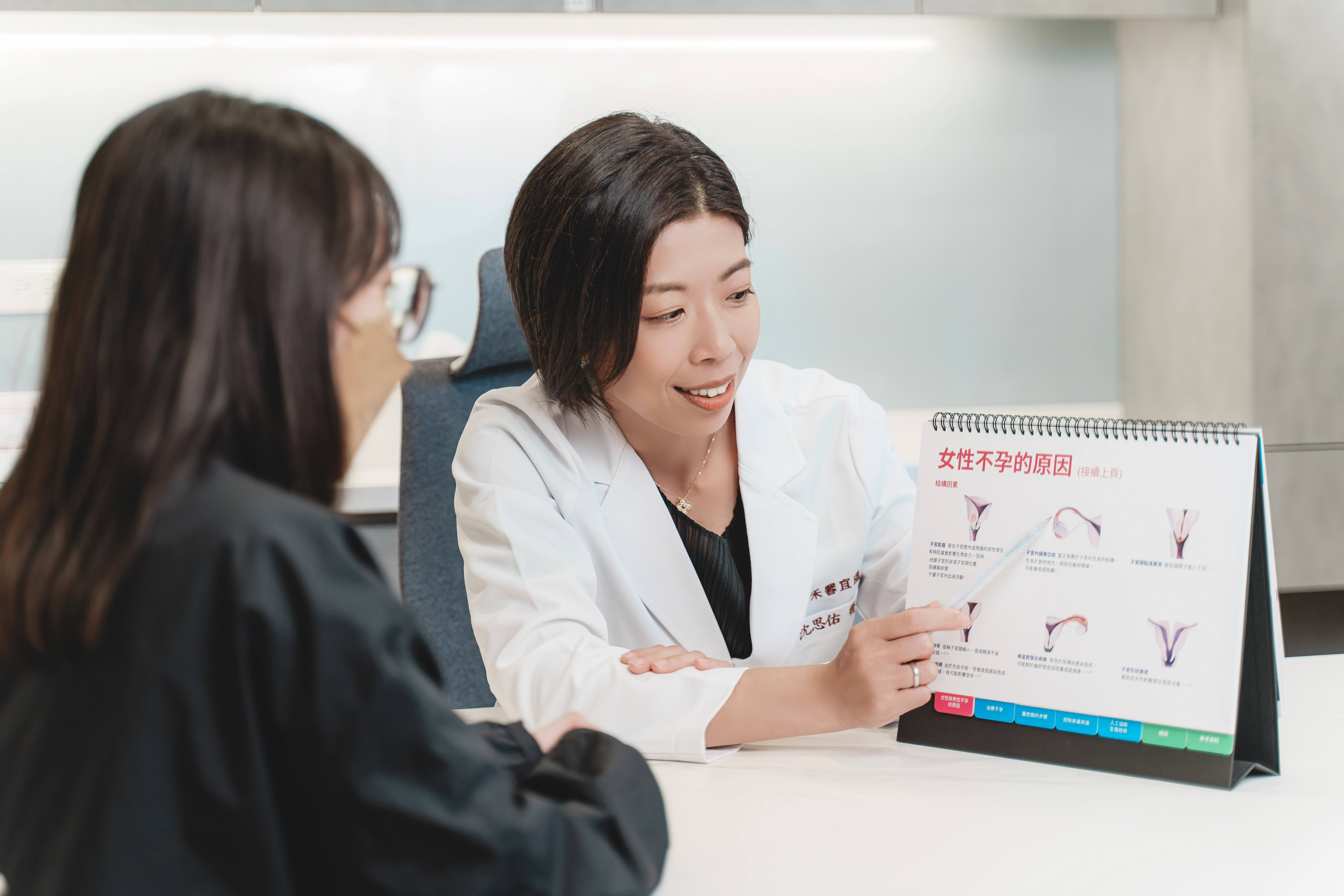
Why Freeze Your Eggs?
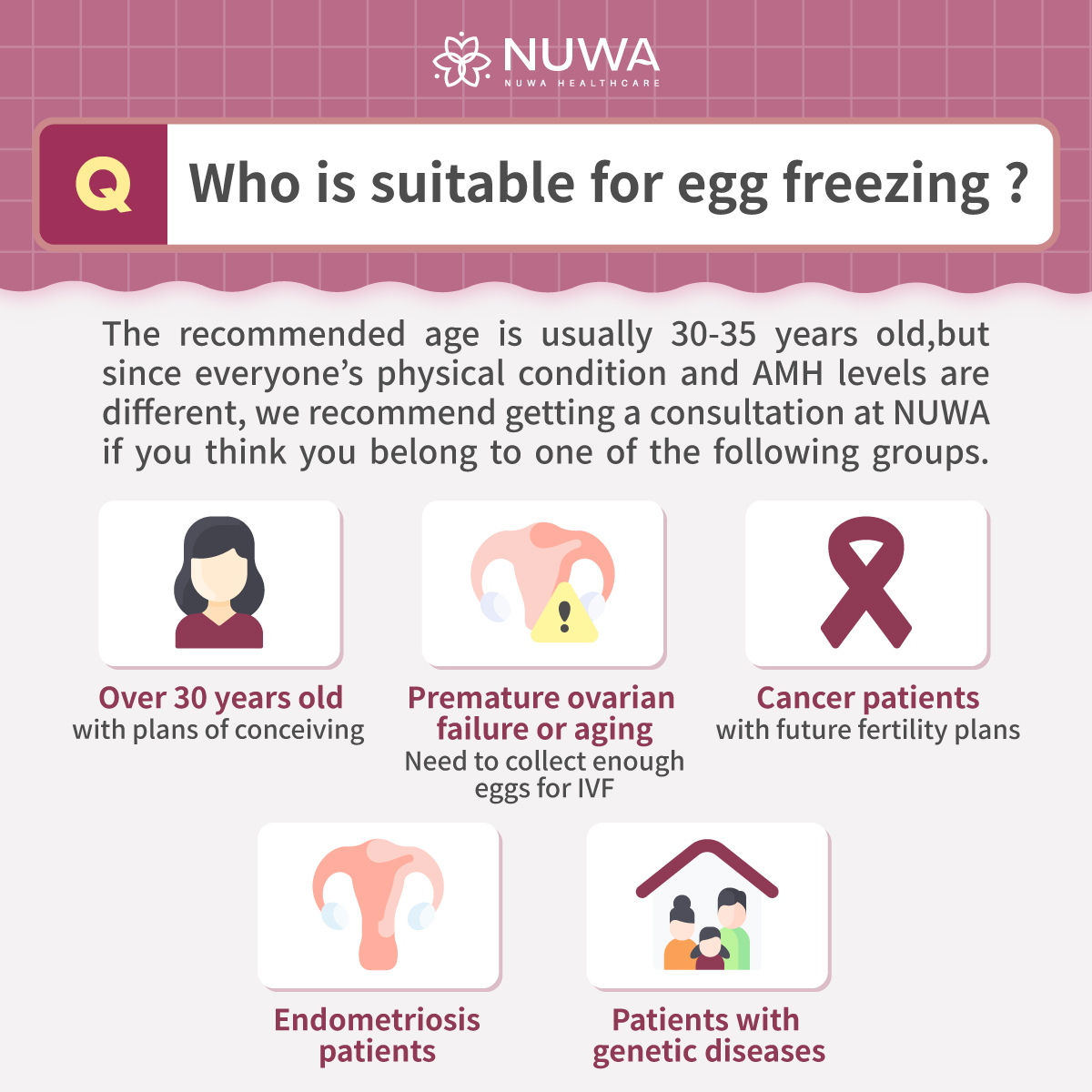
Egg freezing (oocyte cryopreservation) empowers women to take control of their reproductive future. Whether you're not ready to start a family or facing medical challenges, fertility preservation allows you to safeguard your chances of having biological children later.🔹 Ideal Age for Egg Freezing:Women between 30 and 35 years old benefit the most, as egg quality and quantity are optimal. After 35, both decline—more rapidly after 38.Generally speaking, if a woman is in good physical condition and has sexual intercourse during her ovulation period, there is a 50% chance of getting pregnant between the ages of 20 and 25, a 40% chance between the ages of 26 and 35, and a 30% chance between the ages of 36 and 40.🔹 Recommended for Women Who:- Cancer patients with future fertility plans
- Over 30 years of age, who will not rule out having children in the future
- Premature ovarian failure or aging, need to collect a sufficient number of eggs for IVF treatment
- Endometriosis patients
- People with a family history of genetic diseases
Egg Freezing Procedure at NUWA
The egg freezing process at NUWA typically takes 10–14 days and involves five steps: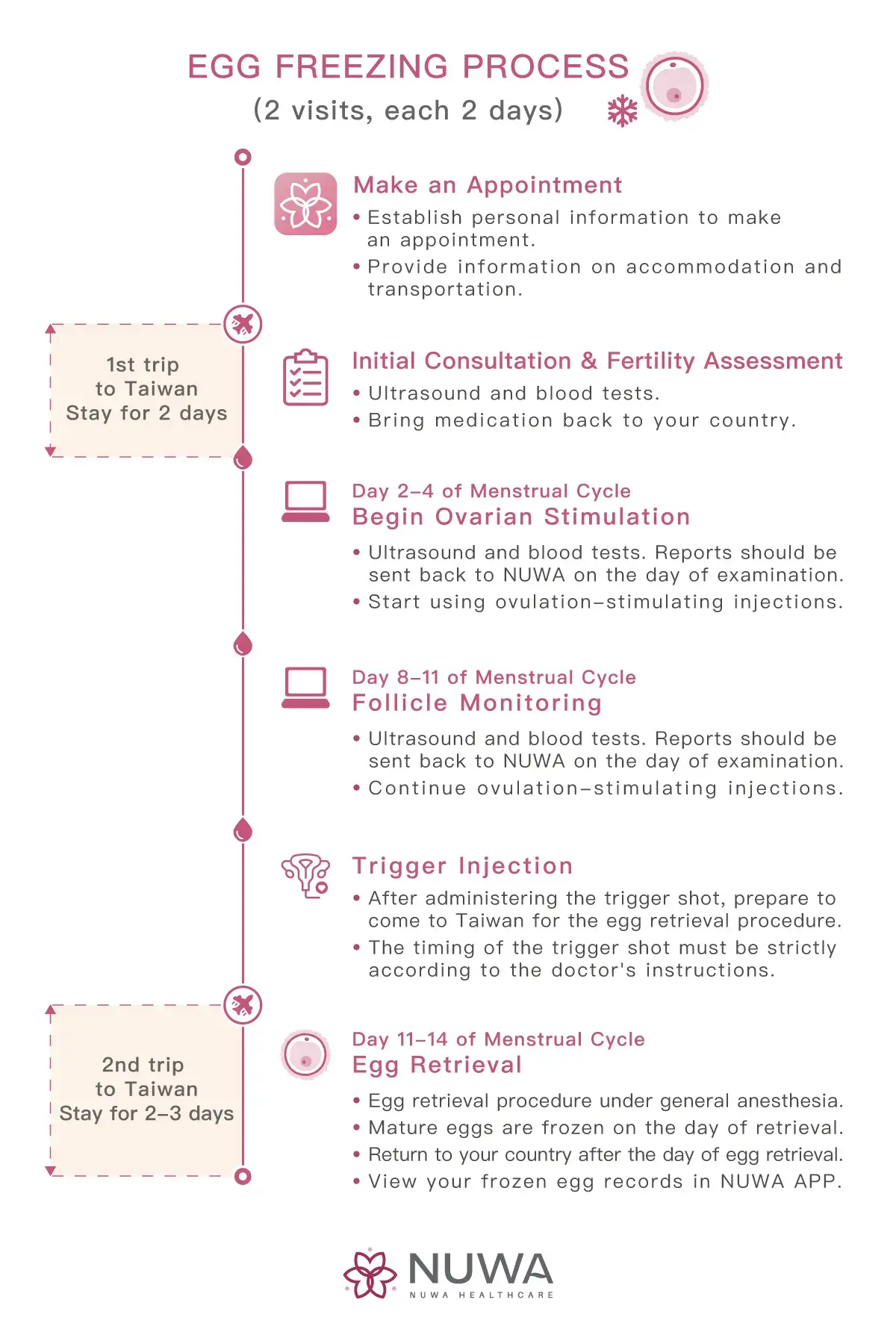 STEP 1: Make an appointmentMake an appointment to see your doctor and inform them about your condition so the doctor can evaluate your condition and assist you in scheduling your treatment.
STEP 2:Return to the clinic during the menstrual cycle
Return to the clinic on the 2nd to 3rd day of the menstrual cycle. Blood tests and an ultrasound will be performed before the egg-freezing treatment begins.STEP 3:Ovulation induction
After beginning treatment, according to the doctor's diagnosis, ovulation injections or ovulation medication will be administered to induce ovulation, and about 2 visits will be scheduled for ultrasound examinations.STEP 4:Egg retrieval procedure
Egg retrieval surgery is scheduled around the 11th to 14th day, and an ovulation trigger shot will be given before the procedure (34 to 36 hours before the procedure).STEP 5:Egg freezing
Finally, the eggs will be frozen according to their maturity level. If you freeze your eggs at NUWA Fertility Center, you will be able to find out the number of eggs you have frozen on your NUWA Fertility Center APP.Track your egg count and progress easily via the NUWA Fertility Center mobile app.Egg Freezing Cost in Taiwan
For international patients planning to undergo egg freezing treatment at NUWA, the cost ranges from NT$140,000 to NT$180,000, which includes medication and one year of storage. Costs vary depending on ovarian function, medication, and your personalized treatment plan.*International patients refer to those who do not possess a Taiwanese passport or a Taiwanese National ID.💡 Compared to egg freezing prices in Singapore, Malaysia, or Thailand, Taiwan offers excellent value with international-quality standards.Are There Any Long-Term Side Effects From Egg Freezing?
When considering egg freezing, many people worry about possible long-term effects or risks. In reality, most women recover quickly and return to their daily routines soon after the procedure. The discomforts that do occur are usually temporary and resolve on their own.The most commonly discussed risk is Ovarian Hyperstimulation Syndrome (OHSS). However, the actual incidence is low—less than 5%. OHSS is more likely to occur in women who are younger, leaner, have polycystic ovary syndrome (PCOS), or have more than 15–20 follicles. Most cases resolve within a few days. Some may experience bloating, nausea, vomiting, or dizziness, and only a very small number require short-term hospitalization.Another concern some women have is ovarian torsion.This condition is extremely rare. It can occur when the ovaries temporarily enlarge from stimulation medications. During this time, intense physical activity or trauma may cause the ovary to twist, leading to sudden, sharp abdominal pain. Although the likelihood is very low, doctors typically advise avoiding high-impact activities such as jumping, running, or vigorous yoga during the stimulation phase. If severe, persistent abdominal pain suddenly appears, immediate medical evaluation is necessary.Overall, with close monitoring by your physician and individualized medication adjustments, egg freezing is considered a relatively safe procedure. Understanding the risks and taking proper precautions can help you prepare with confidence and move forward with peace of mind.FAQs
Q1: How many eggs do you need to freeze to ensure it’s enough?
The quality of eggs decreases with age, and the older you get, the more eggs you would need to freeze if you're planning on expanding your family. According to the experience of our doctors at NUWA Fertility Center, the success rate of pregnancy is 70%:- At 35 years old, you need about 8 eggs.
- At 38 years old, you need about 20 eggs.
- At 40 years old, you need about 35 eggs.
However, we are reminded that the above figures are based on planning for the birth of one child in the future. If you want to have a second or third child, you will need to freeze more eggs.Q2: Will freezing my eggs speed up menopause?
No. Egg freezing doesn’t deplete your natural egg reserve. It simply matures eggs that would have naturally disintegrated in that cycle.Egg freezing treatment is to induce ovulation through drug stimulation, so that other follicles that would have naturally shrunk during the cycles will have a chance to grow and, therefore, will not cause menopause to come early!Q3: Where are my eggs stored?
All eggs are preserved in -196°C liquid nitrogen tanks under 24/7 surveillance with NUWA’s centralized monitoring system, ensuring the highest safety standards.Q4: Are There Consequences that Comes With Egg Freezing?
While mild bloating or nausea may occur, serious complications are rare (<5%). NUWA doctors closely monitor your health throughout the cycle.Q5: Are there government subsidies?
Yes! As of 2025, egg freezing subsidies are available in New Taipei City, Taipei City, Taoyuan, Hsinchu, Taichung, and Hualien for eligible residents. These local government programs aim to support women who wish to preserve their fertility through oocyte cryopreservation (egg freezing).Each city may have slightly different eligibility requirements, subsidy amounts, and application procedures, so we recommend checking with the local Public Health Bureau or contacting NUWA Fertility Center for the most up-to-date details.“2026 Taiwan Egg Freezing Subsidy Program: Eligibility, Application Steps, and Costs”Why Choose NUWA Fertility Center?
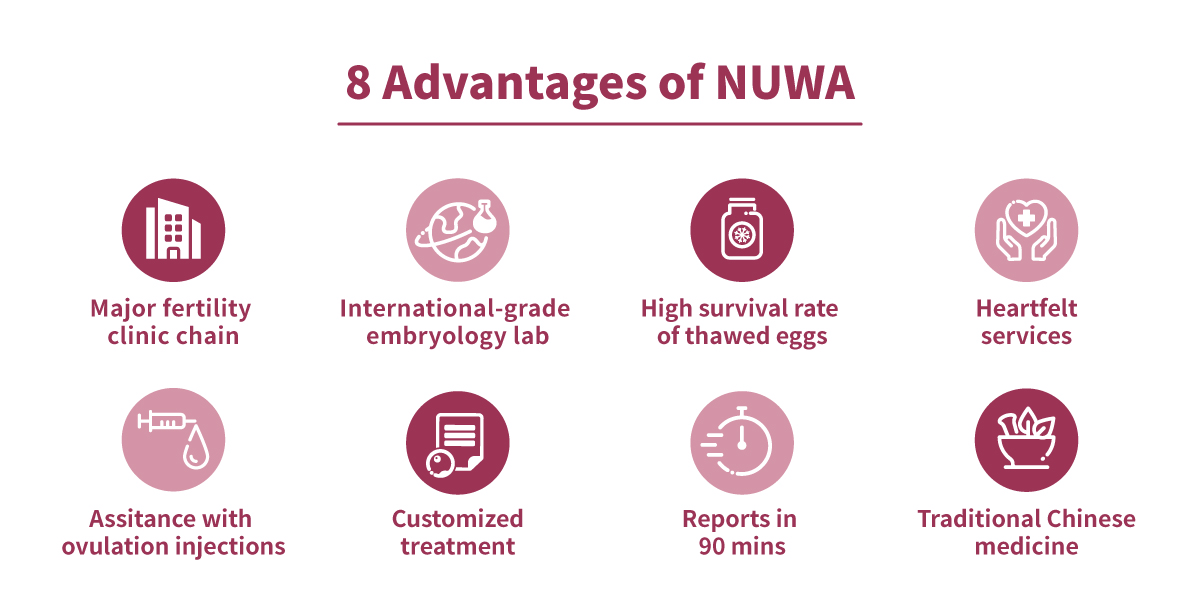
8 Key Advantages:- Taiwan’s Leading Fertility Chain – Clinics in Taipei, Taoyuan, and Taichung.
- International-Standard IVF Labs – Embryologists with 24/7 monitoring systems.
- 96.3% Egg Survival Rate – High post-thaw viability thanks to expert vitrification techniques.
- Privacy & Comfort – Boutique-style clinics designed for relaxation and discretion.
- In-House Injection Support – Personalized guidance for ovulation medication.
- Fast Results – AMH blood test results available in 90 minutes.
- Custom Treatment Plans – Flexible, including long-acting hormone injections.
- Traditional Chinese Medicine Integration – TCM doctors assist with womb and egg health. Traditional Chinese Medicine Integration – TCM doctors assist with womb and egg health.
Egg Freezing in Taiwan: The Smart Choice for Southeast Asian Women
Women and couples from Singapore, Malaysia, the Philippines, and Thailand are choosing Taiwan for egg freezing due to:- Lower cost compared to that of their home countries’
- Advanced medical facilities with English-speaking staff
- Seamless coordination between Western and Chinese medicine
- Short travel time and friendly visa policies
Ready to Freeze Your Eggs in Taiwan?
Whether you're still exploring your options or ready to start, NUWA Fertility Center provides professional care, clear communication, and unwavering support.- Book a Consultation Online
- Chat with our International Patient Coordinator
- Learn More about NUWA’s Fertility Services
Preserve your fertility before it's too late. NUWA Fertility Center is here to help you plan for the family you may want tomorrow—starting today.Author's InformationNUWA Fertility CenterWith many infertility experts and more than 10,000 doctors with successful IVF experience, the company has 5 clinics, including 3 high-specification IVF reproduction centers, 2 TCM centers, and 3 international embryo laboratories, which are located in Taipei, Taoyuan, and Taichung.Main Services: Infertility treatment, IVF, artificial insemination, egg freezing, egg borrowing, and pregnancy preparation. In 2021, NUWA Healthcare will formally cooperate with Dianthus Medical Group to provide one-stop integrated services from preparation, pregnancy, labor, and postpartum care, which will bring the greatest convenience to the patients.👉Learn more about NUWA Healthcare2025.04.28
Fertility Resources
2026 IVF Subsidy Program for Infertility Treatment
2026 IVF Subsidy 3.0 and Infertility Subsidy Latest Plans! Eligibility, Amount, and Process All at a Glance
The government’s “Three Fertility Support Programs” will be rolled out in phases, expanding support for cancer patients, couples trying to conceive, and growing families.The most anticipated update — IVF Subsidy 3.0 — will officially take effect on November 1, 2025, with upgraded subsidy amounts and expanded eligibility requirements.Quick Overview of the Three Fertility Support Programs1. Medical Fertility Preservation Subsidy (Starting 9/1/2025)Cancer patients (such as those with breast cancer or hematologic cancers) may apply for subsidies covering egg retrieval or sperm retrieval procedures and related fertility preservation treatments.2. Infertility IVF Subsidy 3.0 (Starting 11/1/2025)Higher subsidy amounts, with the ability to reapply for each pregnancy.3. Expanded Childbirth Subsidy — Up to NTD 100,000 per Child (Starting 1/1/2026)Available regardless of whether infertility treatment was required, with a maximum subsidy of NTD 100,000 per child.4. One embryo at a time, for the health of both mother and babyUnder 38 years old: up to 1 embryo may be transferred38 to under 45 years old: up to 2 embryos may be transferredNote: The relaxed limit on the number of embryos transferred applies to those undergoing embryo transfer starting from April 1, 2026
Infertility IVF Subsidy 3.0: Key Highlights of the Latest Program
Starting November 1, 2025, the government is launching the upgraded “IVF Subsidy 3.0.” Compared to the previous version, it offers higher subsidy amounts and more supportive policies.(1) Earlier Use, Higher SupportUnder 39 years old (first application): Up to NTD 150,00039 to under 45 years old (first application): Up to NTD 130,000(2) Continued Support if the First Attempt Is UnsuccessfulUnder 39 years old: For the 2nd and 3rd treatment cycles of each pregnancy, up to NTD 100,000 per cycle39 to under 45 years old: For the 2nd and 3rd treatment cycles of each pregnancy, up to NTD 80,000 per cycle(3) Support for Multiple ChildrenNot limited to the first child.For the 2nd and 3rd child, subsidy amounts follow the same structure as the first child.Example:If under 39 years old, the subsidy for the first treatment cycle of the second child has increased from NTD 100,000 to up to NTD 150,000.(4) One Embryo per Cycle for Safer PregnanciesUnder 39 years old: Maximum of 1 embryo per transfer39 to under 45 years old: Maximum of 2 embryos per transferThree Fertility Support Programs: Medical Fertility Preservation Subsidy (Starting 9/1/2025)
In addition to the IVF subsidy, the government is also extending support to cancer patients through the “Pilot Medical Fertility Preservation Subsidy Program” (effective September 1, 2025):Eligibility:Taiwan nationals aged 18–40 diagnosed with breast cancer or hematologic cancersSubsidy Amounts:Women: Up to NTD 70,000 per egg retrieval cycleMen: Up to NTD 8,000 per sperm retrieval and preservation procedureSubsidy Limit:Up to 2 times per person in a lifetimeIt is estimated that 600 cancer patients will benefit in the first year.This subsidy ensures that patients undergoing cancer treatment can still preserve their hope for future parenthood.📌 Note: According to the Health Promotion Administration (HPA), due to the urgency of medical treatment and the time-sensitive nature of fertility preservation, procedures under the Medical Fertility Preservation Subsidy must be performed at institutions that are:Contracted assisted reproductive centers approved by the HPA, and accredited hospitals for cancer treatment quality certification.👉 For detailed regulations and the list of eligible hospitals and institutions, please refer to the Health Promotion Administration’s official information on the Medical Fertility Preservation Subsidy.Three Fertility Support Programs: Expanded Childbirth Subsidy — NTD 100,000 per Child (Starting 1/1/2026)
To address the declining birth rate, the government has introduced the “Three Fertility Support Programs,” including an expanded childbirth subsidy scheduled to take effect on January 1, 2026.Eligibility:Taiwanese national women (including foreign spouses married to Taiwanese citizens) who give birth.Subsidy Details:Each child is eligible for a combined total of NTD 100,000, which includes childbirth benefits plus the new childbirth subsidy.For twins or multiple births, the amount will be increased proportionally.Disbursement Method:The subsidy will be issued together with Labor Insurance maternity benefits by the Bureau of Labor Insurance. No separate application is required.Expanded Infertility IVF Subsidy Update! Old vs. New Comparison at a Glance
Since 2021, the government has implemented the “Infertility IVF Subsidy 2.0.” As of August 2025, the program has helped 26,000 couples welcome 30,000 babies.To further reduce the financial burden on families, the government will launch the upgraded “Infertility IVF Subsidy 3.0” starting November 1, 2025.According to statistics from the Health Promotion Administration (HPA) as of July 25, 2025, there are 104 contracted assisted reproductive institutions nationwide providing services under the program.👉 Wondering what the differences are in the new version? Below is a clear comparison of Subsidy 2.0 vs. Subsidy 3.0, so you can quickly understand the key updates at a glance!Item Subsidy 3.0 (2025/11) Subsidy 2.0 First-time subsidy amount per birth < 39: Up to NT$150,000
39 ~ < 45: Up to NT$130,000Up to NT$100,000 Amount for the second or third pregnancy < 39: Up to NT$100,000
39 ~ < 45: Up to NT$80,000Up to NT$60,000 Amount for the fourth to sixth pregnancy < 40 years old: Up to NT$60,000
(For those aged 40 to 45, subsidies are only provided for the first three times)< 40 years old: Up to NT$60,000 Low-income and lower-middle-income households Up to NT$150,000 Up to NT$150,000 Medical fertility preservation subsidy
Patients with breast cancer or blood cancer can applyNone 📌 Important Reminder:The number of subsidy cycles is recalculated based on the number of live births achieved with subsidy support. If the first child is successfully delivered, the second and third child may still apply for the IVF Subsidy 3.0 again, based on the applicant’s age at the time of the new application.💡 Example:If Ms. A was 38 years old when applying for the first subsidy cycle for her first child, but had turned 39 when applying for the second cycle for the same pregnancy, the maximum subsidy for that second cycle would be NTD 100,000 (calculated based on her age being under 39 at the time of the first application for that pregnancy).📌 The table provided lists the maximum subsidy amount per pregnancy and per treatment cycle. The actual subsidy granted will be determined according to the individual’s treatment plan and verified medical expenses.⚠️ For detailed regulations and official subsidy terms, please refer to the government’s formal announcements and official documentation.Prospective Patients & Qualifications
IVF Subsidy Qualifications- One of the spouses must be of Taiwanese citizenship
- The wife must be under 45 years old
- Married couples who have been diagnosed with infertility at reproductive institutions, and would need to undergo IVF treatment.
How Are IVF Subsidy Cycles Calculated? It Depends on Age
To encourage earlier access to assisted reproduction, the government’s IVF Subsidy 3.0 lowers the eligible age threshold and sets different maximum application cycles per pregnancy based on age group.Women's Age Number of times a subsidy be applied for per birth < 40 years old Up to 6 times 40 ~ < 45 years old Up to 3 times 📌 Reminder:The number of subsidy cycles is calculated based on the number of live births achieved with subsidy support. This means that if the first treatment successfully results in childbirth, you may reapply for a second child based on your age at that time.💡 Example 1:Ms. B began IVF treatment in February 2026 at age 38.At that time, the maximum number of subsidy cycles per pregnancy was 6 cycles.If she decides to have a second child after turning 40, the maximum number of subsidy cycles would then be adjusted to 3 cycles, based on her new age group.💡 Example 2:Ms. C was 39 years old when applying for the first subsidy cycle for her first child.If she turned 40 when applying for the second cycle for the same pregnancy, she would still be eligible for up to 6 total cycles for that pregnancy (including the first application at age 39).In other words, after turning 40, she could still receive subsidies for up to 5 additional cycles, reaching the total maximum of 6 for that pregnancy.4 Steps For IVF Treatment
How does the application for the program work? Below are 4 steps that will guide you to receiving the treatment and applying for the program.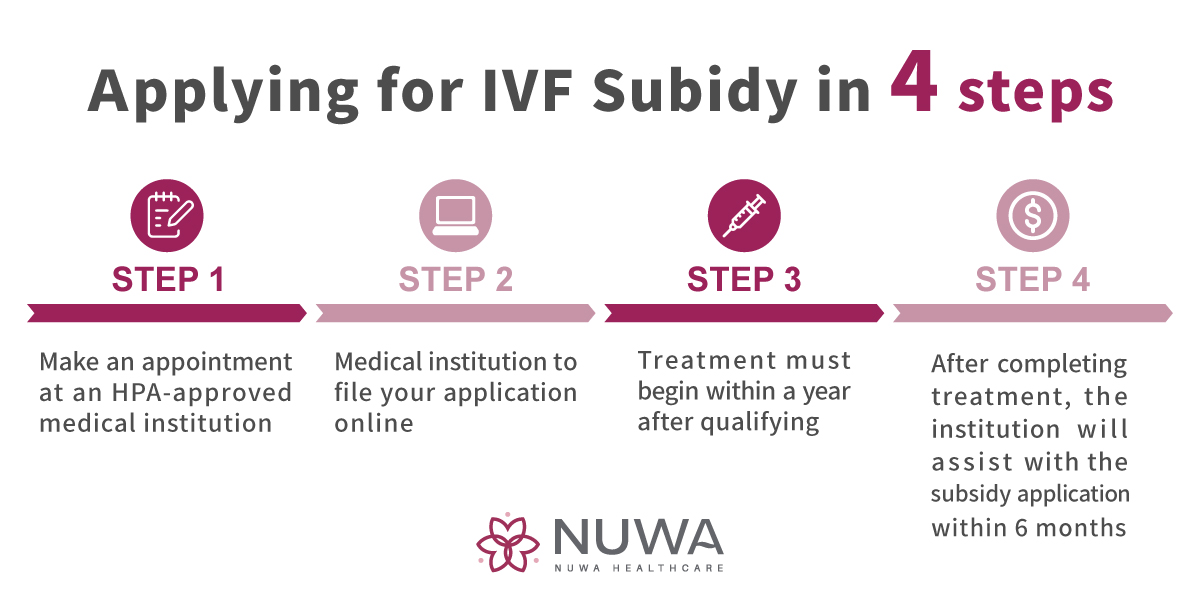 STEP 1. Make an appointment at an official reproductive institutionCouples who are diagnosed with infertility would need to consult with a specialist from a reproductive institution from Taiwan’s HPA.STEP 2. The institution will file your application onlineAfter verifying that the couple is eligible for the subsidy, the institution will apply for you online.STEP 3. Treatment must begin within a year of qualifyingOnce the subsidy amount and qualifications are confirmed, couples must begin treatment within a year.STEP 4. An appointed specialist from the institution will assist you in applying for the subsidyOnce the treatment is completed, institutions will apply online for the subsidy within 6 months. Once everything is verified, the subsidy amount will be directly wired to the recipient’s designated bank account.
Q&A
Q1: When will I receive the subsidy?
Once the application is completed, you will be able to receive the subsidy amount after a month. If you want to understand the details, you can check your status by entering the wife’s ID and your designated serial number through “IVF Subsidy Program Status Update.”Q2: If I freeze my eggs before the program, and will need to thaw then inseminate the egg, how much will the subsidy amount be?
As this treatment only involves “implantation,” the subsidy will only cover the embryo implantation. For first-time applicants, the subsidy amount will be NT$30k; for return applicants, the subsidy amount will be NT$20k.Q3: Is this subsidy program only applicable for the first pregnancy?
There’s no restriction as to being only applicable for the first pregnancy! As long as you qualify for the subsidy, you can apply.Q4: What are some of the reproductive institutions the program works with?
As listed on Taiwan’s HPA’s website, 100 reproductive clinics are cooperating as of March 5th, 2024.NUWA Fertility Center is a medical institution that focuses on women’s managed care. Offering a compassionate and empathetic all-female staff allows each woman to consult their doctors without inhibitions. NUWA provides a one-stop service to all, and with personal embryologists caring for every single embryo under the most advanced technology, our clinic aims to help every couple achieve their dreams of parenthood.If you’re interested or have any questions regarding IVF treatments or the subsidy program, please fill out this consultation form, and our team members will get back to you as soon as possible! You are also more than welcome to come in for a consultation👉 Book OnlineAuthor's InformationNUWA Fertility CenterWith many infertility experts and more than 10,000 doctors with successful IVF experience, the company has 5 clinics, including 3 high-specification IVF reproduction centers, 2 TCM centers, and 3 international embryo laboratories, which are located in Taipei, Taoyuan, and Taichung.Main Services: Infertility treatment, IVF, artificial insemination, egg freezing, egg borrowing, and pregnancy preparation. In 2021, NUWA Healthcare formally cooperated with Dianthus Medical Group to provide one-stop integrated services for preparation, pregnancy, labor, and postpartum care, which will bring the greatest convenience to the patients. 👉 Learn more about NUWA Healthcare2025.02.20
- One of the spouses must be of Taiwanese citizenship
TCM Resources
The “Facial Acupuncture for Charm and Elegance (F.A.C.E.)” Effect
What are the results for F.A.C.E.? Will the treatment hurt? Who’s suitable for it? Societal beauty standards have been changing, whether through skincare or aesthetic medicine. Aside from them, do you know what F.A.C.E. is? Let’s dive in and read through what its principle is, its precautions, and everything in between!
What is F.A.C.E.?
Facial Acupuncture for Charm and Elegance, or F.A.C.E. in short, originated in Korea, one of the most popular places for aesthetic medicine. The founder of F.A.C.E. is the Korean professor Dr. Song Jhen Han, who used TCM to provide a non-invasive way to remodel facial features and shape without using injections or medications. The technique is deeply rooted in using hair-like needles to target fascia, muscles, and ligaments to improve circulation and lift facial lines through acupuncture. Aside from aesthetic purposes, F.A.C.E. is also used to alleviate pain and improve insomnia. It is an elegant and special technology that is loved by Japanese celebrities and Youtubers!Principles & Result Analysis
TCM acupuncture’s main principle is to use acupuncture needles to improve and circulate the blood and qi within the body. It can be used to cure diseases or alleviate symptoms. F.A.C.E. integrates both Chinese medicine and Western technology to create a treatment that focuses on the head and face. Through F.A.C.E., these can be achieved:- Muscle relaxation
- Restore muscle elasticity
- Lift facial lines
- Reduce fine lines
- Lift facial shape
It is recommended to those, especially with uncoordinated facial expressions; that F.A.C.E. will be able to balance the tension of the right and left facial muscles.Who is Suitable for F.A.C.E.?
F.A.C.E. is suitable for all skin types, whether it’s oily, dry, or combination skin. It is also suitable for men and women of all ages, but those with skin lesions or conditions must inform their doctor first to avoid any complications. Let’s talk about who is and isn’t suitable for F.A.C.E. in detail below: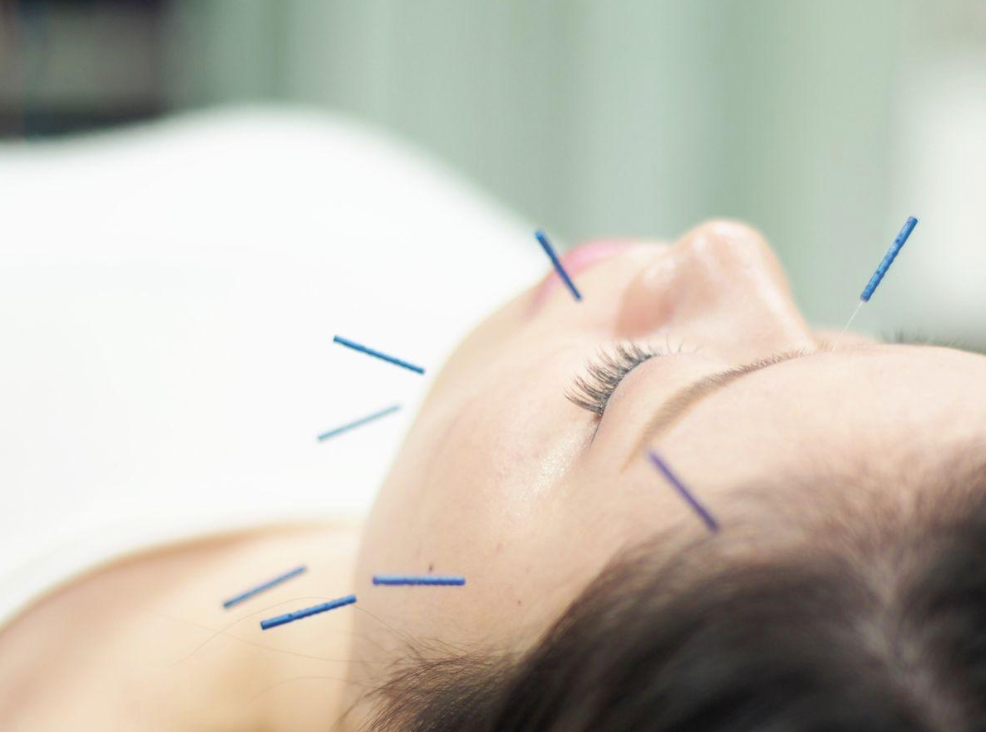 TCM F.A.C.E. is suitable for those who have:✅ Sagging jowls✅ Asymmetrical face✅ Overactive masseter muscles✅ Tight scalp✅ Stress and migraines✅ Poor sleep quality✅ Reduce fine lines: nasolabial folds, crow’s feet, etc.
Not Suitable For 4 Groups:
⚠️ Women whose menstrual cycle starts 1-3 days beforeWomen's qi and circulation are usually weaker right before menstruation. Since everyone is different, it is still recommended to consult your physician before treatment.⚠️ Those who’ve done facial threading, laser treatments, etc.It is best to avoid F.A.C.E. treatments for those who’ve done aesthetic medical treatments recently, especially fillers or invasive facial treatments. On the other hand, F.A.C.E. is fine after treatments like Pico laser or spot removals, but it is still recommended that any treatments are disclosed to the doctor before getting the desired result. On top of that, some people would go above and beyond, and get Thermage FLX once a year and F.A.C.E. every month as maintenance and self-care.⚠️ Those with recent public appearancesF.A.C.E. can very rarely cause bruising sometimes. Those who need to show their face in public appearances, or have any important plans in 2 weeks, are recommended to avoid F.A.C.E. treatments to prevent swelling during public appearances.⚠️ Those with an open wound, inflammation, or swellingAside from having an open wound, inflammation, or swelling, those with conditions such as lymphedema, poor blood clotting, (ex: hemophilia, taking anticoagulant medications), serious illnesses, chronic diseases (ex: diabetes), and those who are faint around needles are not recommended for F.A.C.E.!Are There Side Effects?
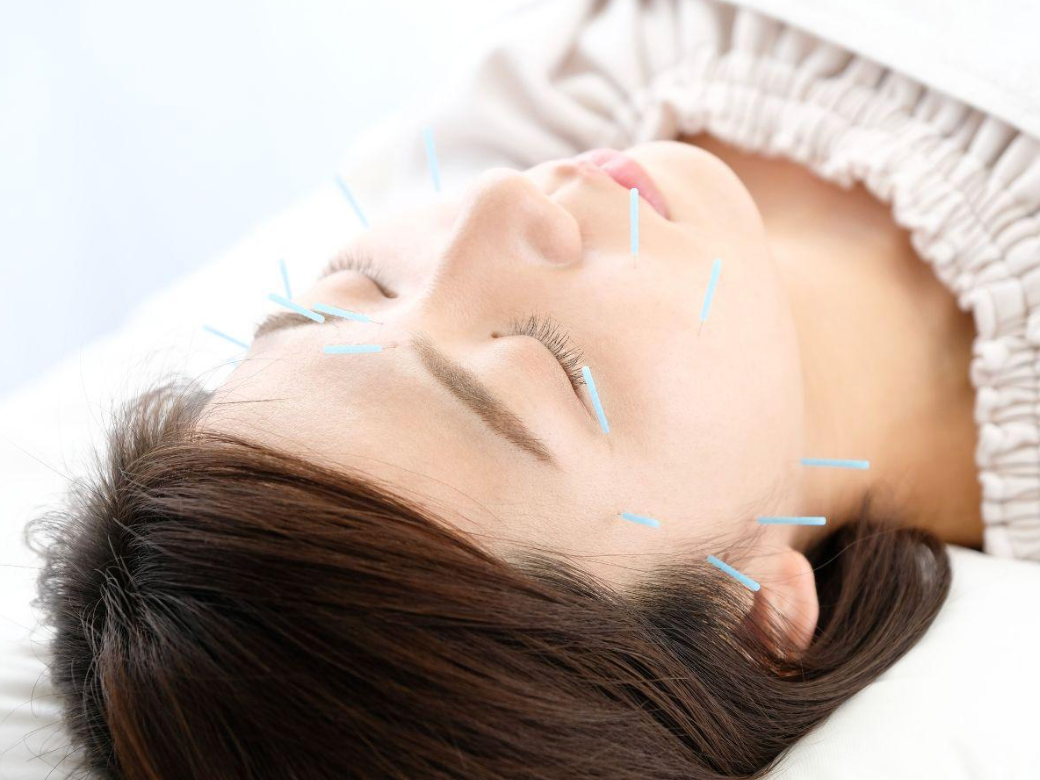 F.A.C.E. is a noninvasive procedure, and it uses extremely fine microneedles that latch onto the scalp and face. Every needle’s direction, depth, and angle is different for everyone, and it stimulates the deeper muscles and fascia of superficial skin and meridians. Even though the microneedles are tiny and the probability of bleeding and scarring is low, there are sometimes cases of bruising or swelling, so it is best to avoid rubbing or kneading the skin for 2 days.
Need-To-Know for the Best Result!
 After the F.A.C.E. procedure, it is normal to experience a slight hot and heated sensation for a couple of hours. After that, it is also normal to experience facial tightness and soreness while making expressions for a few days. Below are 3 stages of the treatment, and let’s dive into the do’s and don’ts of each step.Before:
- Test well and get a good night's sleep the night before
- Please avoid makeup or put on light makeup the day of treatment, sunscreen or toner would suffice. You would need to thoroughly wash your face before treatment to prevent infection.
- Please inform your doctor if you have bloodborne infectious diseases (ex: Hepatitis B, C)
During:- Avoid making big facial expressions
- Please inform the doctor if you experience any dizziness, chest tightness, sweating, difficulty breathing, continuous pain, or any discomfort during the treatment
After:- Skin will appear radiant after treatment, but to prevent overexposure or sunburn, please apply moderate amounts of skincare and facemasks accordingly
- If there is bruising or swelling, please avoid rubbing for 2 days. You can use a hot compression 3 days after treatment and will disappear around 1-2 weeks
- If there’s slight bleeding after the treatment, please avoid contact with water for 2 hours
- If you experience swelling, pain, or discomfort, it is recommended to consult your physician
Extended Reading: TCM F.A.C.E. Procedure ExplainedFAQs
Q1: I’m scared of needles, does the treatment hurt?F.A.C.E. needles are slightly thinner than acupuncture needles, and even thinner than hair sometimes. It is best described as a mosquito bite most of the time, and most can barely feel the needles; it is usually widely accepted by everyone. There might be soreness and tightness if it is done on deeper fine lines on the face, but because it relaxes the head and scalp, a lot of patients will even fall asleep during treatment!Q2: Can I return to work right after the F.A.C.E. treatment?Of course! There is no recovery period for F.A.C.E., and you can put on makeup right after the treatment. It’s super convenient for office workers or new moms, providing a small window of relaxation for them!Q3: What’s the difference between F.A.C.E. and a regular aesthetic clinic? Which one yields a better result?Usually, aesthetic medicine treatments include: botox, facelifts, threading, fillers, etc., and are invasive most of the time. They all have higher levels of pain and costs despite seeing results immediately after. On the other hand, TCM F.A.C.E. uses a softer and more comfortable approach compared to that of aesthetic medicine. This is usually done routinely as maintenance and for longer-lasting results, and will be adjusted accordingly to your physical state by the doctor. It’s highly suitable for those who are scared of pain and desire natural beauty treatments that are lower in cost.TCM F.A.C.E. is a combination of aesthetic medicine technology and traditional Chinese medicine, a feature that is not seen in aesthetic medicine. Sometimes people use both kinds of treatments interchangeably to get their desired results!✨ To make an appointment for F.A.C.E.:Official LINE - NUWA TaipeiOfficial LINE - NUWA TaichungIf you want to know more about our clinics, please proceed to NUWA Healthcare’s website, where there is a detailed description of our clinics and services!Author’s InformationNUWA TCMNUWA’s TCM team boasts over 20 years of experience, with clinics in Taipei and Taichung. We offer an individual acupuncture room, prioritizing your privacy and comfort above all else. We hope we can provide even more comfort on this recuperating journey in our TCM clinic.Main Services: Infertility treatment, pregnancy preparation, pregnancy, postpartum care, miscarriages, menstrual pain, allergies, weight loss, F.A.C.E., sleep disorders, child growth and development, etc. 👉 Learn more about NUWA Healthcare2024.08.14
- Muscle relaxation
Fertility Resources
IVF in Taiwan: Process, Success Rate & Cost | NUWA Fertility Center
At NUWA Fertility Center, we support patients every step of the way through their IVF journey in Taiwan. Whether you're just starting to explore fertility options or have undergone treatments before, understanding the IVF process, success rates, and costs can help you make confident decisions. Here's what you need to know.What is IVF? IVF v.s. IUI
In vitro fertilization (IVF) is a process where eggs and sperm are retrieved and fertilized outside the body in a laboratory. The resulting embryo is then cultured for 3 to 5 days before being transferred back into the woman’s uterus. This method is especially helpful for couples facing complex fertility issues.In contrast, intrauterine insemination (IUI) - also referred to as artificial insemination -involves washing and preparing the partner’s sperm to isolate high-quality, motile sperm. The sperm is then directly inserted into the uterus during ovulation, aiming for natural fertilization within the body.The difference between In Vitro Fertilization, or IVF, and Artificial Insemination, or IUI, lies in the way they are performed.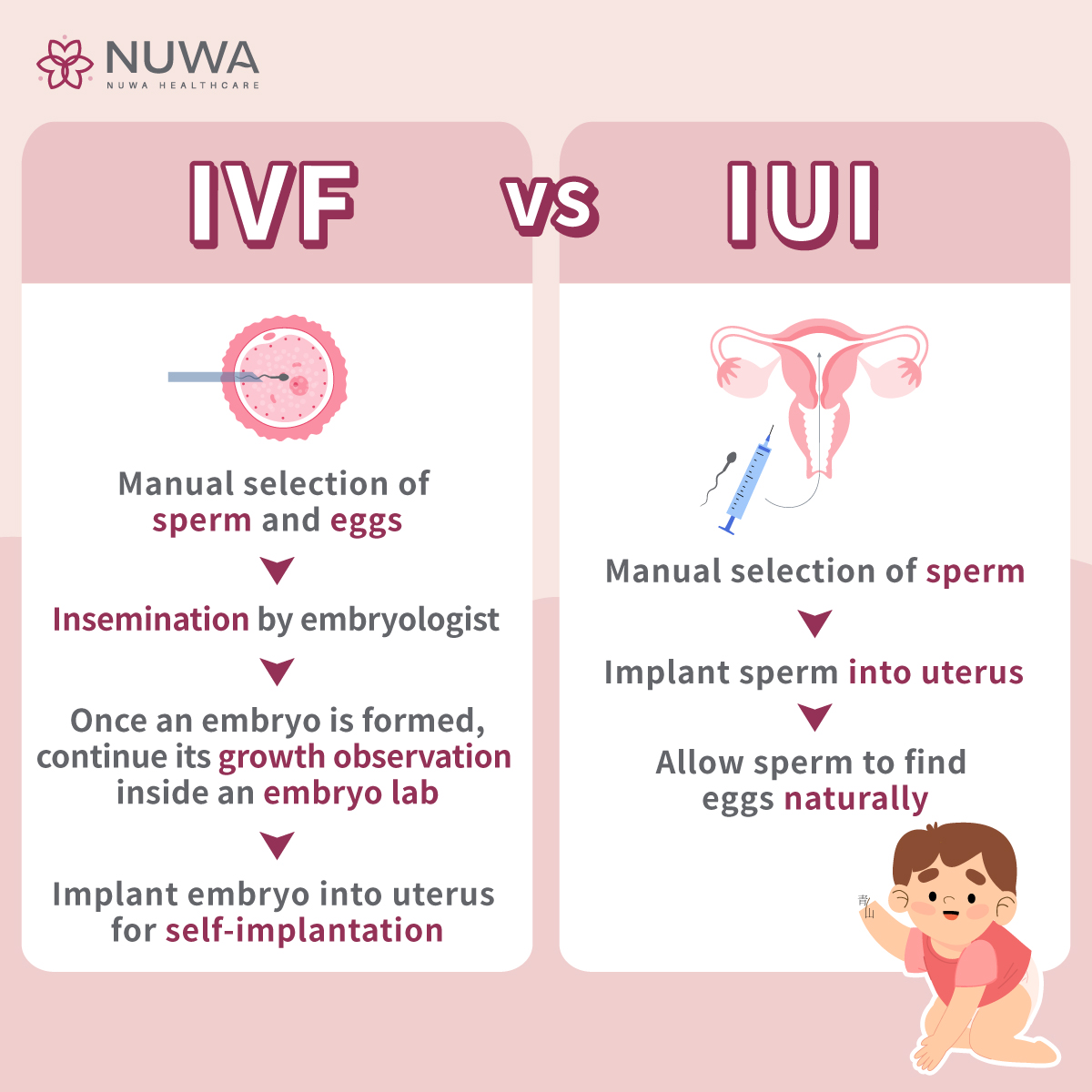
IVF vs. IUI Comparison Table
Feature
IVF (In Vitro Fertilization) IUI (Intrauterine Insemination)
Fertilization Process Eggs and sperm are fertilized outside the body in a lab under the supervision of embryologists
Sperm is injected directly into the uterus to fertilize the egg naturally
Embryo Development
Embryos are cultured for 3–5 days before transfer
No embryo culture; fertilization occurs inside the body Government Subsidy
Eligible for government subsidies in Taiwan (learn more in the next section) Not eligible for subsidies Success Rate Higher pregnancy success rate compared to IUI Generally lower success rate than IVF Average Cost in Taiwan Higher, but significantly supported by government IVF subsidies Lower, but no financial aid Currently, the government only subsidizes the cost of IVF, not IUI, so the difference in cost between the two is almost the same, but the average pregnancy rate between the two treatments is several times higher!Who is Suitable for IVF Treatment?
Who is suitable for IVF treatment? If you meet the following criteria, it is recommended that you seek professional advice.- Poor sperm quality
- Obstruction or edema of the fallopian tubes
- Moderately severe endometriosis
- Women over 38 years old
- Premature ovarian failure or extremely low AMH values
- Recurrent IUI failure
- Unexplained infertility
If you are under 34 years old and have not been able to conceive for one year, or 35 to 38 years old and have not been able to conceive for six months, or over 38 years old and still trying to conceive, and if you fall into any of these three categories, NUWA Fertility Center may suggest seeking professional help as soon as possible.IVF Success Rate in Taiwan
The success rate of IVF is closely related to egg quality, uterine environment, embryo quality, etc., and varies according to each individual's physical condition. According to the Assisted Reproductive Technology Summary 2021 National Report of Taiwan, the pregnancy rate for implantation cycles was 44.3%; the pregnancy rate for treatment cycles was 22.5% (commonly referred to as the "pregnancy rate,") the cumulative live birth rate for treatment cycles was 27.9%, and the cumulative live birth rate for treatment cycles before the age of 38 years was 43.5%. The results of the survey showed that both pregnancy and live birth rates decreased with the age of the treated women.NUWA Healthcare has a large number of expert Traditional Chinese Medicine physicians and reproductive medicine physicians, professional embryologists, and high-quality equipment, which boasts the team’s ability to pay attention to small details. These are key factors for NUWA Healthcare’s high fertility rates and success.IVF Cost in Taiwan
Wondering about the IVF cost in Taiwan? Compared to other countries, Taiwan offers high-quality fertility treatment at a more affordable price. On average, IVF treatment costs start at NT$150,000 to NT$180,000, with additional costs for medication.The main cost items of IVF treatment include:- Egg Retrieval
- Fertilization
- ICSI if necessary (no additional charge)
- Embryo culture (including time-lapse photography)
- Freezing and thawing of embryos (including the first year of cryopreservation)
- Embryo implantation
Government Subsidies for IVF
To encourage childbirth, the Taiwanese government launched an expanded IVF subsidy program starting July 1, 2021. If either spouse is a Taiwanese national, the wife is under age 45, and a medical diagnosis of infertility is provided, the couple may be eligible for financial support.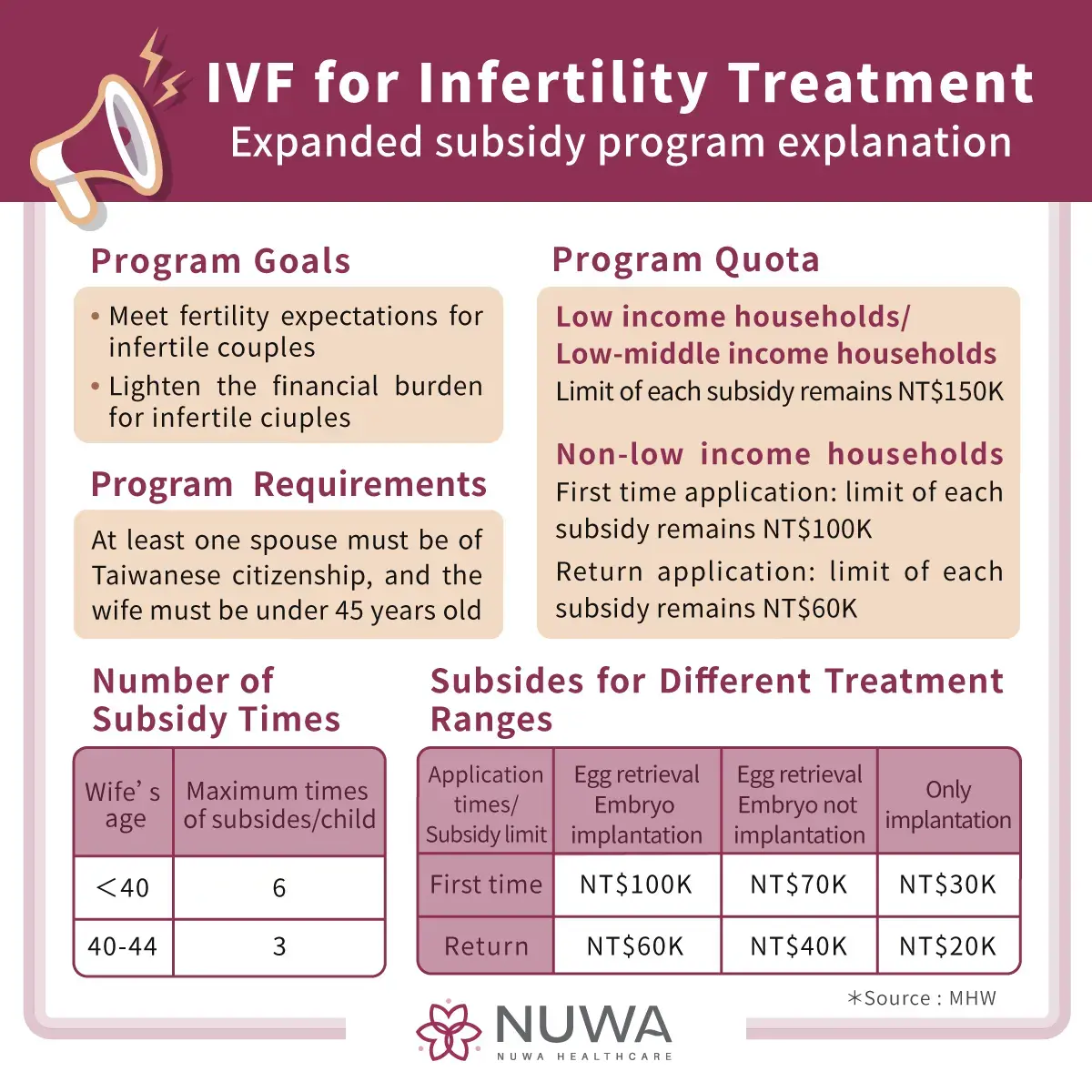
IVF Subsidy Amounts
General Applicants:- First IVF cycle: up to NT$100,000
- Second IVF cycle: up to NT$60,000
Low- and Lower-Middle-Income Households:- Up to NT$150,000 per cycle
Number of Subsidized Cycles
- Women under 39 years old (inclusive): up to 6 subsidized IVF cycles until a live birth
- Women aged 40–44: up to 3 subsidized IVF cycles
- After a successful IVF birth, the number of subsidies resets based on the woman’s age for future pregnancies
At NUWA Fertility Center, we are proud to be an approved artificial reproduction institution in Taiwan. Our team will guide you through the application process for IVF subsidies and help you make the most of available financial resources.👉 Extended reading: Learn more about the eligibility criteria, subsidy amounts, and the full process for the 2025 IVF subsidy program in Taiwan.The IVF Treatment Process at NUWA
Each IVF journey at NUWA Fertility Center is carefully guided by our medical professionals. Here's a general overview of the treatment steps:Step 1: Start Treatment
Book a consultation on the second to fourth day of the menstrual cycle and undergo relevant tests, such as blood tests and an ultrasound. According to the doctor's recommendation, ovulation medication will be used to stimulate the ovaries to produce more follicles.Step 2: Inducing Ovulation
According to your doctor's recommendation, you should continue to use ovulation medication for follicle development. You should also return to the clinic routinely to have your blood drawn and ultrasound exams done to track changes in blood hormone values and monitor follicle maturity to determine when the best time to retrieve your eggs is.Step 3: Egg and Sperm Retrieval
The doctor will determine the appropriate window of time for egg retrieval, and an injection will be given before egg retrieval according to your doctor.Step 4: Sperm Collection
- Egg Retrieval
- Abstain from sexual intercourse for 2 to 4 days before sperm collection
- Surgery is short and non-invasive, so there is no need for hospitalization
Step 5: Embryo Implantation
According to your doctor's recommendation, you can choose to implant fresh embryos or frozen embryos. The date of implantation will be adjusted according to the number of days of the embryo, the lining of the embryo, and the physical condition of the individual. The actual course of treatment should be thoroughly discussed with the doctor.Step 6: Follow-up Pregnancy Test
The blood test for pregnancy is the chorionic gonadotropin β-hCG value. Generally, a follow-up visit will be arranged about 14 days after implantation, so you can follow the doctor's schedule to return for the blood test.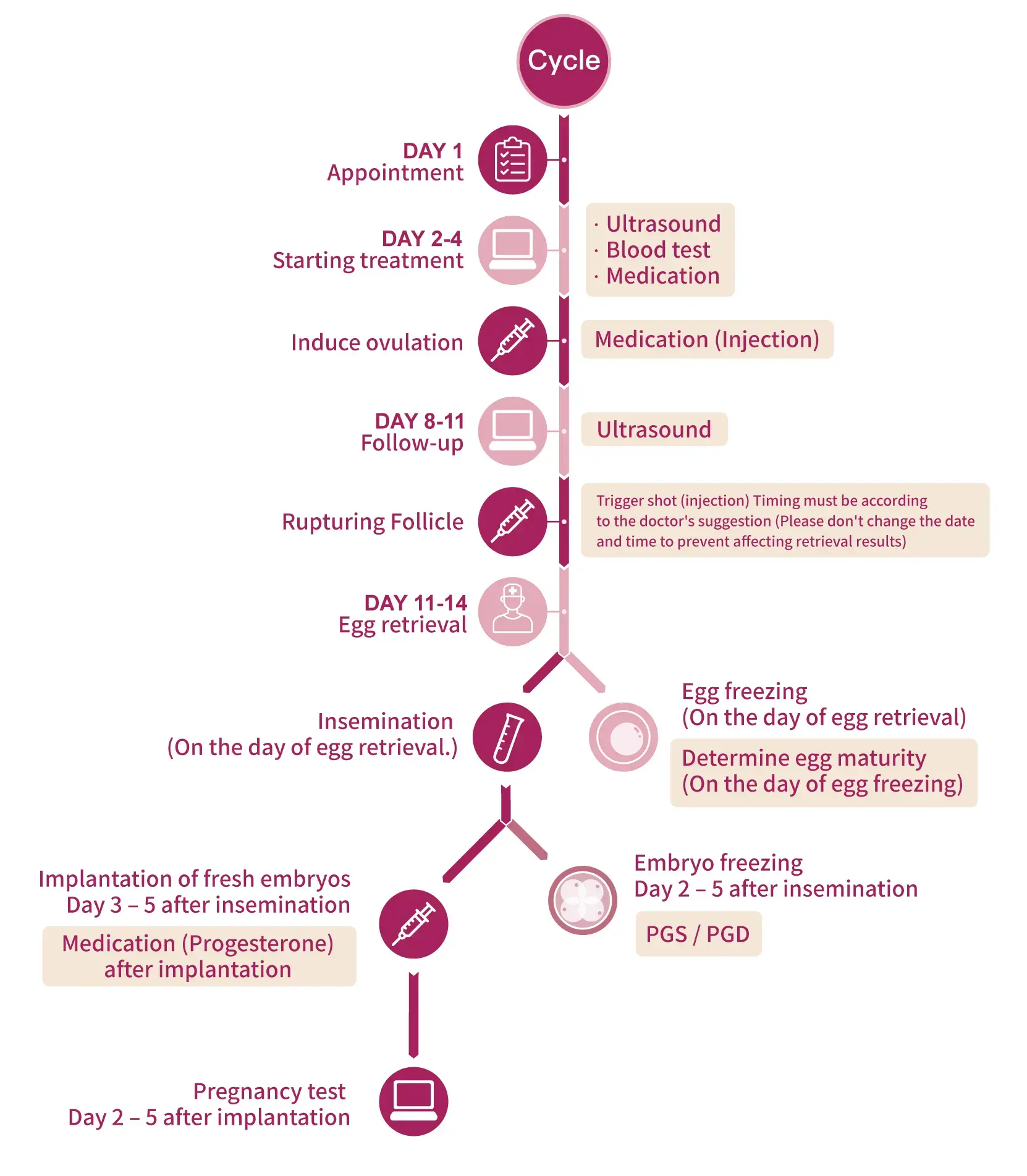
Are There Side Effects of IVF?
Are there any risks associated with IVF? Any side effects? Some women may experience discomfort from ovulation injection or overstimulation of the ovaries after egg retrieval. However, everyone reacts differently to hormone injections and may experience mild nausea, bloating, and edema. These side effects will subside within 1 to 2 weeks after stopping the medication.Ovarian Hyperstimulation Syndrome (OHSS) is a common complication that occurs after ovulation is induced. Depending on the severity, it can be mild, moderate, or severe, with symptoms such as abdominal bloating, abdominal pain, nausea, weight gain, and in severe cases, shortness of breath and even a decrease in urine output. Several things can be done to minimize the chances of OHSS, such as: lowering the dosage of gonadotropins or suspending their use for a few days to minimize the stimulation of the ovaries; freezing the embryos instead of implanting them fresh; and changing the egg-broken egg injections, etc. The doctor will observe and decide on the appropriate course of action, and it is recommended to respond immediately and seek professional help if any of these conditions arise to help reduce the risk of Ovarian Hyperstimulation Syndrome. The physician will observe and determine the appropriate course of action for any condition.FAQs
Q1: Can I choose the gender for IVF?
According to Article 16 (3) of The Artificial Reproduction Law of Taiwan, the sex of IVF embryos cannot be chosen unless the couple has genetic diseases, such as color blindness and hemophilia. The doctor will then use PGT-A genetic screening to discover the sex of the fetus, to reduce the chances of the fetus suffering from genetic diseases and additional risks.Q2: Is it better to have more embryos implanted during IVF treatments?
The Taiwan Society of Reproductive Medicine (TSRM) has published a "Guideline on the Number of Embryos to be Implanted." Generally speaking, the younger the mother, the higher the chance of success. Therefore, it is recommended that women younger than 35 years old have 1 or 2 embryos implanted; women between the ages of 35 and 37 are recommended to have 2 embryos implanted; women between the ages of 38 and 40 are recommended to have 3 embryos implanted; and women over the age of 41 can consider placing a "maximum" of 4 embryos.The number of embryos cannot avoid the problem of multiple births, which may cause premature labor and pregnancy complications. Therefore, the number of embryos to be implanted needs to take into account the age and physical condition of the mother, and it is recommended that you consult a professional doctor for a detailed discussion.Why Choose NUWA Fertility Center?
Do you have questions about IVF treatment but don't know where to go? If this has been on your mind, we recommend a visit to NUWA Fertility Center. Here are some of the things we do to help make prospective parents more comfortable to leave this important task to us!👍 Major Fertility Chain in TaiwanNUWA Healthcare has 3 high-quality IVF centers and 2 TCM centers in Taipei, Taoyuan, and Taichung, with a total of one hundred healthcare professionals providing comprehensive fertility treatments.👍 Expert Infertility TeamA crew of doctors with more than 10,000 successful in vitro fertilization procedures, including 15 reproductive medicine physicians, 5 Chinese medicine physicians, and 21 embryologists, stands as invaluable teammates for a successful pregnancy.👍 International-Grade Embryology LaboratoryWe have several advanced time-lapse Embryoscopes that use AI to accurately select embryos and create an environment suitable for embryo culture, and are committed to increasing pregnancy success rates!👍 Professional ServiceWe prioritize each person's experience in the clinic and provide expecting parents with a sincere and trusting consultation, as well as a comfortable and private clinic environment.👍 Traditional Chinese Medicine and Western Medicine IntegrationNUWA Healthcare includes the NUWA Fertility Center and the NUWA TCM Center, where traditional Chinese and Western physicians work together to help you achieve your fertility goals.If you have any questions about IVF, you are welcome to come to the clinic to consult with the doctors 👉 Make an appointment online👉 Extended reading: What is the definition of infertility? What are the basic tests?Contact Us for Your IVF Consultation
If you're considering IVF in Taiwan, NUWA Fertility Center is here to help. Contact us to schedule a consultation and take the first step toward building your family.Author's InformationNUWA Fertility CenterWith many infertility experts and more than 10,000 doctors with successful IVF experience, the company has 5 clinics, including 3 high-specification IVF reproduction centers, 2 TCM centers, and 3 international embryo laboratories, which are located in Taipei, Taoyuan, and Taichung.Main Services: Infertility treatment, IVF, artificial insemination, egg freezing, egg borrowing, and pregnancy preparation. In 2021, NUWA Healthcare will formally cooperate with Dianthus Medical Group to provide one-stop integrated services from preparation, pregnancy, labor, and postpartum care, which will bring the greatest convenience to the patients.👉Learn more about NUWA online2024.08.01
- Poor sperm quality

Fertility Resources
Egg Donation: Easier Than You Think!
Egg donation can provide a ray of hope for many couples trying to fulfill their dream of having a child. But what are the requirements for egg donation? What is the "Nutritional Benefit" they talk about? If you want to know more about egg donation, NUWA's here to explain so that you can understand the conditions, costs, procedures, and precautions of egg donation all at once!
What is Egg Donation? Why Do I Need an Egg Donor?
Some women may not be able to have children or get pregnant on their own after a long period due to age, illnesses, or unknown factors, and would therefore need a selfless act from a donor to realize their dreams of parenthood. Therefore, egg donation refers to the act of a woman, who needs help from a professional reproductive organization, to receive donor eggs from a donor. According to the Artificial Reproduction Law, donors can receive NT$99,000 in nutritional benefits.Egg Donation Conditions Explained
As long as a girl meets the following criteria, she can contact a qualified medical institution or fertility center for consultation. However, there are more requirements for the donor to be qualified to be able to donate by the regulations of each institution.- Must be at least 20 years old
- BMI between 18.5 and 24
- No smoking, drug abuse, or other bad habits
- No anemia, hereditary, or chronic diseases
- No long-term use of drugs
- Have never donated eggs, or the recipient couple has not had a live birth as a result of your donation and have no stored embryos awaiting implantation
5 Potential Risks of Egg Donation
Although egg donation is considered low-risk, a small number of donors may experience discomfort or side effects. It’s important to fully understand these potential risks before beginning the donation process. Below are the five possible conditions:1. Ovarian Hyperstimulation Syndrome (OHSS)Ovarian Hyperstimulation Syndrome (OHSS) occurs when the ovaries respond too strongly to fertility medications used for stimulation. Most cases are mild, with an incidence of about 1–5%. Increased vascular permeability can cause symptoms such as bloating, fluid retention, abdominal fluid buildup, and shortness of breath.Common mild symptoms include:- Abdominal bloating or pain
- Nausea/vomiting
- Dizziness
- Heart palpitations
- Difficulty urinating
- Weight gain
- Enlarged ovaries
Mild OHSS typically improves within 1–2 weeks with hydration, electrolyte replenishment, a high-protein diet, and avoiding strenuous activities. Only a small number of severe cases require hospitalization.2. Ovarian TorsionThis is extremely rare. It occurs when the ovaries become enlarged from stimulation medications, and vigorous exercise or sudden impact causes the ovary to twist. This can lead to sudden, severe abdominal pain and requires immediate medical attention.3. Anesthesia RisksEgg retrieval is performed under general sedation. Although rare, potential risks include allergic reactions to anesthesia, metabolic acidosis, pneumonia, pulmonary edema, arrhythmia, or low blood pressure.4. Surgical RisksPossible—but uncommon—surgical complications include infection, bleeding, injury to the gastrointestinal tract, urinary tract injury, abdominal hematoma, or nerve damage.5. Temporary Abdominal PainSome short-term abdominal discomfort may occur following this minimally invasive procedure. Symptoms generally resolve with rest.7 Steps of the Egg Donation Process
 STEP 1. Donation RegistrationFill in the registration form for egg donation at a qualified medical institution. At NUWA, you can fill out an "Egg Donation Inquiry Form" online and someone will contact you by phone.STEP 2. Health AssessmentGo to the hospital for health checkups, including ovarian function AMH test, HIV, syphilis, Hepatitis B, Hepatitis C, chromosomes, etc., and wait for the report of the checkups, which will take about seven to fourteen days.STEP 3. Matching ProcessWait one to three months for the Health Promotion Administration to confirm your identity. Once your identity has been verified, you will need to start recording and reporting your menstrual cycle and await notification of your treatment.STEP 4. Start TreatmentA customized schedule of ovulation injections will be planned for you, with follow-up visits and ultrasound observations of the uterus.STEP 5. Egg Retrieval SurgeryOn the day of surgery, you will need to fast for eight hours and undergo superficial general anesthesia. The egg retrieval surgery will take about fifteen to twenty minutes, and after waking up and resting for one to two hours to make sure that you are physically okay, you can leave the institution.STEP 6. Receive Nutritional BenefitYou can receive NT$99,000 in Nutritional Benefits on the same day.STEP 7. Post-operative trackingFollow up 3 days after egg retrieval to check for ovarian hyperstimulation and inform the recipient of her condition.
Understanding Risks & Precautions
Egg donation is a safe medical practice, but there are some risks. The injection of ovulation drugs may cause localized discomfort or allergies. If you choose a fertility agency that has not been inspected by the Health Promotion Administration and the Ministry of Health and Welfare for egg donation, it may lead to OHSS (Ovarian Hyperstimulation Syndrome) after the egg donation surgery. In addition, the following precautions should be taken before, during, and after egg donation:1. Fully inform the physician of your physical conditionIf you are taking Chinese medicine, Western medicine, or contraceptives, you should inform your doctor before entering the treatment program.2. Regular visits to the doctor and follow the doctor's instructionsYou have to cooperate with the doctor's instructions, return to the clinic at the appointed time, and take the medication and injections on time. You should not interrupt the medication on your own to avoid affecting the course of treatment and having to bear the cost of the loss.3. Fasting and water fasting before surgeryEgg donation surgery requires 8 hours of fasting and water fasting before the surgery. Since general anesthesia is used, it is recommended to have someone accompanying you on the day of the surgery to ensure your safety on the way home.4. Makeup-free on the day of surgeryOn the day of the egg donation surgery, you will need to be makeup-free and those who are nearsighted will need to wear eyeglasses, and any manicures and pedicures will also need to be removed.5. Sufficient rest after surgeryUntil your next menstrual period, it is important to stay hydrated and avoid strenuous exercise and sexual intercourse for your body to get enough rest.NUWA Fertility Center’s egg donor is equipped with a top medical team and medical equipment, which can minimize risks significantly, so the girls can rest assured.What Are Nutritional Benefits?
Egg donation is a legal donation. According to the Artificial Reproduction Law, as long as the egg donation is performed at a medical institution that has been evaluated and qualified by the Health Promotion Administration, the Ministry of Health and Welfare, and at the same time meets the conditions of egg donation, health examination, evaluation as regulated by the law, and completes the egg donation, the egg donor will be able to receive NT$99,000 in nutritional benefits on the day of the egg donation treatment.In addition, from the pre-treatment physical assessment to the subsequent egg retrieval surgery, the entire process is complimentary, including the registration and consultation fees.FAQs
Q1: Is there a limit to the number of times I can donate eggs?According to Taiwan regulations, a woman can only have one egg donation opportunity in Taiwan. When the recipient mom gives birth to a baby, the girl cannot donate again, and can only donate again if the recipient mom fails to give birth to a live baby.Q2: Will egg donation lead to early menopause?Egg donation will not cause early menopause. Normal women produce a certain number of eggs every month, but only 1 to 2 eggs are mature, while the rest will naturally shrink and be consumed. Egg donation is a method of using injections and medications to mature eggs that would otherwise be eliminated and consumed, and therefore will not cause early menopause.Q3: Do donor eggs cause period disruption?Since ovulation injections are hormonal drugs, some women may experience "early or late" menstrual cycles after egg retrieval, but these are temporary phenomena and will usually return to normal after 1 or 2 cycles.Q4: Does egg donation cause weight gain?Some women may experience a weight gain of 3 to 5 kilograms as a result of their diet and work routine. However, this is due to the effect of the hormonal medication in the ovulation injection, resulting in temporary edema, which will be restored after the treatment is completed and the medication has been metabolized.Q5: Would I accidentally donate eggs to a relative?Don't worry! There will be no cases of donation to relatives. Before the egg retrieval surgery, the information of the donor and the recipient couple will be sent to the Health Promotion Administration, and the Ministry of Health and Welfare to confirm that they are not related within the fourth degree of consanguinity before the beginning of the treatment.NUWA Fertility Center: Professional and Safe for Egg Donation
 If you would like to donate your love and eggs, you can go to NUWA Fertility Center. We have the following 4 features that make egg donation a safe choice for women.
- Provide specialized ovulation injection services to help donors reduce the psychological barrier of the injection.
- You can choose to be taken care of by a team of female fertility specialists throughout the entire process so that the donor can have a good egg donation experience.
- As an artificial reproduction organization approved by the Health Promotion Administration and the Ministry of Health and Welfare, the process of egg donation follows the Artificial Reproduction Act.
- We have a professional medical team and advanced equipment to ensure that the risk of egg donation is minimized for each donor.
NUWA Fertility Center has clinics in Taipei, Taoyuan, and Taichung, so donors can choose the clinic nearest to them. If you have any other questions about egg donation, please feel free to visit our clinic directly. 👉 Make an appointment online.Author's InformationNUWA Fertility CenterWith many infertility experts and more than 10,000 doctors with successful IVF experience, the company has 5 clinics, including 3 high-specification IVF reproduction centers, 2 TCM centers, and 3 international embryo laboratories, which are located in Taipei, Taoyuan, and Taichung.Main Services: Infertility treatment, IVF, artificial insemination, egg freezing, egg borrowing, and pregnancy preparation. In 2021, NUWA Healthcare will formally cooperate with Dianthus Medical Group to provide one-stop integrated services for preparation, pregnancy, labor, and postpartum care, which will bring the greatest convenience to the patients. 👉Learn more about NUWA Healthcare2024.08.01
- Must be at least 20 years old
Fertility Resources
Low AMH and IVF: Can You Still Get Pregnant?
What Is AMH and Why Is It Important?
AMH (anti-Mullerian hormone) is representative of your ovarian reserve. It reflects the quantity of eggs left in your body. This test is important to let us know how many eggs are left in your body and how urgent it is for you to freeze your eggs or become pregnant soon.
What Is Considered a Low AMH Level?
When your AMH reaches 0, it means you have no eggs left in your body and you have most likely reached menopause.
So if your AMH is around 1ng/ml, it is more urgent and you may have fewer eggs left in your body. You will need to begin considering your desire for future children and your family planning options.
Can You Do IVF with Low AMH?
Yes, with a low AMH you can still undergo IVF, but depending on your age and AMH level, the results will vary. Due to the lesser number of eggs able to be retrieved, patients may need to be prepared to undergo more than one IVF cycle before finding a good quality embryo viable for transfer.
IVF Success Rates with Low AMH
IVF success rates are influenced by both AMH levels and age, but age plays a particularly critical role.
- Younger patients (<35 years old):
Even with fewer eggs, egg quality is often better, which can still result in favorable IVF outcomes.
- Older patients (>35 years old):
Both egg quantity and quality tend to decline, making it more challenging to obtain viable embryos and achieve pregnancy.
It is important to emphasize that low AMH does not equal poor egg quality—egg quality is primarily determined by age.
How to Improve IVF Outcomes with Low AMH
Low AMH can be caused by several factors, including age, prior ovarian surgery, chemotherapy or radiotherapy, endometriosis, or unknown reasons.
Since women are born with a fixed number of eggs that gradually decline over time, treatment strategies focus on optimizing outcomes rather than increasing egg quantity.
In clinical practice, we may recommend:
- Individualized ovarian stimulation protocols
- Nutritional supplements, such as DHEA or CoQ10, to support egg quality
- Adjunct therapies, including Traditional Chinese Medicine (TCM), depending on patient condition
Each treatment plan should be personalized based on age, AMH level, and medical history.
When Should You See a Fertility Specialist?
You should consider consulting a fertility specialist if:
- You have been trying to conceive for
6 months (for patients aged >36)
12 months (for patients aged <36)
- You would like to evaluate your fertility proactively for future planning
- Low AMH (<1 ng/ml)
Early consultation allows for timely intervention and more reproductive options.
Real Case: IVF Success with Low AMH
Case 1: Successful Pregnancy with Low AMH at Age 38
Mrs.C was 38 years old before she finally decided she was ready to have kids. But by this time her AMH levels were 0.5 ng/ml. During her first stimulation cycle, only two eggs were retrieved and luckily both were fertilized and on Day 3 the embryos were transferred. Fortunately, one embryo had implanted successfully and she was able to give birth to a beautiful baby girl later that year.
Case 2: IVF Breakthrough After Multiple Failures and Extremely Low AMH
Mrs.N was 40 years old when she first came to our clinic, her AMH was 0.013 ng/ml and she had already gone through EIGHT IVF cycles. She was able to transfer twice but unfortunately one had no implantation and one miscarried during the early weeks of pregnancy. She did not want to give up her chance of becoming a mother, but when she first came she practically had no egg follicles visible.
After a year of careful follow-up with minimal stimulation medication and traditional Chinese medicine, there were no eggs able to be retrieved and she decided to finally apply for donor eggs. Perhaps she was under less stress knowing her donor eggs option or the new acupuncture she did at TCM was taking effect, but she suddenly began having 1-2 follicles appear during her new menstrual cycles.
In three IVF cycles, we were able to retrieve 1-3 eggs each time and create a total of 6 embryos available for transfer! After her first transfer, she gave birth to a beautiful baby girl.
Frequently Asked Questions About Low AMH and IVF
Q:Can you get pregnant naturally with low AMH?
Yes, you can still become pregnant naturally with a low AMH but it may be more difficult depending on your age and further evaluation would be recommended.
Q:Is low AMH a sign of early menopause?
A low AMH does not mean you are already menopausal, but does indicate that you might reach menopause before the usual average age of 50 years old.
Q:Does low AMH mean poor egg quality?
No, AMH is representative of the quantity of eggs left in your body. Egg quality depends on your age.
Q:Should I freeze eggs if I have low AMH?
If you have a low AMH and depending on your age, you may need to discuss with your fertility specialist about your future family planning before deciding whether or not egg freezing is necessary.
Low AMH Does Not Mean No Chance
A low AMH level can feel discouraging, but it does not mean that pregnancy is impossible. With timely evaluation, personalized IVF strategies, and appropriate medical support, many patients are still able to achieve successful outcomes.
If you are concerned about your AMH level, seeking professional guidance early can make a meaningful difference in your fertility journey.
Author
NUWA Fertility Center
Specialty Areas:Infertility ,Egg freezing/Embryo Freezing/Sperm Freezing, IVF, IUI, Hysteroscopy, Ovarian Failure, Polycystic Ovary Syndrome (PCOS), Endometriosis, Recurrent Miscarriage.
2026.05.06
One-On-One Service
Personalized service

How to Apply for A Medical Visa
Entry Permit Application