





Resources
- Home
- Resources
- Fertility Resources
- Recurrent Implantation Failure (RIF): Causes & Treatment
Recurrent Implantation Failure (RIF): Causes & Treatment
Share
Recurrent implantation failure (RIF) is a condition where high-quality embryos repeatedly fail to implant after IVF. It is most commonly associated with embryo chromosomal abnormalities, a displaced implantation window, uterine abnormalities, or impaired blood flow. With appropriate evaluation—such as PGT-A, ERA, and uterine assessment—many patients can still achieve a successful pregnancy.
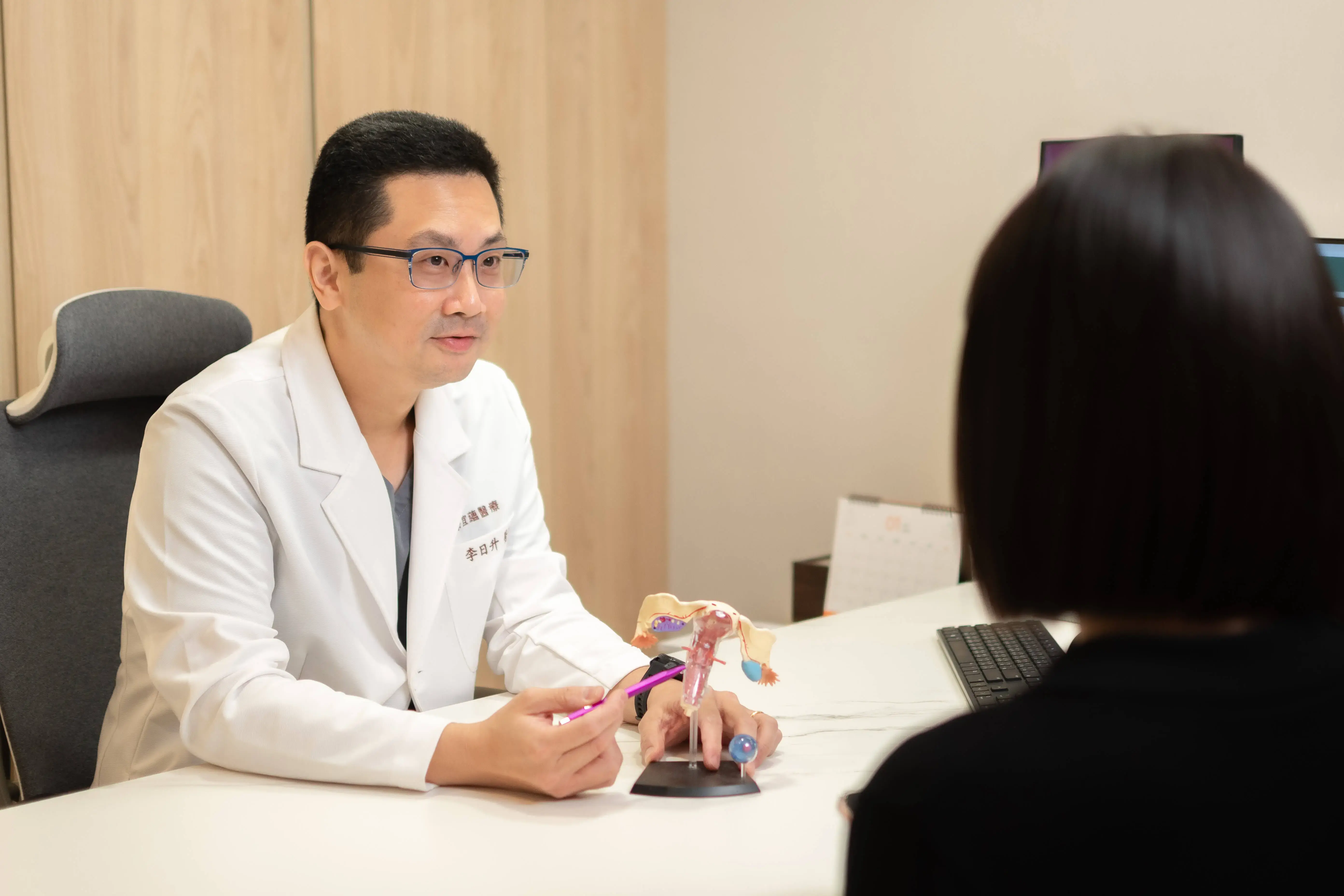
For many couples undergoing IVF, one of the most heartbreaking moments is transferring a high-quality embryo that does not result in pregnancy. When this happens repeatedly, it may indicate Recurrent Implantation Failure (RIF). While emotionally challenging, RIF also provides an important opportunity to step back, identify underlying issues, and improve the strategy for future success.
What is Recurrent Implantation Failure (RIF)?
Recurrent implantation failure is typically defined as the failure to achieve a clinical pregnancy after transferring at least three good-quality embryos across multiple IVF cycles. In real-world clinical practice, many specialists may begin evaluation earlier—after two failed transfers—especially in women over age 35 or those with low ovarian reserve.
Rather than continuing repeated embryo transfers, RIF should prompt a structured and comprehensive evaluation of both embryo quality and uterine receptivity.
There are usually no physical symptoms. Most patients only discover implantation failure after a negative pregnancy test, which is why the experience often feels sudden and unexpected.
What Causes Recurrent Implantation Failure?
The causes of recurrent implantation failure can be broadly grouped into three major categories:
1. Embryo Quality (Chromosomal Health)
Even embryos that appear high-quality under the microscope may carry chromosomal abnormalities. This remains the leading cause of implantation failure.
2. Uterine Receptivity (Implantation Window)
- Displaced implantation window (timing mismatch between embryo and endometrium)
- Structural abnormalities such as polyps, fibroids, or uterine septum
- Chronic endometrial inflammation or infection
3. Blood Flow and Immunological Factors
- Micro-thrombosis affecting uterine blood supply
- Reduced oxygen and nutrient delivery to the embryo
How is Recurrent Implantation Failure Diagnosed?
A comprehensive RIF workup typically includes:
- Uterine cavity evaluation: using hysteroscopy, ultrasound, or HSG to identify structural abnormalities
- Preimplantation Genetic Testing (PGT-A): to select chromosomally normal (euploid) embryos
- Endometrial Receptivity Analysis (ERA): to determine a personalized implantation window
- Blood tests: including D-dimer and thrombophilia screening to assess clotting risk
👉 Extended reading:
Effective Treatment Options for Recurrent Implantation Failure
There is no one-size-fits-all solution. Treatment should follow a precision medicine approach based on individual findings:
- Perfect Timing (pET): adjusting embryo transfer timing according to ERA results (e.g., 144 hours of progesterone exposure)
- Better Selection: prioritizing PGT-A tested embryos with normal chromosomes
- Blood Flow Support: using anticoagulant therapy when clotting tendencies are identified
Lifestyle Tips to Improve Implantation
While medicine does the heavy lifting, a healthy lifestyle supports your success:
- Healthy Food: Eat plenty of fruits, vegetables, and healthy fats (like the Mediterranean diet).
- Move Your Body: You can still do light exercise after the transfer! Walking or doing the activities you usually do is perfectly fine, just keep the intensity a little lower than usual. This helps keep blood flowing to your pelvic area.
- Avoid Bad Habits: No smoking or alcohol, as these can hurt your chances of pregnancy.
- Stress Less: Try to find ways to relax, as high stress can affect your hormones.
FAQ About Recurrent Implantation Failure
Q1. When should I seek evaluation for recurrent implantation failure?
After 2–3 failed embryo transfers, especially if you are over 35 years old or have low AMH.
Q2. Is it always the embryo's fault?
Not always. While unhealthy embryos are a big cause (around 70%), the "timing" of the uterus or a physical abnormality or a "blood clot" issue might also happen in the same transfer.
Q3. Do my habits really matter?
Yes, they help create a good environment. But if you have a medical issue like a "timing shift," you will still need a doctor’s help to fix it.
Q4. What should we do after failing many times?
Stop and test again. Do not just keep trying the same thing. Ask for ERA or blood clot tests to find a new path forward.
Q5. Can I still get pregnant after failing?
Yes! Many patients who failed many times before finally "graduate" with a baby once we fix their specific problem, like their timing or blood flow.
Real Case: Successful Pregnancy After Recurrent Implantation Failure (RIF)
A 33-year-old lady had her baby girl born after three IVF cycles. Her first two transfers, both using one good-quality embryo, failed to result in pregnancy. Even though she had only failed twice, she underwent ERA and D-dimer test in case of her low ovarian reserve.
Her ERA showed an early window for embryo implantation and slightly higher D-dimer indicated micro-embolism within blood circulation.
After adjusting the timing of transfer along with the anti-embolism treatment, the lady had a successful pregnancy in the third IVF cycle, and a healthy baby girl was born afterward.
Not all cases of recurrent implantation failure share the same cause. However, with a thorough evaluation and a personalized treatment plan, many patients are ultimately able to achieve a successful pregnancy.
Considering IVF Abroad?
For patients experiencing recurrent implantation failure, having access to advanced diagnostic tools and individualized IVF protocols can significantly impact outcomes. In some cases, patients may consider seeking care in specialized fertility centers that offer more comprehensive RIF evaluations and treatment options.
Taiwan has become a well-recognized destination for fertility treatment, with experienced specialists and advanced technologies such as PGT-A, ERA, and personalized embryo transfer. These approaches, combined with a patient-centered treatment strategy, can help improve implantation success rates while maintaining cost-effectiveness.
Author
NUWA Fertility Center
Specialties: IVF, infertility, egg freezing, recurrent miscarriage, RIF