





Resources
- Home
- Resources
- Fertility Resources
- Worried About IVF Side Effects and Risks? Doctors Explain and Debunk Common Myths
Worried About IVF Side Effects and Risks? Doctors Explain and Debunk Common Myths
Share
With advances in reproductive medicine, in vitro fertilization (IVF) has become a crucial option for many couples struggling with infertility to realize their dream of having a child. But what are the risks and side effects of IVF? Some couples hesitate to seek reproductive assistance due to concerns about potential complications or whether their child may experience long-term effects. NUWA Fertility Center aims to provide accurate information on common IVF risks and side effects, helping you make informed decisions and proceed with confidence.

5 Common Risks and Side Effects of IVF Treatment
Like any medical treatment, IVF carries certain risks and potential side effects. Understanding the causes and likelihood of these issues can help reduce unnecessary fear. Here are five possible risks during IVF treatment:
1. Side Effects from Ovulation Medications
During IVF, patients are often given injectable or oral medications to stimulate ovulation and promote the growth of multiple follicles. These medications may raise estrogen levels, sometimes exceeding natural cycle levels. This can lead to mild side effects such as bloating, water retention, mood swings, or abdominal discomfort. However, symptoms vary among individuals, and not everyone will experience them.
2. Ovarian Hyperstimulation Syndrome (OHSS)
OHSS occurs in approximately 1–5% of cases, more commonly in younger, slimmer women, those with polycystic ovary syndrome, or patients with more than 14–20 developing follicles. Symptoms can include abdominal bloating, enlarged ovaries, shortness of breath, rapid weight gain, decreased urine output, and fluid accumulation in the chest or abdomen. Most cases are mild and typically resolve within a few days after the procedure. During treatment, it is recommended to stay well-hydrated, maintain a high-protein diet, and closely monitor your body’s responses.
3. Ovarian Torsion
Ovarian torsion is rare and usually occurs when the ovaries temporarily enlarge due to stimulation. High-impact activities like vigorous jumping, running, or direct abdominal trauma during this period could cause the ovary to twist, resulting in sudden severe abdominal pain. Although uncommon, doctors usually advise avoiding high-intensity exercise during stimulation, favoring gentle activities such as walking or stretching.
If sudden, persistent, and severe abdominal pain occurs, seek immediate medical attention.
4. Ectopic Pregnancy
An ectopic pregnancy occurs when a fertilized embryo implants outside the uterus, such as in the fallopian tube, ovary, or abdominal cavity. While IVF or artificial insemination can result in ectopic pregnancies, these treatments do not increase the overall risk compared to natural conception. Causes may include blocked fallopian tubes, pelvic inflammation, or adhesions from previous abdominal surgeries. Since many women undergoing IVF may have these underlying conditions, they are considered at higher risk for ectopic pregnancies. Early diagnosis and treatment are crucial. Reproductive specialists monitor embryo implantation through regular ultrasounds to ensure proper intrauterine placement and safe development.
5. Multiple Pregnancy Risk
Some parents choose to transfer multiple embryos to increase implantation chances, which raises the risk of multiple pregnancies. Multiple pregnancies carry higher risks of complications, including preterm birth, low birth weight, and increased fetal mortality.
According to the American Society for Reproductive Medicine, single embryo transfer is recommended for women under 35 or those with multiple viable embryos. In Taiwan, government IVF subsidy programs limit embryo transfer to one per cycle for women under 35 and two per cycle for women aged 36–44.
Do IVF Babies Have Long-Term Effects?
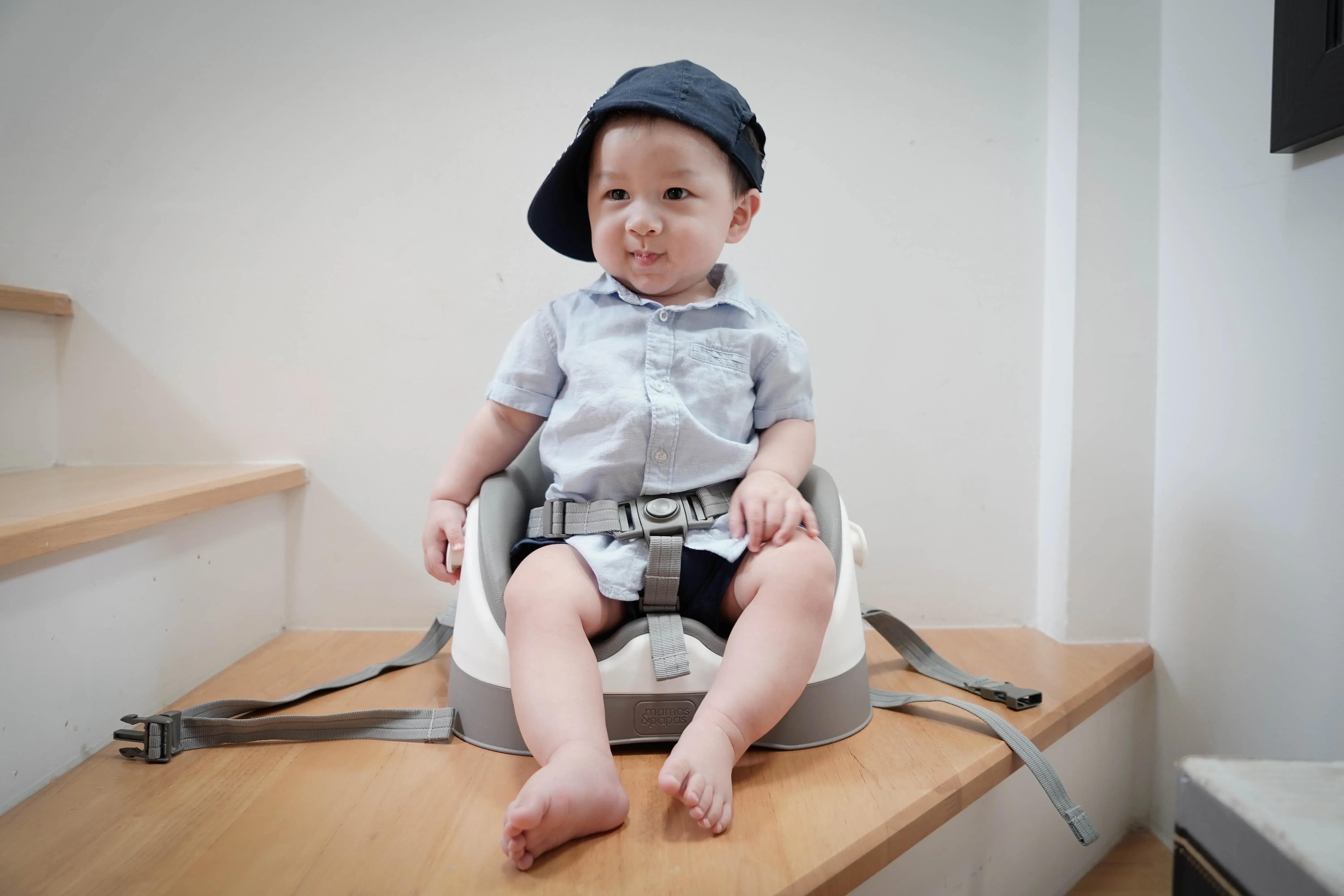
What about children born through IVF? Will they experience long-term consequences? Since the first IVF baby was born in 1978, the technique has been used worldwide for over 40 years, with reproductive medicine now highly advanced. Research shows that the rate of congenital abnormalities in IVF children is not higher than in naturally conceived children.
A study from Oxford University in the UK compared the academic performance of IVF and naturally conceived children and found that by age 11, IVF children performed equally well in language and math. Other studies, including publications in the European Society of Human Reproduction and Embryology (ESHRE) journal Human Reproduction, confirm that IVF children show no significant differences in cognition, behavior, or psychological health compared to naturally conceived peers.
Reducing IVF Risks: Prenatal Testing Is Essential
Women concerned about pregnancy risks, especially due to advanced maternal age, are often advised to consider preimplantation genetic screening (PGS, formally PGT-A) to check embryos for chromosomal abnormalities before implantation. This helps increase pregnancy success rates and reduce miscarriage risk, particularly for those with recurrent pregnancy loss or a family history of chromosomal disorders.
For couples with known genetic conditions, preimplantation genetic diagnosis (PGD, formally PGT-M) allows screening for single-gene disorders such as hemophilia or thalassemia, reducing the likelihood of passing on inherited conditions. Recommended tests during IVF may include:
| Timing | Examinations |
| Before Embryo Transfer |
|
| After Confirmed Pregnancy |
|
These screenings help ensure the baby’s health, reduce hereditary risks, and allow parents to prepare confidently for a new life.
✅Further Reading:
Recommended IVF Clinics: Professional, Low-Risk, and Reliable
Selecting a reputable medical institution is critical to minimizing IVF risks and side effects. NUWA Fertility Center offers extensive IVF experience and is trusted by patients worldwide, including from Hong Kong, Macau, the USA, Japan, and the Philippines. Key advantages include:
Personalized Treatment Plans
NUWA Fertility Center integrates Western and traditional Chinese medicine to provide comprehensive, individualized care for conditions such as premature ovarian failure, polycystic ovary syndrome, advanced maternal age, and recurrent miscarriage.
Safe and Legally Compliant Facility
NUWA Fertility Center is approved by the Taiwanese Ministry of Health and Welfare and operates according to the Artificial Reproduction Act, with a strong team of reproductive specialists ensuring optimal pregnancy outcomes.
Advanced Embryology Lab
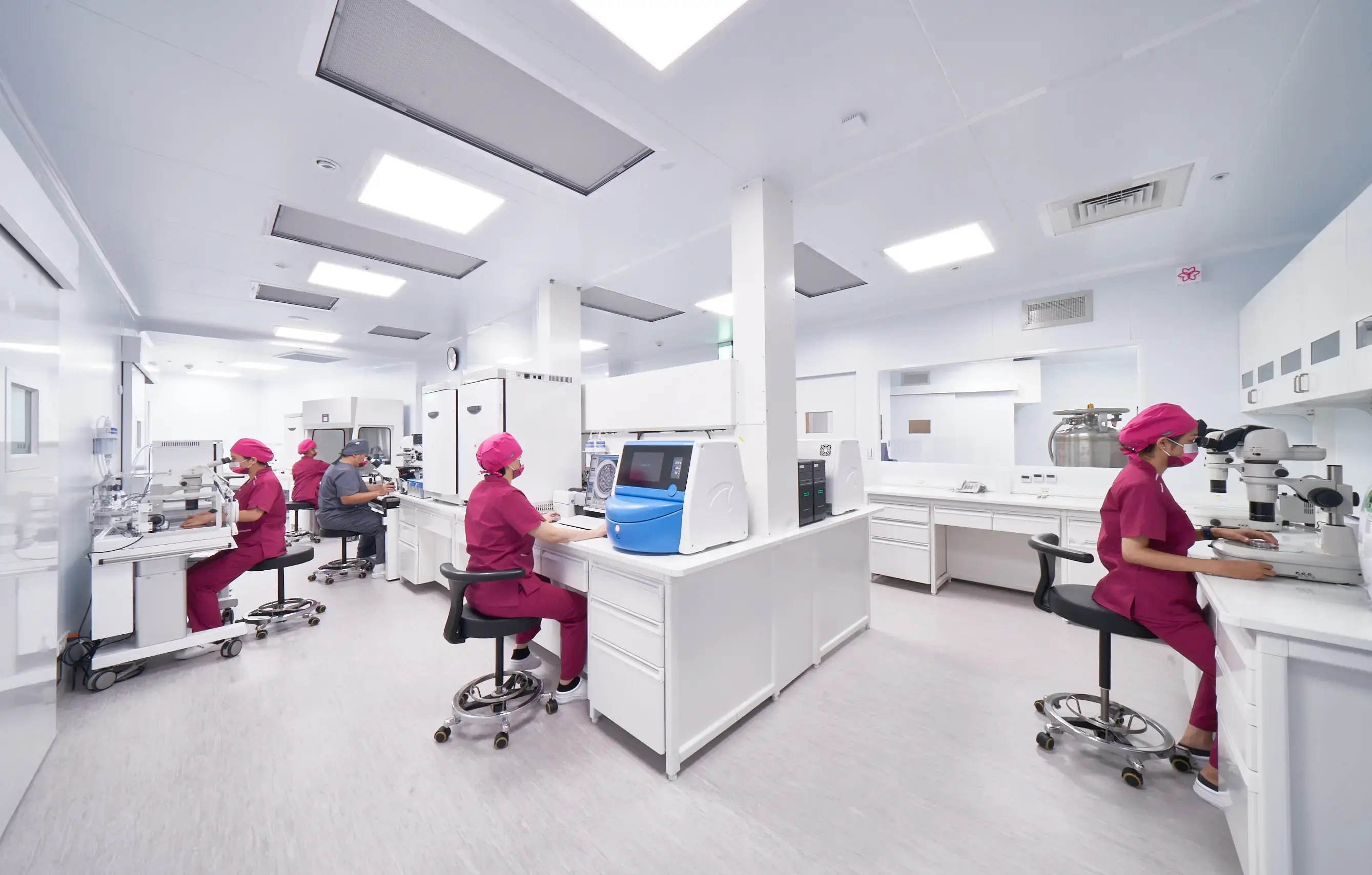
The embryology lab is a key factor in IVF success. NUWA Fertility Center employs experienced embryologists and uses eight AI time-lapse incubators to ensure each embryo receives precise care, supporting higher implantation and pregnancy rates.
✅Further Reading:
Case Study: Integrated Western and Chinese Medicine Approach
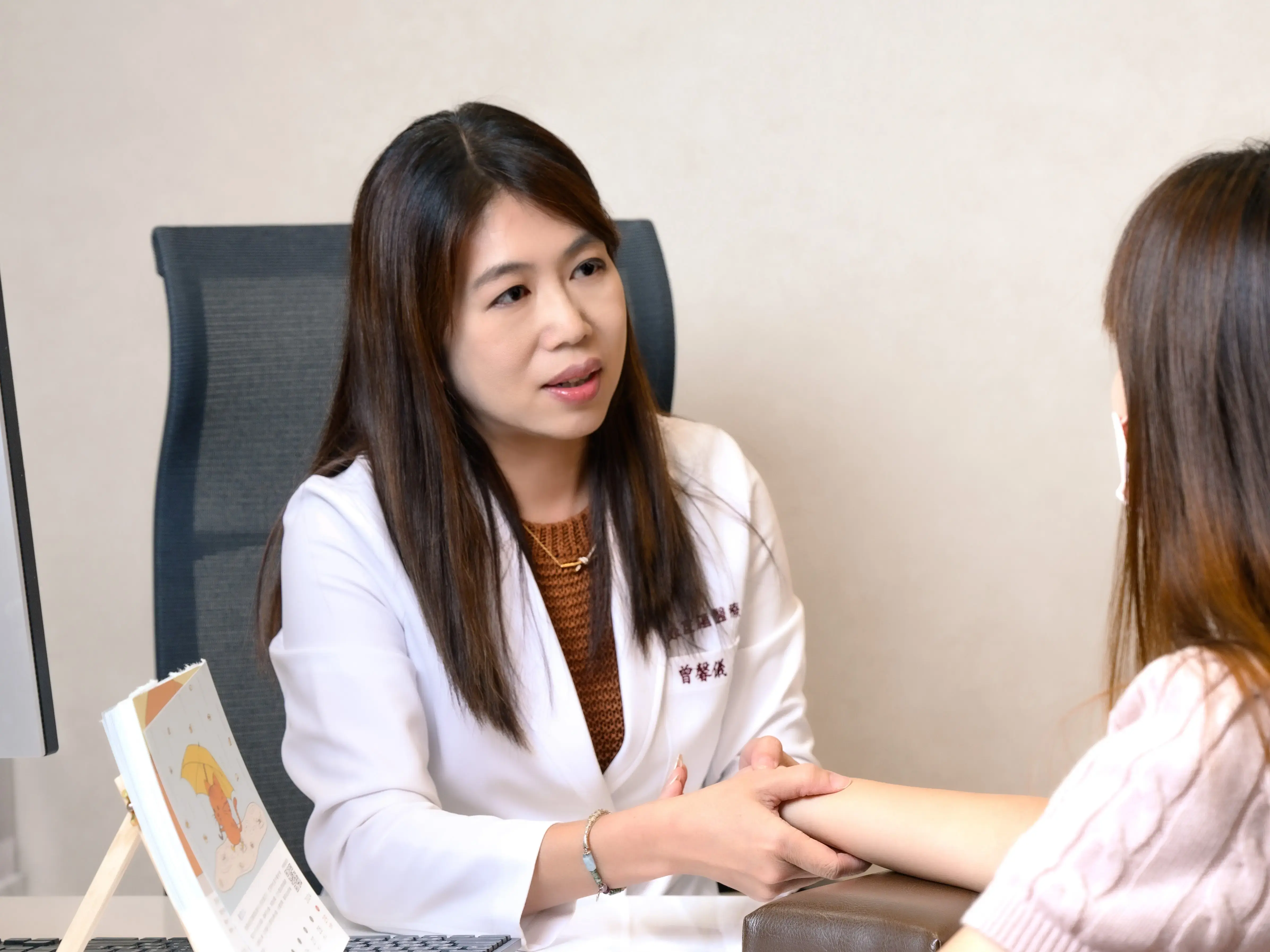
A 43-year-old patient, Ms. Jia-Zhen, experienced long-term menstrual irregularities and premature ovarian failure. Previous visits to other reproductive and Chinese medicine clinics yielded no success. She chose NUWA Fertility Center for a combined Western and Chinese medicine approach. Under the care of Dr. Huang Pei-Zhen (reproductive specialist) and Dr. Zeng Xin-Yi (Chinese medicine), including acupuncture and herbal therapy, her IVF treatment succeeded on the first attempt.
Whether you are a young couple preparing for pregnancy or older parents facing repeated challenges, NUWA Fertility Center offers professional guidance. Learn more about IVF treatment on our dedicated page 👉 [IVF Treatment Overview].
Author Information
NUWA Fertility Center – Reproductive Specialist Clinic
NUWA Fertility Center brings together leading infertility experts and an experienced IVF clinical team. With three high-standard reproductive centers, two Chinese medicine clinics, and three international-level embryology labs across Taipei, Taoyuan, and Taichung, we provide comprehensive reproductive services, supporting every family on their journey to parenthood.
Main Services: Infertility treatment, IVF, artificial insemination, egg freezing, egg donation, and reproductive consultations.
NUWA Fertility Center combines professional expertise with compassionate care to help every family achieve their dream of parenthood.