




Reproductive Services
- Home
- Reproductive Services
- Infertility Examination
- Semen Examination
Semen Examination
Share
Why Is Semen Examination Important for Fertility?
For couples planning pregnancy, semen examination is one of the most important fertility tests. Male fertility plays a significant role in conception, and studies show that male factors contribute to around 40% of infertility cases.
A semen test helps evaluate the quality and quantity of sperm, allowing doctors to identify potential issues early and recommend appropriate treatment options before attempting natural conception, intrauterine insemination (IUI), or in vitro fertilization (IVF).
Common Causes of Male Infertility
Male infertility may result from several conditions affecting sperm production, function, or transport.
Semen Abnormalities
This includes:
- Low sperm count
- Poor sperm motility
- Abnormal sperm morphology
These conditions can reduce the likelihood of successful fertilization.
Sperm Production Disorders
Conditions such as varicocele (enlarged veins in the scrotum) may affect sperm production and quality.
Sperm Transport Problems
Blockages in the vas deferens or reproductive tract may prevent sperm from being ejaculated normally.
Sexual Dysfunction
Issues such as erectile dysfunction or ejaculation disorders may interfere with conception.
Unexplained Factors
In some cases, additional diagnostic tests may be required to determine the cause.
Important Note:
After age 40, sperm quality may decline and the risk of genetic abnormalities may increase, making fertility evaluation even more important.
Azoospermia: A Condition Detected by Semen Examination
One possible finding during semen analysis is azoospermia, a condition where no sperm are present in the semen.
There are two main types:
Obstructive Azoospermia
Sperm production is normal, but a blockage in the reproductive tract prevents sperm from being released. This may occur due to congenital absence of the vas deferens or previous vasectomy.
Non-Obstructive Azoospermia
The testicles produce very few or no sperm due to hormonal imbalance, genetic factors, or developmental abnormalities.
Can Patients with Azoospermia Still Have Children?
Yes. Modern reproductive technologies may help patients achieve pregnancy through procedures such as:
- TESE (Testicular Sperm Extraction)
- MESA (Microsurgical Epididymal Sperm Aspiration)
The retrieved sperm can then be used for IVF treatment. If sperm retrieval is not possible, donor sperm may be another option.
Advanced Semen Analysis with CASA Technology
NUWA Fertility Center uses Computer Assisted Semen Analysis (CASA) to provide precise evaluation of sperm quality.
The examination mainly measures three key indicators:
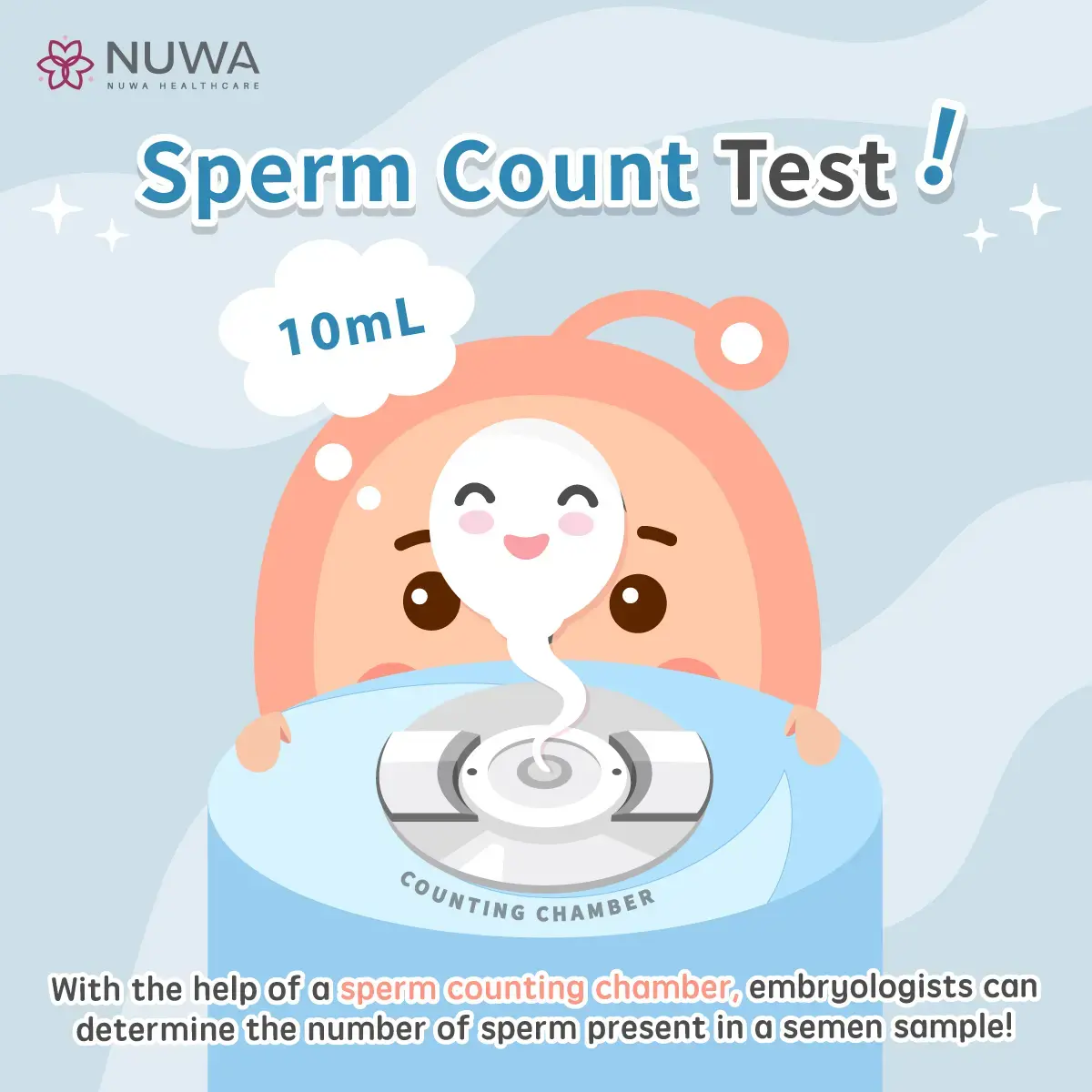
Sperm Count
Measures the total number of sperm present in the semen.
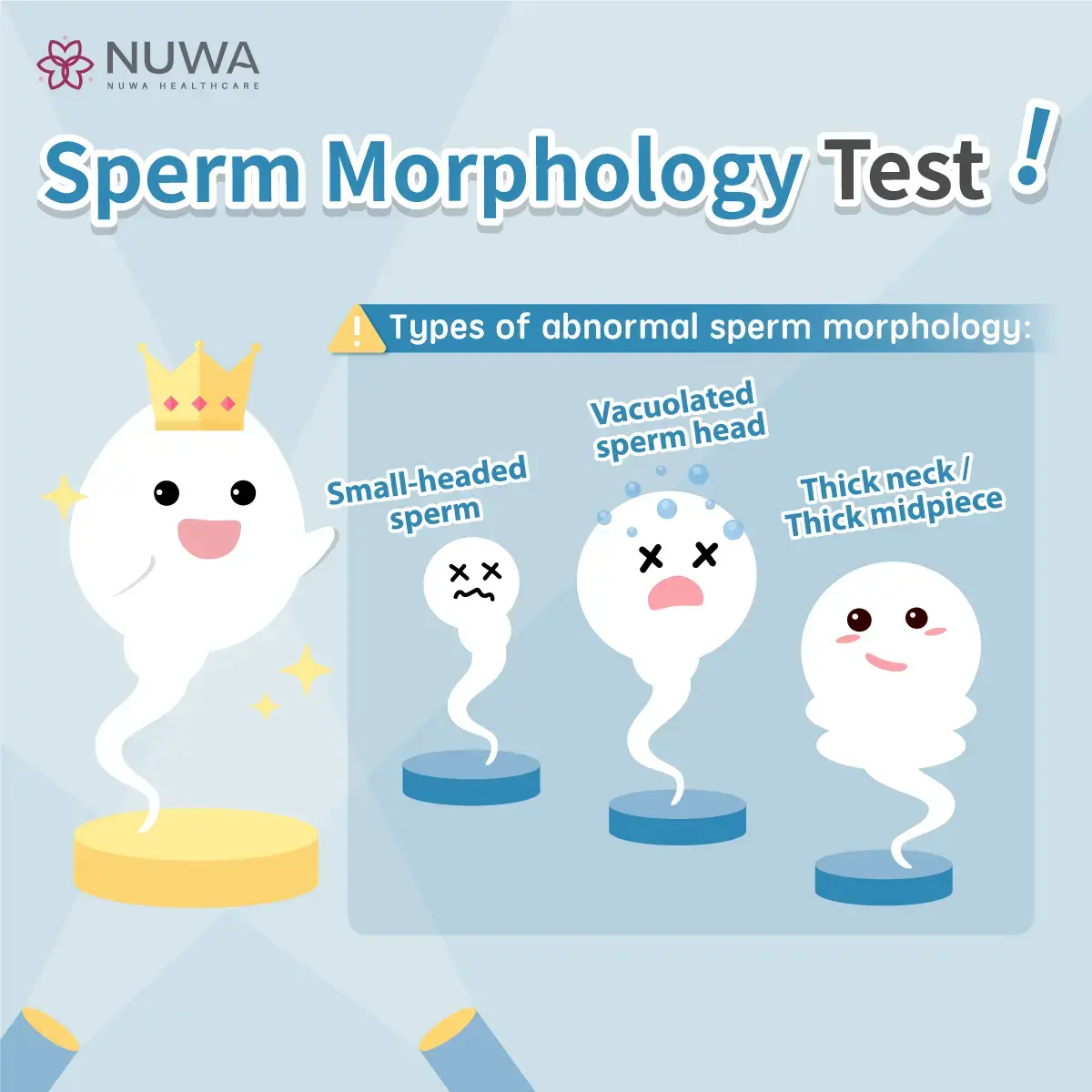
Sperm Morphology
Evaluates the shape and structure of sperm, which affects the ability to fertilize an egg.
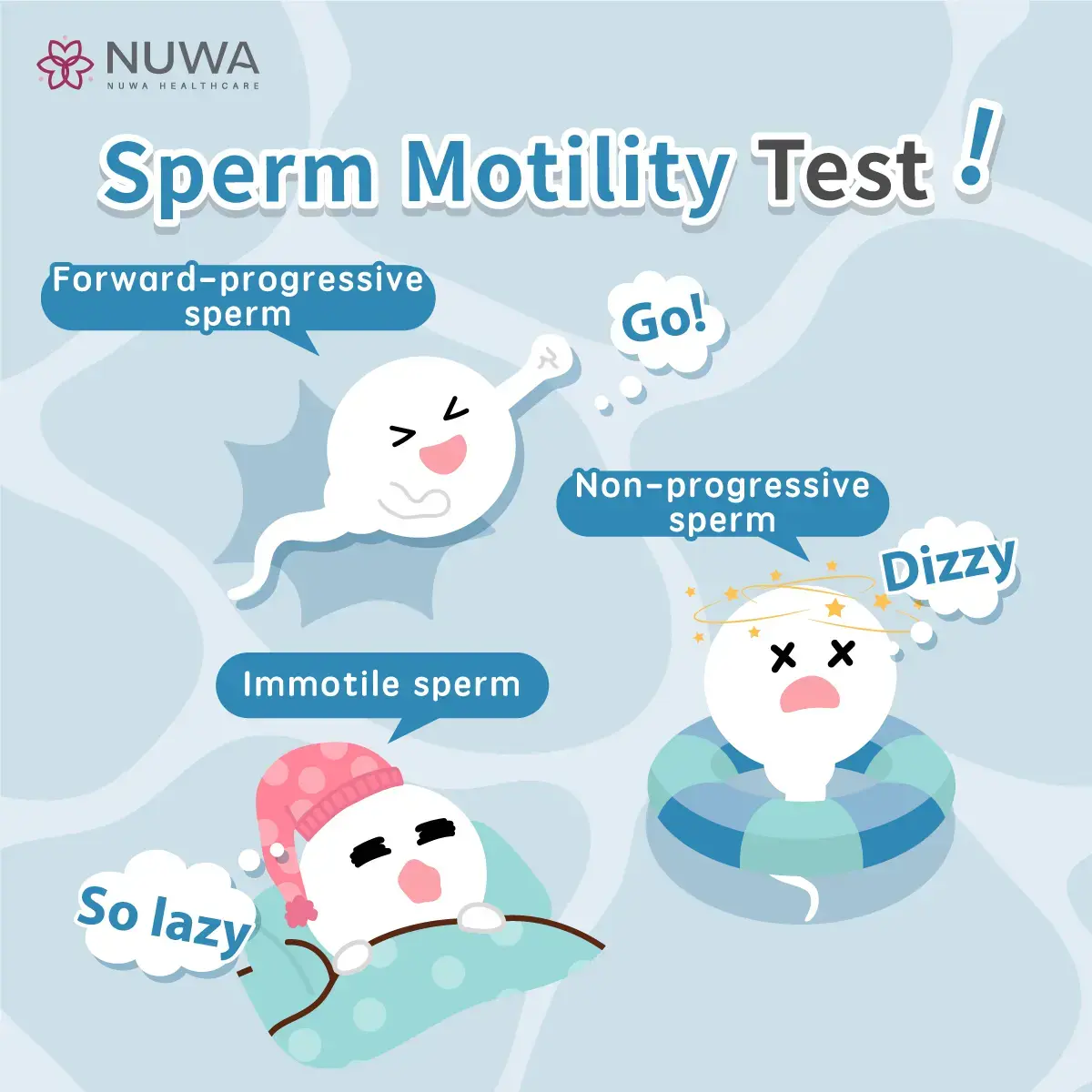
Sperm Motility
Assesses how well sperm move, which is essential for reaching and fertilizing the egg.
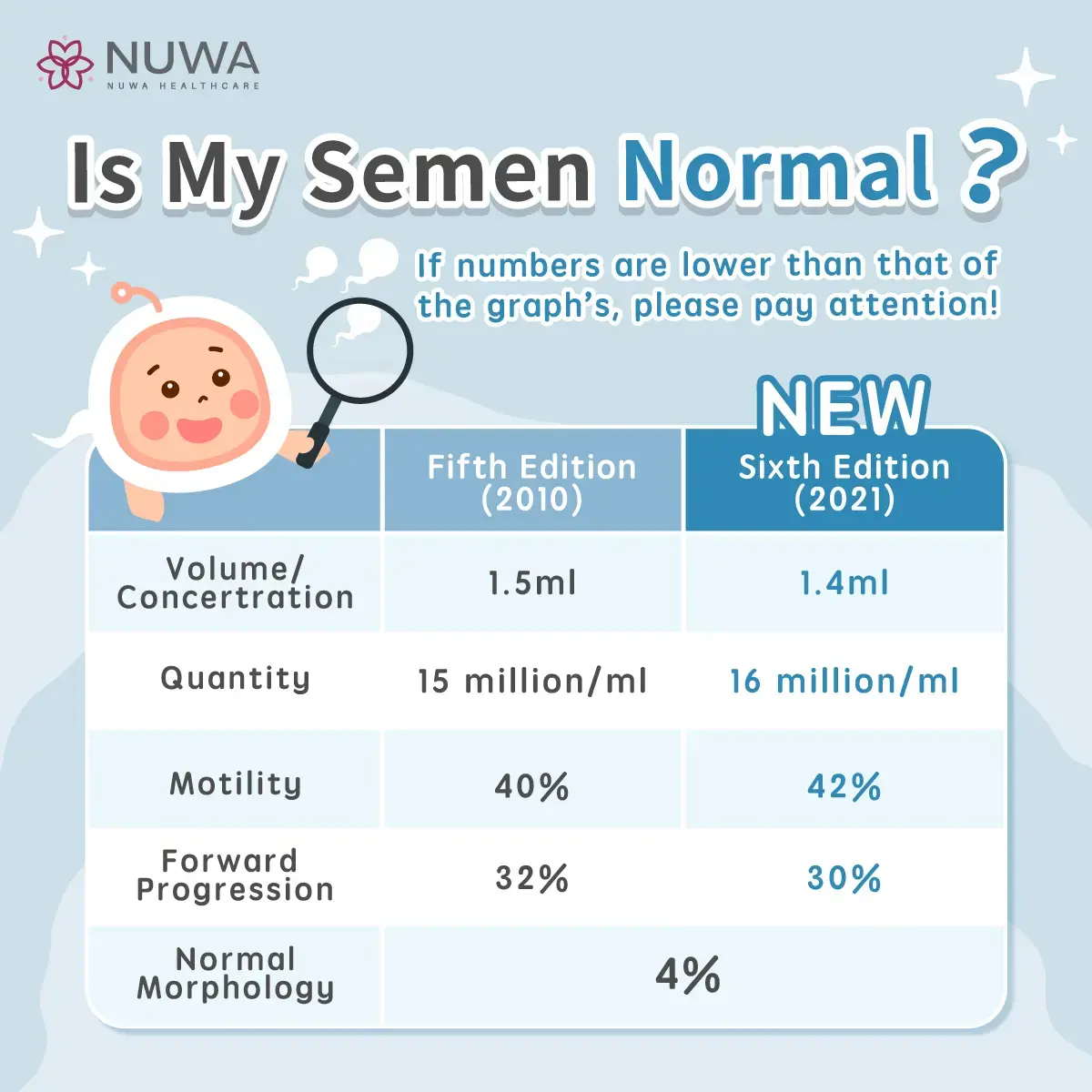
Abnormal results in any of these parameters may affect fertility. However, a single abnormal value does not necessarily mean natural conception is impossible. A comprehensive evaluation by a fertility specialist is essential.
Reference values for semen analysis follow the World Health Organization (WHO) 2021 guidelines (6th edition).
Preparation for Semen Examination
To ensure accurate results, patients should follow these guidelines:
- Abstain from ejaculation for 2–4 days before the test
- Avoid alcohol and smoking for at least one month prior if possible
- Inform the doctor about any medications being taken
- Do not collect semen using condoms, as spermicides may affect sperm quality
- Wash and dry hands before sample collection (avoid soap or lubricant)
Where to Collect the Semen Sample
NUWA Fertility Center provides a private sperm collection room to ensure a comfortable and confidential environment.
For convenience, semen collection can also be performed at home. However:
- The sample must be delivered to the laboratory within 2 hours
- It should be kept at room temperature
- Use only the sterile container provided by the clinic
Examination Hours
Monday – Saturday
08:00 – 11:30
Monday – Friday
13:30 – 15:00
When Should Men Consider a Semen Examination?
Men should consider a semen test if they:
- Are planning to conceive with their partner
- Have been trying to conceive for 6–12 months without success
- Have a history of varicocele or reproductive disorders
- Are undergoing fertility treatment such as IUI or IVF
Early semen testing helps identify fertility problems and allows couples to receive timely medical advice and personalized fertility treatment.
Related Articles
NUWA's Sperm Extraction Room